
Toxic Relationships: Knowing When to Cut Ties

The journey of navigating toxic family relationships is often filled with pain, confusion, and difficult decisions. In my own experiences with my mother and father, I have learned the importance of recognizing when it is necessary to cut ties with toxic family members. While it is a complex and deeply personal process, I have found a sense of understanding that reconciliation can happen at the right time, when toxicity fades away. In this article, I will share my insights and experiences, highlighting the significance of setting boundaries, using DBT skills, and finding the balance between holding on to past pain and striving for personal growth.
- Cutting Ties: A Necessary Decision:

When faced with toxicity within familial relationships, it is crucial to acknowledge the toll it takes on our well-being. In my journey, I had to make the difficult decision to cut ties with both my mother and father. While reconciling with my father proved to be the right choice at the right time, my relationship with my mother continues to undergo its own transformation. Recognizing that toxicity may never completely fade, I have learned that giving a second chance can be a gift, third chances?Not at the expense of my own mental health.
- When Cutting Ties Begins To Hurt/Emotional Conflict:

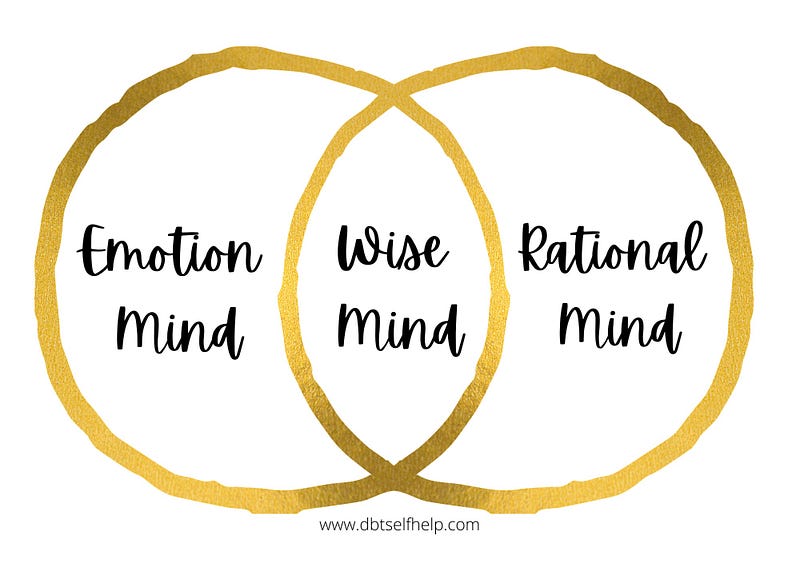
The decision to cut ties or reconcile with toxic family members can be emotionally challenging. I have often found myself grappling with conflicting emotions, questioning whether to hold on to past pain or strive for personal growth. This is where the DBT skill “WISE mind” comes into play. By utilizing this skill, I am able to distinguish between rational thoughts about the person and emotional thoughts that may cloud my judgment. This helps me gain clarity on whether a relationship is positive or negative, and guides me in making decisions that align with my well-being.
The “WISE mind” DBT skill can be a valuable tool when considering the possibility of reconciling with family members. When faced with the decision of whether to reconnect, the “WISE mind” helps us approach the situation with clarity and balance.
- Wise Mind: The “Wise Mind” represents the integration of our emotional mind and rational mind. It is a state where we can make decisions based on both our emotions and rational thoughts. In the context of reconciling with family members, it involves finding a middle ground between our emotions and rationality.
2. Emotional Mind: The emotional mind is where our feelings, impulses, and desires reside. It is the part of us that may long for connection and reconciliation, especially with our loved ones. While these emotions are valid, relying solely on our emotional mind may lead us to overlook past hurt or toxicity.
3. Rational Mind: The rational mind is where our logic, reason, and objective thinking reside. It allows us to assess the situation with clarity and evaluate the potential benefits and risks of reconnecting with family members. It helps us consider past patterns, behaviors, and the impact they have had on our well-being.
4. Integration: The goal is to integrate the emotional mind and rational mind, bringing them together in the “Wise Mind.” This allows us to make a more informed decision about whether reconnecting with a family member is in our best interest. It involves evaluating our emotions, recognizing our boundaries, and objectively assessing the potential outcomes.
By utilizing the “WISE mind” DBT skill, we can approach the process of reconciling with family members with a balanced perspective. It helps us distinguish between genuine willingness for reconciliation and emotional longing that may be rooted in unresolved trauma. This skill empowers us to make decisions that align with our overall well-being and supports healthier and more authentic connections with our loved ones.
- Defusing Toxic Interactions:
To navigate toxic interpersonal relationships, the DBT skill “DEAR MAN” has been instrumental. This skill provides a framework for setting boundaries, expressing needs, and defusing conflicts in a calm and assertive manner. By utilizing this skill, I can communicate my concerns, assert my boundaries, and prioritize my emotional well-being when faced with toxic dynamics. It empowers me to engage in healthier interactions or, if necessary, to maintain distance for my own self-preservation.
- DEAR MAN
- Describe the situation: Clearly and effectively explain the issues or conflicts you want to address.
- - Express your feelings and concerns: Share your emotions and thoughts about the situation, using “I” statements to express your personal perspective.
- - Assert your needs: Clearly state what you need from the relationship and articulate your boundaries.
- - Reinforce your boundaries: Emphasize the importance of respecting boundaries and communicate the consequences of crossing them.
- - Mindfulness: Stay focused on your goals for the conversation and avoid getting caught up in emotional reactions.
- - Appear confident: Maintain a calm and composed demeanor during the conversation to convey your self-assurance.
- - Negotiate compromises: Be open to finding mutually beneficial solutions and be willing to meet halfway if necessary.
By using the “DEAR MAN” DBT skill, you can engage in constructive and assertive conversations with your family members.
Navigating toxic family relationships is a deeply personal journey that requires self-reflection, strength, and an awfully large amount of courage. Recognizing when to cut ties with toxic family members is an act of self-preservation and an investment in personal growth. While reconciliation may be possible in certain circumstances, it is essential to prioritize our own mental and emotional well-being. Thank you for taking the time to read my article, and I hope it offers insights and support to those navigating similar challenges. Remember, you have the power to shape your relationships and create a healthier, more fulfilling future.


