

Top Trends Impacting the Workplace in 2021
The pandemic and the social issues of the last year changed the world, sparing no continent. In the same surge, they prompted some unprecedented workplace drifts that are changing the way we work.
For many companies today, advances in technology and processes, the state of the economy, shifting workforce demographics, and efforts to navigate the new normal and the unknown brought by Covid-19 are the main catapults of workplace trends this year.
To discover the real impact of technology, automation, and business processes in the workplace, ABBYY commissioned Opinium Research in November 2020 to survey 4,000 workers in the U.S., UK, France, and Germany from over 20 industries, such as IT and Computing, Education, Healthcare, Government, Insurance, Manufacturing, and Transportation. While there have been many surveys available with the C-suite perspective and analyst recommendations, we wanted to know what the everyday worker experienced.
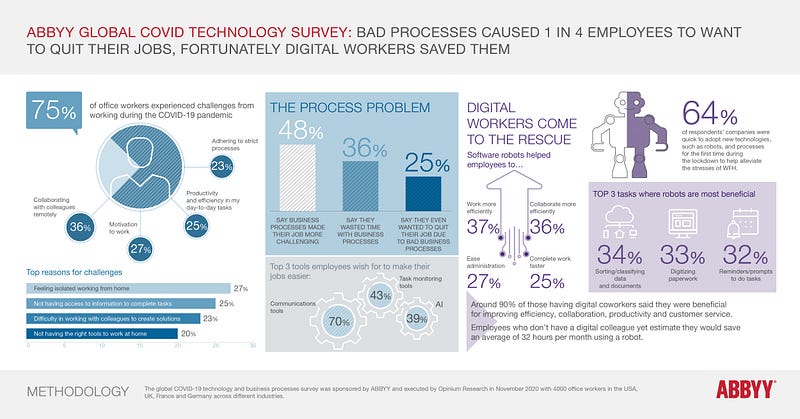
What we discovered was not entirely surprising. Seventy-four percent of respondents said they had experienced challenges at work during the current global pandemic. When identifying the cause of their biggest challenges, 40% of workers blamed the lack of information on solutions or tasks, 32% blamed not having the right IT tools, and 27% blamed feeling isolated.

What was surprising is that another major contributing factor to workplace challenges was processes. While most would agree that business processes are in place to foster efficiency, compliance, and better business outcomes, nearly half of the respondents (48%) blamed poor business processes for making their job more challenging, with one in four wanting to quit their job because of it. Another 36% said processes wasted time and let them down.
Another interesting finding from the survey was the introduction of technology during the pandemic. Sixty-four percent of respondents’ companies were quick to adopt new technologies and processes for the first time during the lockdown to help ease the stresses of WFH. Tools that helped with processes digitized the automation of paper and onboarded new clients were deemed successful for respondents (76%); this included tools for monitoring employee tasks and performance.
Here are some trends that are reshaping the workplace in 2021:

Virtual or Remote Work Culture Is Here to Stay
In the days before the pandemic outbreak, virtual work wasn’t widespread. But companies made it a must to ensure business continuity during the pandemic, and this new way of working is here to stay. It has proven to be a great way to cope with the lockdown while improving employees’ work-life balance.
Due to the recurrence of the lockdowns, Google has seen a significant increase in research related to “work-from-home culture” and “work-from-home mental health.” This makes it a priority, and companies need to develop a work culture in a virtual setting that will help them keep employees or staff members engaged.
The Hybrid Work Model Is on the Rise
The hybrid workplace/workforce model is harder to imagine than it is possible. It’s a work arrangement in which enables employees to work from the corporate office, their home, or an alternate third space (coffee shop, co-working space, etc.). Workers benefit from cooperation when working in the office and convenience and flexibility when working from elsewhere.
Slack’s Remote Employee Experience Index states that most employees turn away from the traditional office work mode. Only 11.6 percent of respondents reported wanting to return to classic office work, while 72.2 percent want a hybrid remote office model.
It has been observed that while people’s productivity improves at home, creativity and focus on innovation drop. Thus, it is essential for a business's overall success that teams work on a hybrid workplace/workforce model.
Flexible Work Schedules Are Prevailing
Remote work comes with flexible working hours. The pandemic has also changed working hours. How? Schools are turning to distance learning for health reasons, and most workers are parents, so they have to adjust their work schedules to accommodate their children. That has translated the workday for many workers into time slots split between day and night. Flexibility and adaptability in work schedules are therefore a necessity for worker motivation, productivity, and stress.
So, while allowing employees to work remotely, HR managers need to be innovative in their approach to determining when and how long employees should work.
Digital Innovations in the Workplace
The accelerated and successful innovation of security and efficiency technologies is changing the game in all sectors. Many companies have been forced to escalate the use of technology due to the changes they have been forced to make as a result of the pandemic. Technological innovations have been primarily designed to encourage remote work.
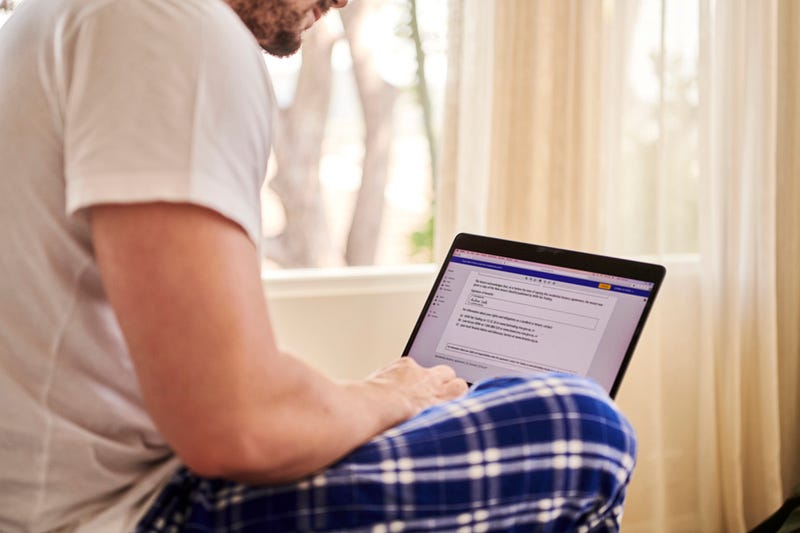
Some of the significant innovative technologies include AI-driven intelligent virtual assistants that help you organize your schedule, automate repetitive daily tasks, or even anticipate your needs to increase efficiency. There are also secure group messaging systems and immersive team apps to communicate in real-time and keep employees connected.
Mental Health And Wellness Benefits
Business leaders will also need to foster practices that promote their staff’s mental health and overall well-being. These are general practices that seek to reduce anxiety and the risk of depression, increase self-esteem, clearer thinking, improve mood and relationships, and more. So, you should offer flexible hours, additional time off, do employee checks. These measures can help you improve the mental health and overall well-being of your staff.

Employers are going even further by working to de-stigmatize mental health by expanding mental health benefits, creating specific days off for the entire company to offer “a collective mental health day” to build awareness across the workforce about this critical issue.
Increased Need for Cybersecurity
For many organizations, online presence is taking precedence more than ever. They are spending money, time, and effort on digital events rather than in-person events. Working staff needs to access company systems and the database from home, or at least remotely. The result is an increased need for cybersecurity, or at least mitigating the risk of thieves stealing or using the company’s customer data.
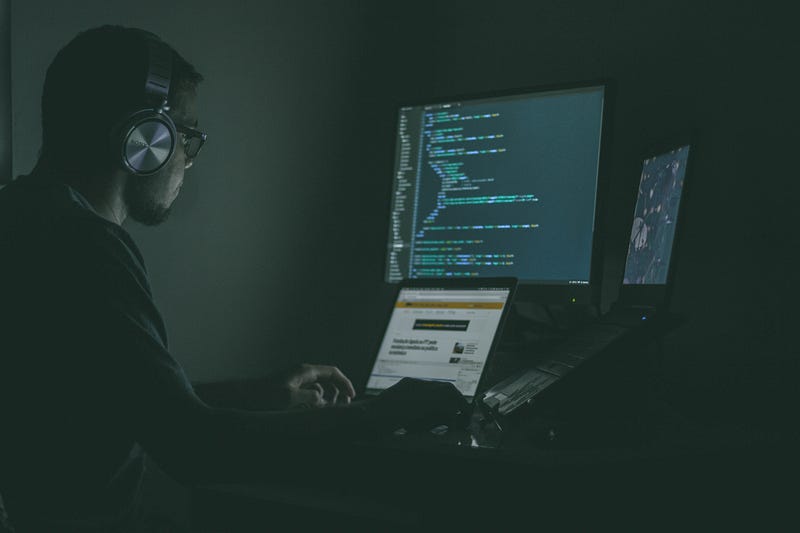
On the other hand, businesses are also exposed to major digital threats such as viruses or ransomware attacks. Therefore, your business needs to invest time and resources in cybersecurity or a robust IT system. Besides, you need to ensure that your remote staff has the specific devices and benefits of IT maintenance to ensure its operation’s protection and security.
As we look at current and future workplace trends, it becomes clear that 2021 will force the workplace as we know it to adapt and change. The global COVID-19 outbreak, and its impact on the workplace in 2020 accelerated innovation and further brought technology and digitization to be a top priority for the enterprise. While technology continues to reshape the way we live and work, 2021 will see a major change in workplace culture and new acceptable norms of work.