
Top Tip For Writers. Don’t Finish.
“When you are going good, stop writing.” Ernest Hemingway
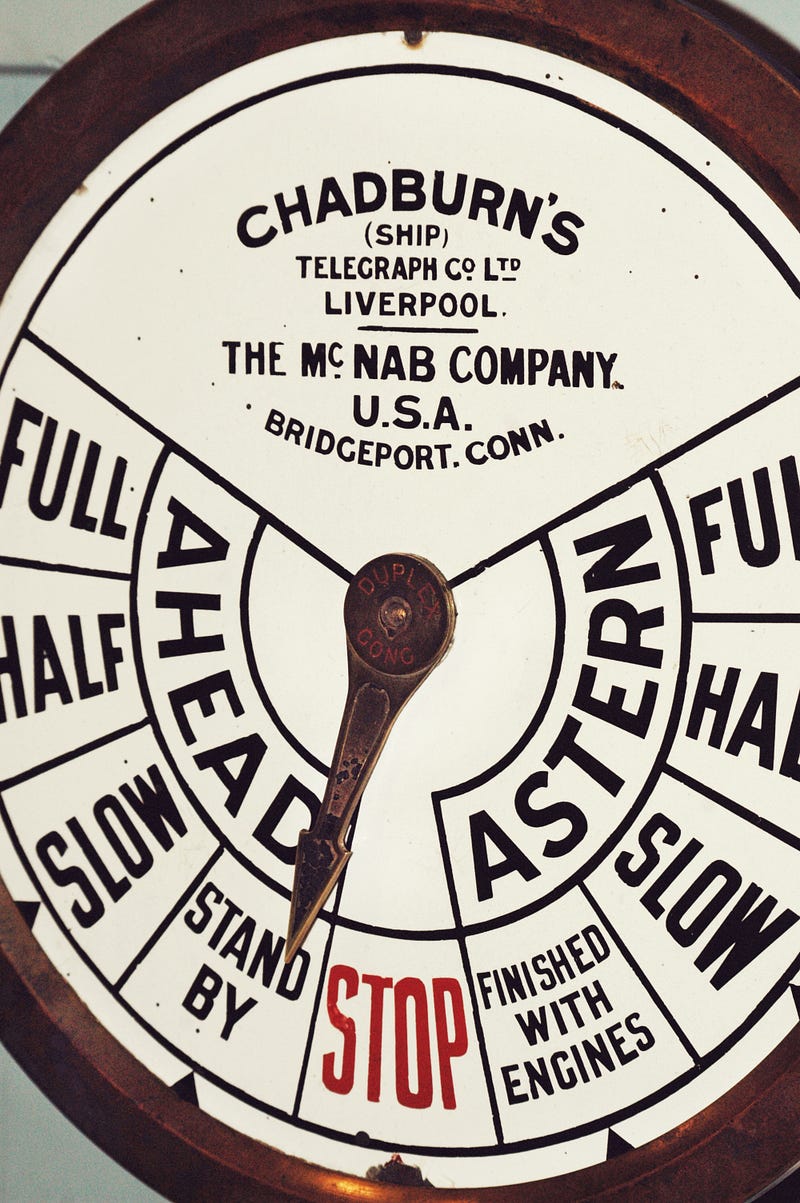
When it comes to writing or creating anything, people always talk about the fear of the blank sheet of paper.
But it’s not really a fear of paper unless you’ve got Papyrophobia and then it is.
It’s the fear of a blank mind.
But there’s an easy way to hack your way out of having a blank mind. When you sit down to work on a project, don’t finish.
Say, for example, you’re writing a long work document, the natural inclination would be to stop where you find a natural ending: at the end of a thought or, at the very least, the end of a paragraph.
You’re dotting the i’s and crossing the t’s and leaving it neat and tidy for tomorrow. But the trouble is, putting your project to bed like this also puts your mind to sleep and that’s the last thing you want.
The project might only be halfway through, but to your mind, it’s done and dusted. The next day when you come back to it, you really are starting afresh.
You need to re-engage your mind in the project and this can be hard. You can’t really grasp that thought that seemed so clear the night before. And then because it’s not coming easily, you start to feel blocked and negative emotions start arising about your own ability. You get distracted by emails and then when you come back to it later, getting into it again seems an even more daunting task.
Well, Ernest Hemingway had an answer to this problem. When he stopped writing he didn’t leave it at a natural neat ending point of a chapter or even a paragraph. He wanted to leave his writing with a sharp, jagged edge so it couldn’t be ignored. So he would always stop mid-sentence.
This is what he said about the practice: “You write until you come to a place where you still have your juice and know what will happen next and you stop and try to live through until the next day when you hit it again.”
Firstly and most obviously, stopping when you know what you want to write next, makes it a lot easier to start again the next day.
But more importantly, you’re engaging your brain and tying it to the project. The brain doesn’t like unfinished business, so by stopping mid-sentence you’re keeping it involved. That’s what Hemingway meant when he said, “you stop and try to live through until the next day when you hit it again.” Your mind is actually desperate to get back to working on it.
And what’s even better is when you switch off, your unconscious won’t. It’ll keep thinking about it, so when you sit down to write, not only will you know what to write, but new ideas might start bubbling up from your unconscious as well.
Of course, the hard thing is to stop writing when it’s going well. You want to make the most of this purple patch. But you have to be tough on yourself. Pick a time or a number of words and after that, stop.
Hemingway passed on his writing hack to another great writer, Roald Dahl, who said this about it: “Make yourself stop, put your pencil down and you walk away. And you can’t wait to get back because you know what you want to say next and that’s lovely and you have to try and do that. . . . If you stop when you are stuck, then you are in trouble!”
It’s simple really. When you are going good, stop wri


