
Top 5 Health and Nutrition Benefits of Persimmon

People have cultivated persimmon trees, originally from China, for thousands of years for their delicious fruit and beautiful wood.
The orange-hued fruits, known as persimmons, are renowned for their sweet, honey-like flavor. While there are hundreds of persimmon types, the Hachiya and Fuyu varieties are among the most popular.
Hachiya persimmons, heart-shaped in appearance, are astringent due to their high tannin content, which imparts a dry, bitter taste when unripe. This type of persimmon should be fully ripe before consumption.
On the other hand, Fuyu persimmons also contain tannins but are considered non-astringent. Unlike Hachiya persimmons, you can enjoy the crisp, tomato-shaped Fuyu variety even when they are not completely ripe.
Persimmons can be consumed fresh, dried, or cooked, and they are commonly used worldwide in jellies, drinks, pies, curries, and puddings.
Beyond their delightful taste, persimmons are rich in nutrients that offer various health benefits. Here are 5 advantages of incorporating persimmons into your diet.
(i) :Loaded with nutrients
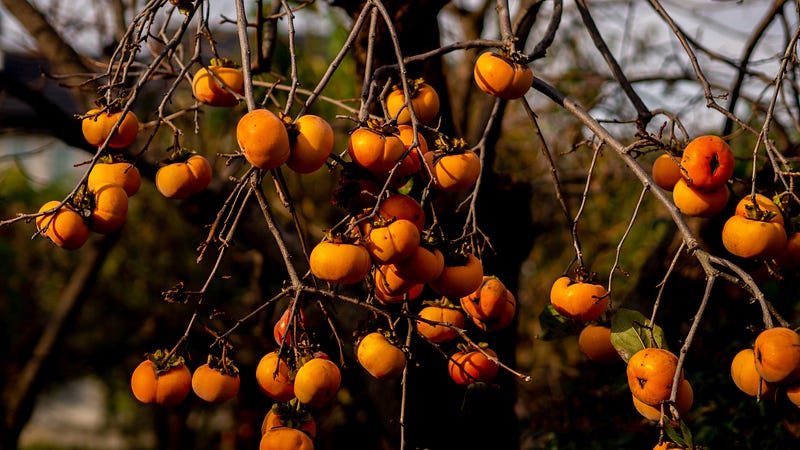
Though small in size, persimmons are packed with an impressive array of nutrients. In fact, a 168-gram Japanese persimmon contains.
- Calories: 118 - Carbs: 31 grams (g) - Protein: 1 g - Fat: 0.3 g - Fiber: 6 g - Vitamin A: 15% of the daily value (DV) - Vitamin C: 14% of the DV - Vitamin E: 8% of the DV - Vitamin K: 4% of the DV - Vitamin B6 (pyridoxine): 10% of the DV - Potassium: 6% of the DV - Copper: 21% of the DV - Manganese: 26% of the DV
Persimmons are also a good source of thiamin (B1), riboflavin (B2), folate, magnesium, and phosphorus.
These vibrant fruits are low in calories and packed with fiber, making them a weight-loss-friendly food.
In addition to vitamins and minerals, persimmons contain a wide range of plant compounds, including tannins, flavonoids, and carotenoids, which can have a positive impact on your health.
The leaves of the persimmon fruit are also rich in vitamin C, tannins, and fiber, making them a common ingredient in therapeutic teas.
(ii) :Excellent source of powerful antioxidants

Persimmons contain beneficial plant compounds with antioxidant properties.
Antioxidants play a crucial role in preventing or slowing cell damage by countering oxidative stress, a process initiated by unstable molecules known as free radicals.
Oxidative stress has been associated with specific chronic diseases, including heart disease, diabetes, cancer, and neurological conditions like Alzheimer's.
Consuming foods rich in antioxidants, such as persimmons, can help combat oxidative stress and potentially reduce the risk of certain chronic diseases.
Diets high in flavonoids, potent antioxidants found in significant concentrations in the skin and flesh of persimmons, have been linked to lower rates of heart disease, age-related cognitive decline, and lung cancer.
Persimmons are also abundant in carotenoid antioxidants, including beta-carotene, a pigment found in many brightly colored fruits and vegetables.
According to a 2016 research review, studies have established a connection between diets high in beta-carotene and a reduced risk of heart disease, lung cancer, colorectal cancer, and metabolic diseases.
Furthermore, a 2015 study involving over 37,000 people revealed that those with a high dietary intake of beta-carotene experienced a significantly decreased risk of developing type 2 diabetes.
(iii) :May help reduce inflammation
Conditions such as heart disease, arthritis, diabetes, cancer, and obesity are all associated with chronic inflammation.
Opting for foods rich in anti-inflammatory compounds can play a pivotal role in reducing inflammation and lowering the risk of disease.
Persimmons serve as an excellent source of the powerful antioxidant vitamin C. In fact, a single persimmon contains 14% of the recommended daily intake.
Vitamin C aids in shielding cells from damage caused by free radicals and counteracts inflammation within the body. It mitigates free radical damage by donating an electron to these unstable molecules, thereby neutralizing them and preventing further harm.
C-reactive protein and interleukin-6 are substances produced by the body in response to inflammation.
An 8-week study conducted in 2015, involving 64 individuals with obesity, discovered that supplementing with 500 milligrams (mg) of vitamin C twice daily significantly reduced levels of C-reactive protein and interleukin-6.
Moreover, a substantial study from 2016 linked a higher dietary intake of vitamin C to a reduced risk of inflammatory conditions such as heart disease, prostate cancer, and diabetes.
Persimmons also contain carotenoids, flavonoids, and vitamin E, all of which are potent antioxidants that combat inflammation within the body.
(iv) :Rich in fiber
Having high levels of cholesterol, particularly "bad" LDL cholesterol, can increase the risk of heart disease, stroke, and heart attack.
Foods rich in soluble fiber, such as fruits and vegetables, can aid in reducing elevated cholesterol levels by assisting the body in eliminating excess cholesterol.
Persimmons are a high-fiber fruit that has demonstrated the ability to lower LDL cholesterol levels.
A study from 2013 found that adults who consumed cookie bars containing persimmon fiber three times a day for 12 weeks experienced a significant reduction in LDL cholesterol compared to those who consumed bars without persimmon fiber.
Fiber also plays a vital role in promoting regular bowel movements and can assist in lowering high blood sugar levels.
Foods abundant in soluble fiber, like persimmons, slow down the digestion of carbohydrates and the absorption of sugars, effectively preventing spikes in blood sugar.
A study from 2016, involving 117 individuals with diabetes, demonstrated that increased consumption of soluble dietary fiber led to substantial improvements in blood sugar levels.
Additionally, fiber supports the growth of beneficial bacteria in your intestines, which can have a positive impact on your digestive and overall health.
(v) :Delicious and easy to add to your diet:
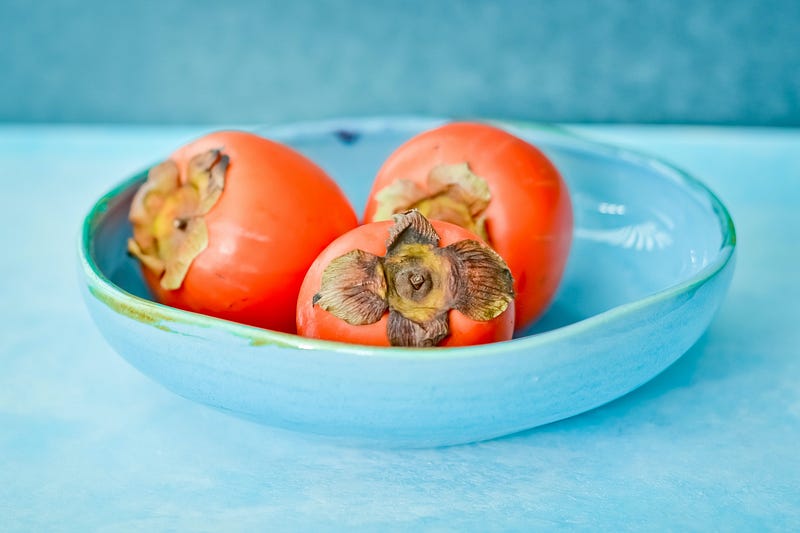
Persimmons can be a versatile addition to a variety of dishes, providing an extra boost of nutrition.
These fruits can be savored fresh as a simple snack or used to enhance delicious recipes, complementing both sweet and savory flavors.
Here are some creative ways to incorporate persimmons into your diet:
- Slice persimmons onto a salad for an exciting burst of flavor.
- Add fresh or cooked persimmons to your morning yogurt or oatmeal for a touch of natural sweetness.
- Roast persimmons in the oven and drizzle them with honey for a delectable and healthy dessert.
- Mix dried or fresh persimmons into muffin, bread, or cake mix for a unique twist.
- Combine persimmons with berries and citrus fruits to create a delightful fruit salad.
- Broil persimmons and serve them with baked Brie as a delicious appetizer.
- Bake persimmons alongside chicken or meat for a one-of-a-kind flavor combination.
- Enhance your favorite smoothie recipe by tossing in frozen persimmons for added nutrients.
- Slice and dry persimmons in the oven to prepare natural fruit strips for a wholesome snack.