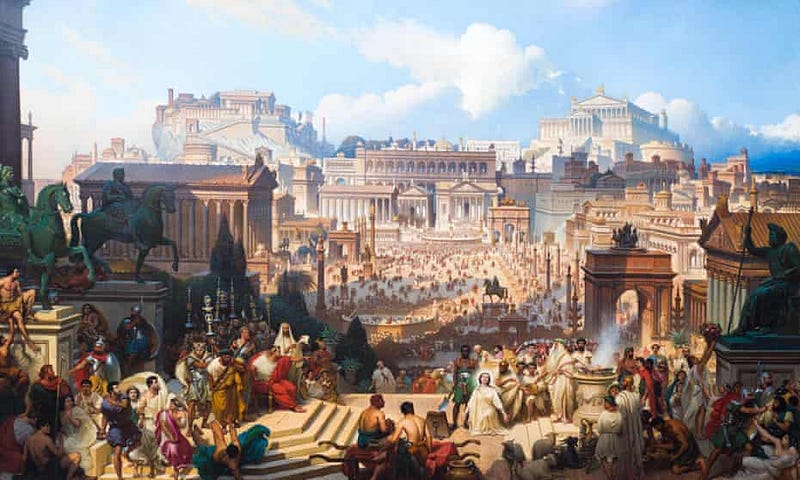
Top 4 Most Important Roman Cities
The cities that made Rome
Rome was unique for its time, as its Empire was built on urban centres. Compared to the other great Empires of the age such as Persia and to an extent even China, the major cities of Rome were large and served important functions other than merely provincial capitals. From Alexandria in Egypt to Londinium in Britannia, the cities of Rome served as the backbone of the Empire.
Alexandria: Second Capital of Rome
Peak Population: 300,000–500,000
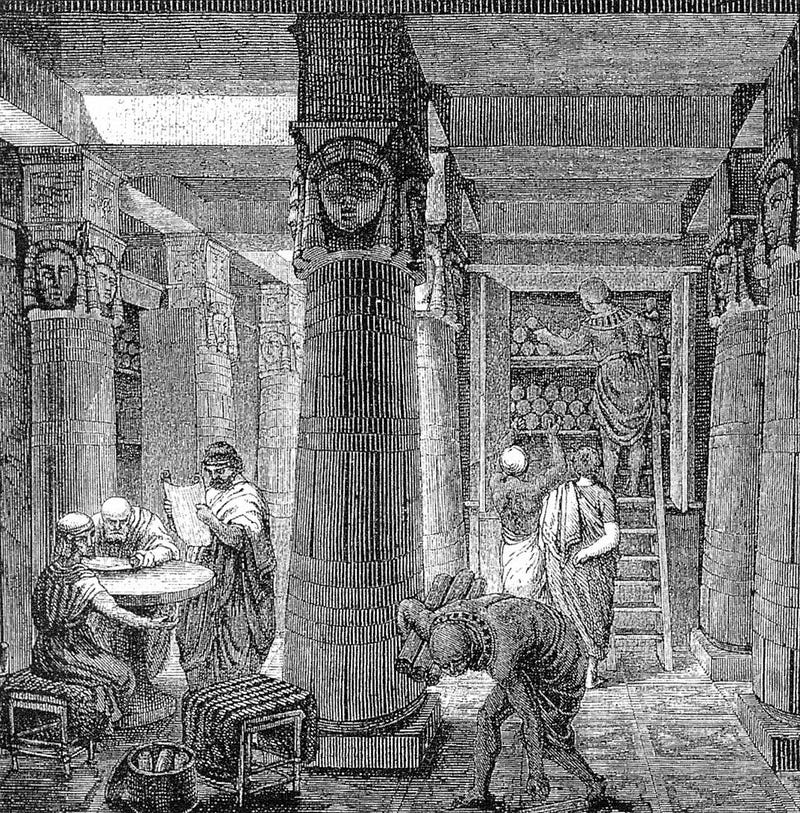
Perhaps the most important city of Ancient Rome, Alexandria was the city that financed the Empire’s success; serving as the grain capital of the Roman World. Founded by Alexander the Great in 332 B.C, the city was unique as it was a Hellenistic settlement that served as the capital of Egypt for centuries.
Furthermore, its monuments and splendour were one of the few which rivalled that of Rome itself, as it held structures such as the Library of Alexandria, which was the largest library of Antiquity. So important was Alexandria, that Augustus placed the city and subsequently the entire Egyptian province under his direct control.
Carthage: Queen of the Seas
Peak Population: 300,000–500,000
Carthage may be the most surprising on the list, as it was the famous city and civilization that Rome destroyed in the Punic Wars. However, Julius Caesar rebuilt the City which went on to serve as the most important agricultural centre next to Alexandria. Furthermore, it served as a vital link to the Mediterranean which kept it a “Roman lake” for five centuries.
Carthage would become even more vital to Rome with the Empire’s decline, as Italy increasingly relied on its grain exports and its geographical position to retain control over the vital Mediterranean Sea. As a matter of fact, the Fall of Carthage to the Vandals in the fifth century crippled Rome, resulting in its Final Fall in 476 A.D.
Unfortunately for this “Second Coming” of Carthage, its prosperity would not last, as it was destroyed for the final time by the Arabs in 698 A.D.
Constantinople: “Nova Roma”
Peak Population: 500,000–1,000,000
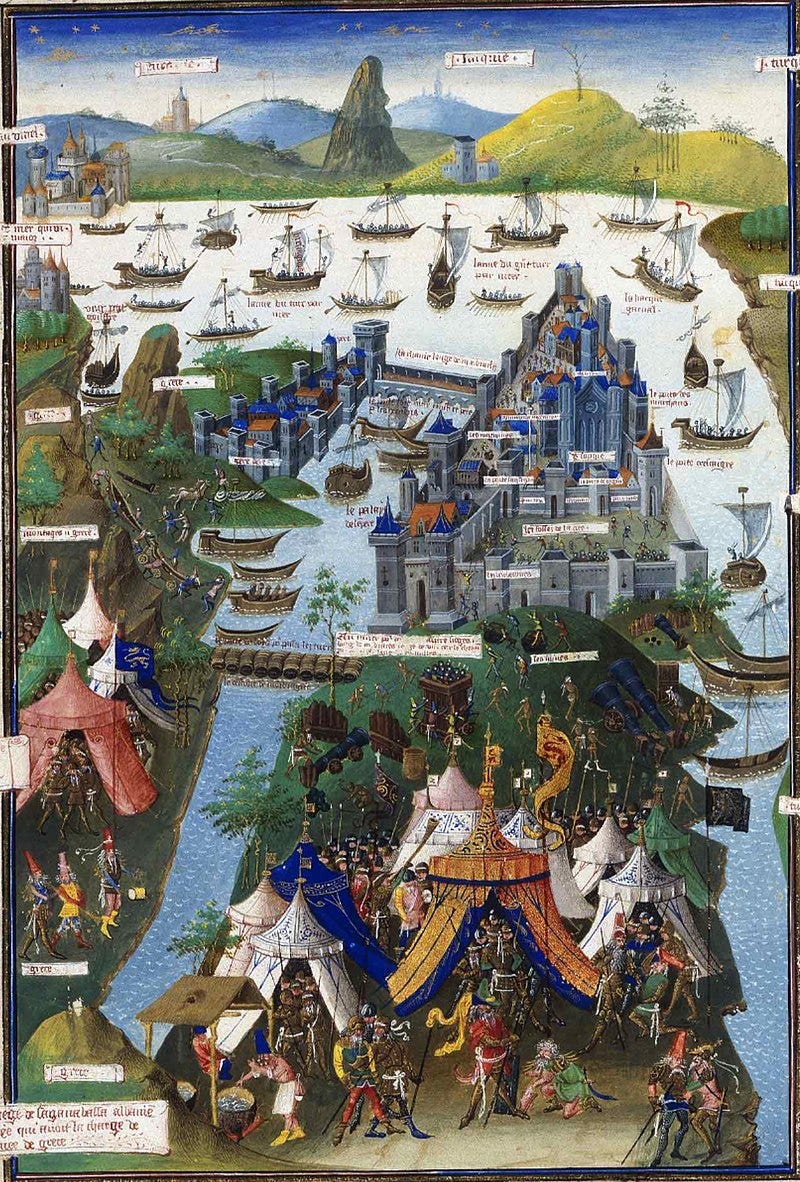
As the old Empire in the West declined, the East stood alone with Constantinople at its heart. After the Fall of Rome, the “Queen of Cities” preserved Roman culture for a millennium longer, serving as the largest city in Europe until the Medieval Ages.
Founded by Constantine the Great in 330 A.D, it became the new Christian capital of an Empire in transition. With its impressive walls protecting the City, it was not until 1453 A.D when the City finally fell after a thousand years of struggle and prosperity.
Rome: The Eternal City
Peak Population: 1,000,000–1,200,000
Rome, the Eternal City was the symbolic capital of the Empire until its end. However, it was a victim of its own Empire, as the rapid decline on the frontiers in the Crisis of the Third Century had relegated the geographically inwards Capital to irrelevance by the dying years of the Western Empire.
With the centre of power gradually shifting to Constantinople and the mounting economic decline and Barbarian incursions, Rome fell from the great city of 1,000,000 to a town of 75,000 by the end.
Despite its physical decline, Rome’s importance as the symbolic heart of the Empire never died, with even Constantinople investing its blood and soul into reconquering the fallen city in the Reign of Justinian.
Conclusion
As shown in the functions and identity of the major cities of the Roman World, urban centres were not mere administrative centres but had economic and symbolic importance; thus making a united and large Roman World.
Sources: