
Top 25 Countries Having The World’s Best Healthcare System
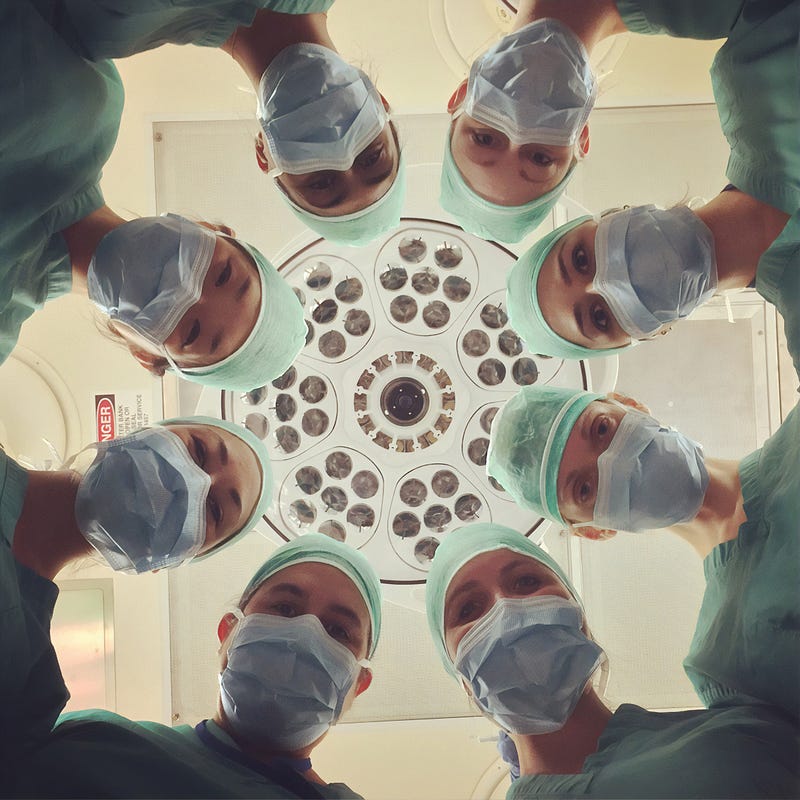

Healthcare system rankings are based on various factors such as access to healthcare, quality of care, cost, and health outcomes. For example, the WHO ranking is based on a composite index that considers factors such as healthcare coverage, health outcomes, and financial fairness of healthcare systems.


Other organizations may use different criteria to rank healthcare systems. For instance, in 2021, the Legatum Institute, a London-based think tank, published a healthcare ranking that factors in the quality of healthcare infrastructure, essential health outcomes, clinical outcomes, and patient satisfaction. According to their order, the top 5 countries with the best healthcare systems are Switzerland, Denmark, the Netherlands, Norway, and Japan.
Healthcare system rankings have their limitations. Different scales may use other criteria and weighting and may not always capture the complete picture of a healthcare system’s performance. It’s also worth remembering that even in countries with highly ranked healthcare systems, there may still be disparities in access to care and health outcomes among different populations.
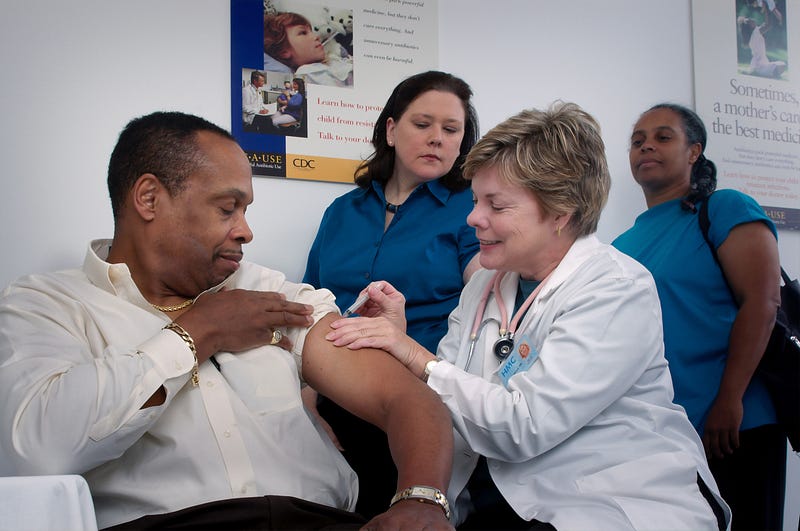


This is why I will write about the top 25 countries with the world’s best healthcare systems. Countries with a magnificent healthcare structure also happen to be among those with the highest life expectancies in the world. The reason why there are still many countries around the world that lack efficient healthcare systems is based on inefficient governance, corruption, power abuse, high levels of poverty, and negligence.
I am not going to play the game of blaming the failures of countries that lack an excellent healthcare system on colonization because the message it sends is that in those societies, populations are not intelligent enough to invent efficient healthcare systems that would reduce death rates and balance birth rates — I don’t by it because some of the countries on this list have been colonized. They have not used it as an excuse to hold themselves back from thriving. Here are the top 25 countries with the world’s best healthcare infrastructure:
25. New Zealand





New Zealand’s healthcare system is highly regarded for its commitment to providing accessible and affordable healthcare to its residents. Its comprehensive healthcare policies reflect the country’s philosophy of giving everyone a fair shot at life. In New Zealand, public healthcare is free or available at low cost for individuals who hold a work visa valid for two years or more, are citizens, or are residents. This ensures that a significant portion of the population can access essential healthcare services without financial barriers.
While public healthcare is the primary option for most New Zealanders, obtaining private medical insurance for those who prefer additional coverage or access to private healthcare facilities is also available. However, it’s worth noting that many New Zealanders choose not to take private insurance, as they have confidence in the quality and accessibility of the public healthcare system. Even if you are not a resident, you can still utilize healthcare services in New Zealand, but you must pay for the provided services. To ensure financial protection, non-residents should obtain medical insurance from their home country before traveling to New Zealand.
24. Israel






Israel stands out for its universal healthcare system, ensuring every citizen can access healthcare services through the National Health Insurance Law. Under this law, every Israeli citizen is entitled to healthcare services, regardless of age or health condition.
One of the critical aspects of Israel’s healthcare system is the right of every resident to register with a Kupat Holim (health maintenance organization) of their choice. These organizations provide various healthcare services, including primary care, specialist care, hospitalization, and preventive care. Universal healthcare coverage in Israel ensures that individuals receive necessary medical treatments and services without financial barriers or limitations. This commitment to comprehensive healthcare services contributes to the population’s overall well-being.
23. South Korea





South Korea boasts a robust healthcare system that ensures access to healthcare services for its citizens. The country operates the National Health Insurance Service (NHIS), a public health insurance program overseen by the Ministry of Health and Welfare.
Under the NHIS, South Koreans of sufficient income must contribute to insure themselves and their dependents. This public health insurance program is crucial in providing comprehensive coverage, including medical treatments, hospitalization, and preventive care. In addition to the National Health Insurance Service, South Korea also runs the Medical Aid Program.
This program aims to provide financial assistance and healthcare coverage to low-income individuals and families or those facing financial difficulties. It ensures that vulnerable populations can access necessary healthcare services. The combination of the National Health Insurance Service and the Medical Aid Program demonstrates South Korea’s commitment to equitable healthcare, providing coverage for a broad spectrum of the population.
22. Greece





Healthcare is a crucial aspect of our lives no matter where we reside, and Greece is no exception. In Greece, individuals have several healthcare options, ensuring access to quality healthcare services. The Greek healthcare system combines national health, compulsory social insurance, and private healthcare.
This multi-faceted approach provides a comprehensive framework for healthcare delivery in the country. The national health system in Greece ensures that all citizens and legal residents have access to essential healthcare services. This system is supported by compulsory social insurance, which requires individuals to contribute to the healthcare system based on their income. These contributions help fund and sustain the healthcare infrastructure in Greece.
In addition to the national health system, Greece also has a thriving private healthcare sector. Private healthcare facilities and services are available to those who seek additional options or prefer a more personalized approach to their healthcare needs. Visitors to Greece have reported positive experiences with public and private healthcare facilities, highlighting the quality of care and the professionalism of healthcare providers in the country.
21.Portugal





Portugal has long been a popular choice for expats from various countries due to its investment opportunities, relaxed lifestyle, affordable cost of living, high safety levels, and excellent healthcare system. The country’s healthcare infrastructure is widely regarded as one of the best in the world. Portugal offers state-provided healthcare that is accessible and free for all citizens and legal residents. This comprehensive coverage ensures that individuals can access necessary medical care without financial barriers. While medical care is primarily free, some fees may apply in specific situations, such as visits to emergency rooms, consultations with family doctors, or requests for ambulance services. These fees are generally minimal and contribute to the sustainability and efficiency of the healthcare system.
The quality of healthcare services in Portugal is highly regarded, with a strong emphasis on patient care and well-being. The country boasts a well-developed network of hospitals, clinics, and healthcare professionals, ensuring residents can access various healthcare services and specialized treatments. Portugal’s reputation extends beyond its healthcare system. The country is also renowned for its commitment to tolerance, inclusivity, and combating racism and bigotry.
Portugal has proactively promoted an inclusive society, fostered diversity, and ensured equal rights for all individuals. The government, along with various organizations and initiatives, has taken steps to address issues of racism and bigotry, promoting social cohesion and harmony. The Portuguese society’s attitude towards embracing diversity and fostering a sense of inclusivity further contributes to the overall appeal of the country. Expats and residents seeking a welcoming and accepting environment often find Portugal a favorable choice.
20. Ireland






Ireland does have a healthcare system that is highly regarded internationally, and the country has achieved good health outcomes, including a relatively high life expectancy. However, providing some context and clarifying a few points is essential. The healthcare system in Ireland is a combination of public and private provision. The public healthcare system is known as the Health Service Executive (HSE), which provides services to residents of Ireland through a network of hospitals, clinics, and other healthcare facilities. The private sector also plays a significant role, offering additional options for those who can avail of personal healthcare services.
While Ireland’s healthcare system is generally well-regarded, it faces challenges, such as waiting times for specific procedures and access to specialized care in some areas. These are common issues in many healthcare systems worldwide. Regarding life expectancy, Ireland does have a relatively high life expectancy compared to global averages. According to the World Health Organization (WHO), the average life expectancy in Ireland was around 82 years for males and 85 years for females in 2019. These figures are subject to change over time and can vary based on various factors, including socioeconomic status, lifestyle, and access to healthcare.
19. Singapore





Singapore has a highly regarded healthcare system known as the Singaporean healthcare model. However, it is essential to note that healthcare services in Singapore are not entirely accessible to citizens or foreign residents. The healthcare system in Singapore operates on a mixed financing model, which combines government subsidies, individual contributions, and private insurance. The government plays a significant role in ensuring the accessibility and affordability of healthcare services through various schemes and grants.
For Singaporean citizens and Permanent Residents (PRs), there is a compulsory healthcare savings program called the Central Provident Fund (CPF). Through the CPF, individuals contribute a portion of their income to a healthcare account, which can be used to cover medical expenses. The government also provides subsidies and assistance for lower-income individuals and families.
Foreign citizens living in Singapore legally, such as holders of an Employment Pass or Dependent Pass, have access to healthcare services but are generally not covered by the same government subsidies as citizens and PRs. They may need to rely on private health insurance or pay out-of-pocket for their healthcare expenses. It is worth noting that the healthcare system in Singapore is highly efficient and provides quality care. The government emphasizes preventive care, health promotion, and early intervention to manage healthcare costs and improve overall population health.
18. Luxembourg






is indeed one of the wealthiest countries in the world per capita, and its healthcare system combines both public and private components.
In Luxembourg, healthcare is primarily funded through mandatory health insurance. The public component of the healthcare system is managed by the National Health Fund (Caisse Nationale de Santé, CNS). The CNS operates as a statutory health insurance scheme, with contributions based on income and employment status. The gifts are typically shared between the employer and the employee.
The public healthcare system in Luxembourg provides a wide range of services, including hospital care, primary care, specialist care, and medication coverage. The government regulates healthcare providers and ensures the quality and accessibility of services. In addition to the public system, Luxembourg also has a private healthcare sector. Private health insurance is available for those who wish to have additional coverage or access to private healthcare providers.
17. Slovenia






Slovenia’s healthcare system is often considered one of the best among the former Warsaw Pact countries, along with Estonia. However, it is essential to note that the concept of “best” is subjective and can be evaluated based on various factors and criteria. Slovenia has made significant strides in developing a comprehensive healthcare system since gaining independence in 1991. The country strongly emphasizes universal healthcare coverage, accessibility, and high-quality care for its population.
Slovenia operates a mixed healthcare system, combining both public and private elements. The general component is funded through compulsory health insurance contributions, with coverage provided by the Health Insurance Institute of Slovenia (ZZZS). The public system covers many services, including primary care, specialist care, hospital care, and medications. The healthcare system in Slovenia is known for its strong primary care focus, which aims to provide accessible and comprehensive care at the community level. The country also invests in preventive care and health promotion programs.
That said, it is worth noting that every healthcare system has challenges. In Slovenia, some ongoing issues include waiting times for specific procedures, regional disparities in healthcare access, and the sustainability of healthcare financing. While Slovenia’s healthcare system is often well-regarded, it is essential to consider that healthcare systems can be complex, and their performance can vary based on different indicators and perspectives.
16. Austria


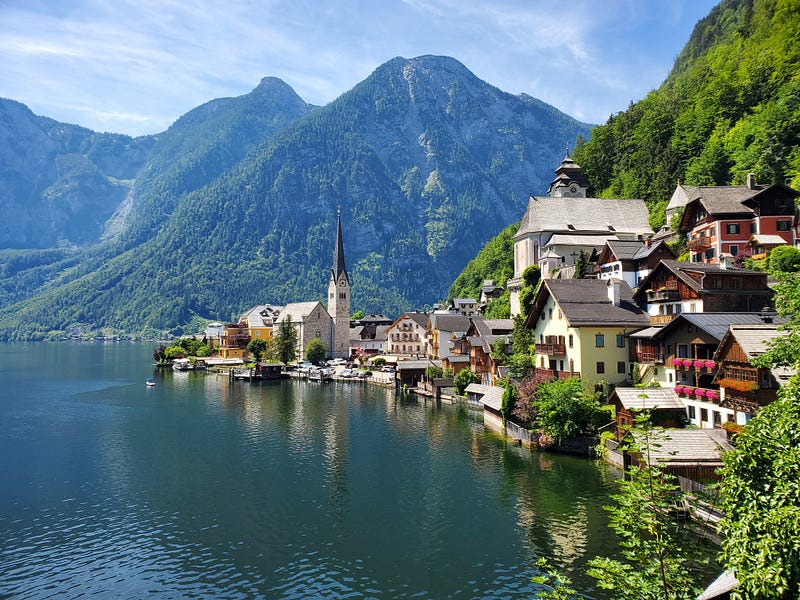




The public healthcare system in Austria is known as the statutory health insurance (Gesetzliche Krankenversicherung). It is funded through mandatory health insurance contributions based on income. The public system provides comprehensive healthcare coverage to all residents, including access to primary care, specialist care, hospital services, and medications.
The government regulates the public system to ensure the quality and accessibility of care. In addition to the public system, Austria also has a private healthcare sector. Private health insurance is available for those who wish to have additional benefits or access to private healthcare providers. Private insurance can provide advantages such as shorter waiting times for specific procedures and more options for specialized care.
While the public system offers universal coverage, the private sector in Austria is more commonly utilized by individuals with higher incomes or those seeking specialized or elective treatments. The two-tier healthcare system in Austria aims to provide a balance between universal access to essential healthcare services through the public system and allowing individuals to seek additional benefits or faster access to care through private insurance.
15. Belgium



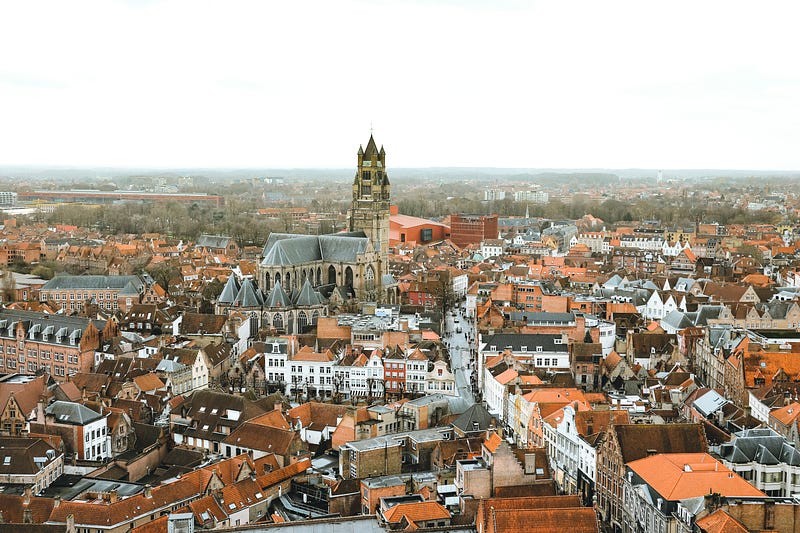


Belgium has a comprehensive healthcare system that provides universal coverage to its residents. The healthcare system is primarily funded through social security contributions and general taxation. It offers various services, including primary care, specialist care, hospital services, and medications.
In terms of life expectancy, Belgium generally has a relatively high average life expectancy. According to the World Health Organization (WHO), the average life expectancy in Belgium was around 81 years for males and 84 years for females in 2019. These figures can vary slightly from year to year and may be influenced by socioeconomic conditions, lifestyle choices, and healthcare quality.
Life expectancy is influenced by factors beyond the healthcare system, including social determinants of health, education, income, and lifestyle behaviors. While Belgium’s healthcare system contributes to the overall well-being of its population, it is not the sole determinant of life expectancy. Belgium is recognized for having a sound healthcare system, and its average life expectancy is relatively high. The healthcare system, along with other factors, plays a role in supporting the health and well-being of Belgians.
14. Finland



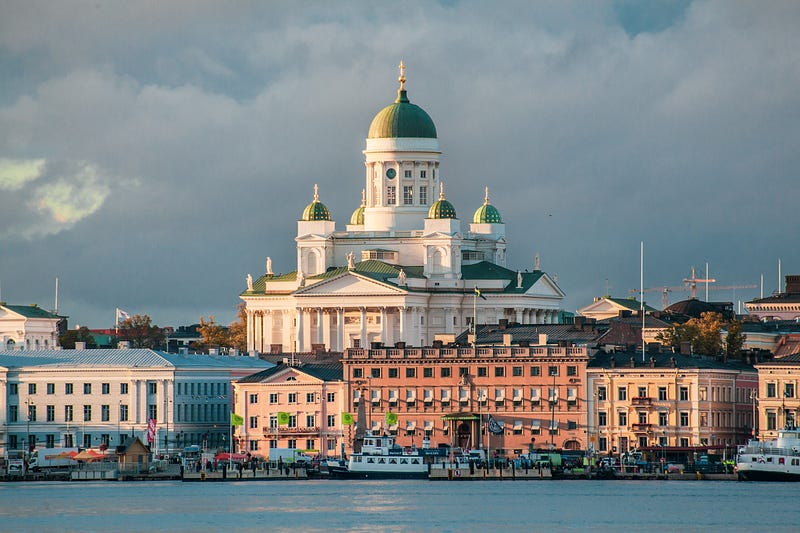

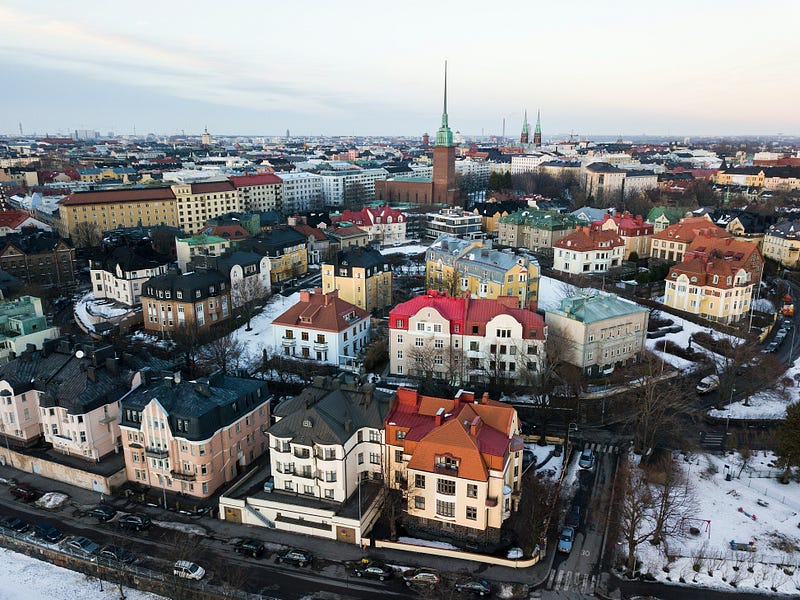

Finland is often recognized for having a highly regarded healthcare system. It is often cited as an example by proponents of healthcare reform in the United States. That said, it’s essential to clarify a few points. Finland operates a universal healthcare system that provides comprehensive coverage to its residents. The healthcare system is primarily funded through taxation and contributions from employers and employees. It offers various services, including primary care, hospital care, specialized care, and medications. While healthcare services are accessible and generally affordable for residents in Finland, it is not entirely “free” because there are no associated costs. Finnish citizens and residents contribute to the healthcare system through taxes and other forms of financing.
Implementing a similar healthcare system in the United States, often called a “single-payer” or “Medicare for All” system, draws inspiration from the principles of universal coverage and accessibility found in countries like Finland and other Nordic countries. Proponents argue that such a system could improve access to healthcare, reduce administrative costs, and provide more equitable care to all Americans. It’s worth noting that healthcare systems are complex and implementing a similar approach in a different country like the United States would involve addressing specific challenges and adapting to the unique context of the U.S. healthcare system.
13. United Kingdom of Great Britain & Northern Ireland








Britain, also known as the United Kingdom (UK), is a highly developed country and has traditionally been considered one of the most powerful economies in the world. However, it’s important to note that the economic landscape can be dynamic, and countries may face various challenges at different times. In recent years, Britain has experienced significant economic shifts and uncertainties due to factors such as the Brexit process, global economic fluctuations, and the impact of the COVID-19 pandemic.
These factors have contributed to both opportunities and challenges for the British economy. Nonetheless, the UK remains one of the world’s largest economies and has diverse industries, including finance, manufacturing, services, and technology. It continues to attract foreign investment and has a well-established infrastructure and institutions that support its economic growth. Regarding healthcare, the UK is known for its National Health Service (NHS), which provides healthcare services to all UK residents. The NHS is a publicly funded healthcare system that offers comprehensive care, including primary care, hospital services, and specialized treatments. It is often highly regarded for its accessibility and the principle of providing healthcare services based on need rather than the ability to pay.
12. Germany








is indeed one of the world’s largest and most significant economies in Europe. It has a highly developed and diverse industrial sector, including manufacturing, automotive, machinery, and technology. The German economy is known for its export-oriented approach and strong emphasis on innovation and skilled labor. In terms of healthcare, Germany has a well-regarded healthcare system that provides comprehensive coverage to its residents. A combination of public and private components characterizes the German healthcare system.
The public healthcare system, known as the Statutory Health Insurance (Gesetzliche Krankenversicherung), covers most of the population. It is funded through contributions from employees and employers and provides access to a wide range of healthcare services, including primary care, specialist care, hospital services, and medications.
In addition to the public system, Germany also has a private healthcare sector, which is utilized by individuals who choose private health insurance or have higher incomes. Private insurance can offer additional benefits, such as access to a broader range of providers or more comfortable accommodations. Germany’s healthcare system is often cited as an example by proponents of healthcare reform in the United States. The system is known for its high quality of care, accessibility, and focus on patient outcomes. It has achieved universal coverage, and the majority of Germans are insured.
11. Denmark

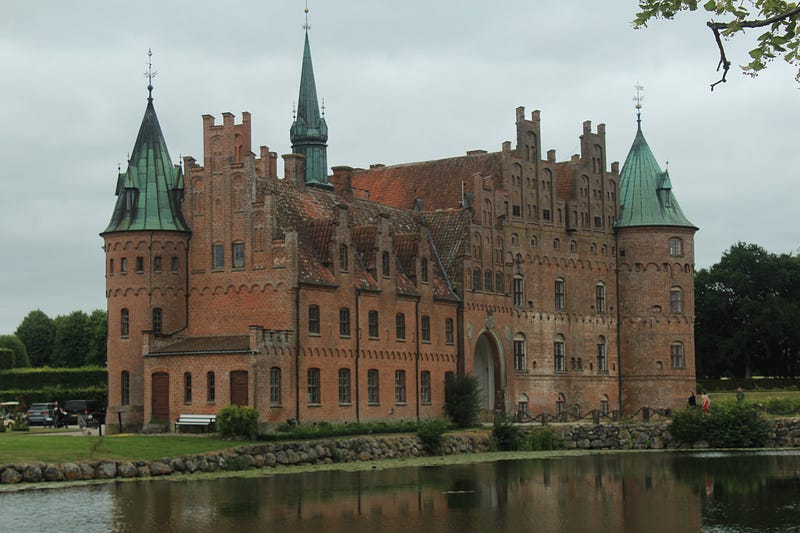



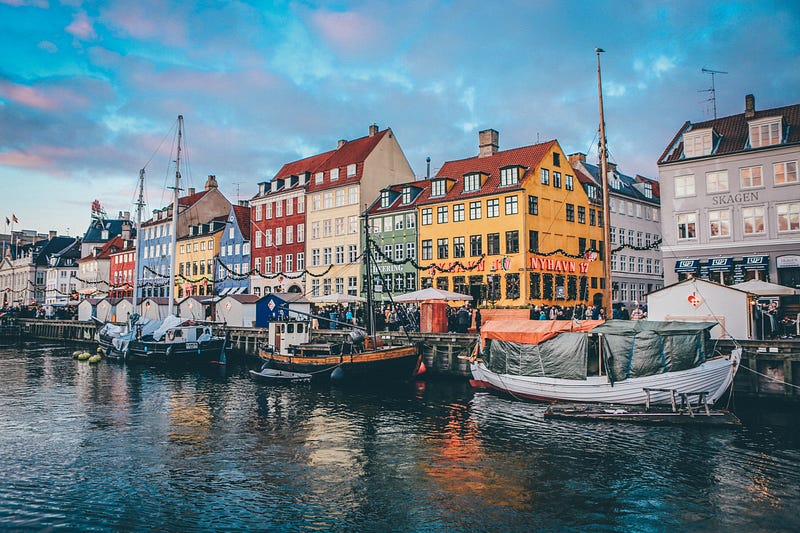









Denmark is known for its well-regarded healthcare system and high-quality education. However, clarifying a few points regarding Denmark’s healthcare and education systems is essential. Denmark has a universal healthcare system that provides comprehensive coverage to its residents. The healthcare system is primarily funded through taxes and employers’ contributions. While healthcare services are generally accessible and affordable for residents, it is not entirely “free” because there are no associated costs. Danish citizens and residents contribute to the healthcare system through taxes and other forms of financing.
Similarly, education in Denmark is highly accessible and of high quality. The Danish education system includes free primary and secondary education and accessible higher education for Danish and EU/EEA students. However, education costs such as living expenses, books, and materials may still be associated. It’s also worth noting that Denmark has a progressive tax system, where higher-income individuals and corporations contribute more in taxes. The tax rates in Denmark are relatively high compared to some other countries, and they help fund the welfare state, which includes healthcare, education, and social services.
While Denmark’s healthcare and education systems are often admired by proponents of certain political ideologies, such as Progressives in the United States, it’s essential to consider each country’s specific context and challenges. Implementing a similar system in the United States would involve addressing the unique circumstances and complexities of the U.S. healthcare and education systems and considering the cultural and political differences between the two countries.
In summary, Denmark has a well-regarded healthcare system and an accessible education system. While healthcare and education may be heavily subsidized through taxes, they are not entirely “free” as there are costs associated with them. The Danish approach to healthcare and education is an example of policy reform discussions. Still, it would require careful consideration and adaptation to the unique circumstances of each country when considering implementation in the United States.
10. Holland




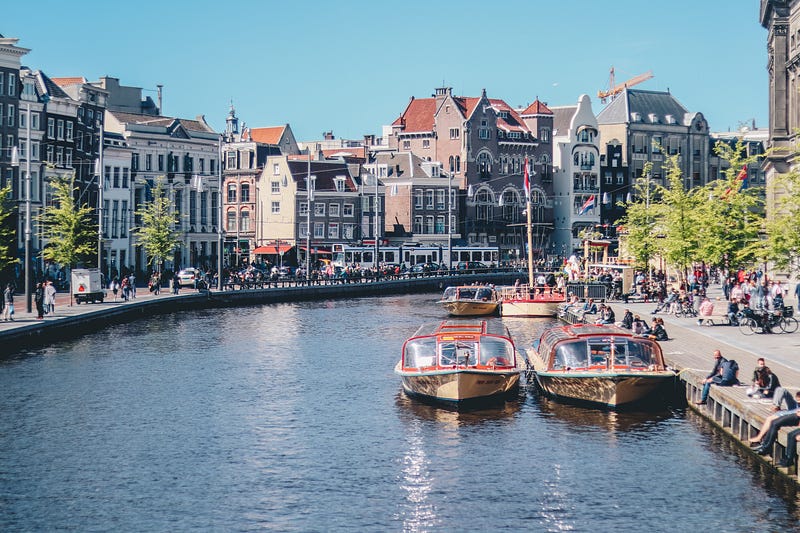





The Netherlands, often informally referred to as Holland, has a universal healthcare system that provides coverage for all residents. Holland’s healthcare system is based on mandatory health insurance, where all individuals must have health insurance coverage.
Under this system, residents must purchase private health insurance from approved insurance companies. The government regulates the insurance companies and ensures they offer a standard package of essential health benefits. The cost of insurance premiums is income-based, with subsidies available for those with lower incomes. The healthcare system in the Netherlands is known for its emphasis on accessibility, quality of care, and patient choice. It includes many services, including primary care, hospital care, specialist care, prescription medications, and mental healthcare.
Given that Holland has mandatory health insurance, the country has achieved near-universal coverage, meaning that the vast majority of residents have access to healthcare services. This helps ensure that individuals in the country are protected against high medical costs and have access to necessary healthcare without financial barriers.
9. Canada










Canada has a public healthcare system based on provincial and territorial insurance plans, collectively known as Medicare. The healthcare system in Canada is designed to provide reasonable access to medically necessary hospital and physician services to all Canadian residents. Under this system, Canadian residents do not have to pay out-of-pocket for most medically necessary hospital and physician services. Instead, the healthcare services are funded through taxes and government revenues. The specific coverage and services provided can vary slightly between provinces and territories, as they have some autonomy in managing and administering their healthcare systems.
The Canadian healthcare system covers many benefits, including doctor visits, hospital stays, surgeries, preventive care, and diagnostic tests. However, it’s important to note that not all healthcare services are covered. Some services, such as prescription medications, dental care, and vision care, may require additional private insurance or be paid out-of-pocket.
The Canadian healthcare system is often considered publicly funded and publicly administered, aiming to ensure that all residents have access to necessary healthcare services regardless of their ability to pay. However, wait times for specific procedures and specialist consultations can sometimes be a concern. While the Canadian healthcare system provides a comprehensive safety net, discussions around healthcare in Canada often involve ongoing debates and considerations for improving access, reducing wait times, and addressing funding challenges.
8. Switzerland






Switzerland has a universal healthcare system, which is regulated by Swiss federal law. However, unlike other countries with universal healthcare, such as Canada or the United Kingdom, Switzerland relies on a compulsory private health insurance system. Under the Swiss healthcare system, every resident is legally required to have basic health insurance coverage, which private insurance companies provide. The insurance coverage is mandatory for all residents, regardless of age, health status, or income level.
This requirement ensures that everyone in Switzerland has access to essential healthcare services. Switzerland’s primary health insurance coverage is standardized and includes a set of important benefits defined by law. These benefits include consultations with doctors, hospital stays, medications, and maternity care. The insurance premiums for the basic coverage are typically paid by individuals, with subsidies available for those with lower incomes.
In addition to the mandatory basic coverage, individuals in Switzerland can also choose to purchase supplementary private health insurance to cover additional services or amenities that are not included in the basic coverage. These extra insurance plans can provide benefits such as access to private hospitals or higher ranges.
7. Sweden









Sweden has a universal healthcare system that aims to provide healthcare coverage for all residents, regardless of their social class or income level. The healthcare system is primarily financed through taxes collected at the regional level, supplemented by direct transfers from the federal government.
Under the Swedish healthcare system, individuals can access various healthcare services, including primary care, specialist care, hospital care, and pharmaceuticals. The system emphasizes preventive care and promotes early intervention to ensure the overall health and well-being of the population.
The Swedish healthcare system is known for its focus on equal access and high-quality care. The aim is to provide healthcare services based on medical needs rather than an individual’s ability to pay. The system strives to reduce health inequalities and ensure that individuals receive appropriate care regardless of socioeconomic status.
It’s important to note that while Sweden’s healthcare system is often admired, it is not without its challenges. As with any healthcare system, there are considerations related to cost containment, wait times for specific procedures, and the balance between public and private healthcare providers.
While Progressives in the United States may look to countries like Sweden as examples of successful healthcare systems, it’s essential to recognize that implementing a similar approach in the United States would require careful consideration of the country’s unique context and challenges.
6. Japan








In: In Japan, healthcare is not free, but the country has a universal healthcare system. The Japanese healthcare system is based on a mandatory health insurance program, ensuring all residents can access healthcare services.
Under the Japanese healthcare system, all individuals are required to enroll in one of several health insurance schemes. These schemes include employer-based health insurance, government-managed insurance for older people, and public assistance programs for low-income individuals. The insurance premiums are typically based on income and are shared between employers, employees, and the government.
While healthcare services in Japan are not provided entirely free of charge, the system is designed to ensure that healthcare is accessible and affordable for all residents. The government sets standardized medical procedures and service fees to prevent excessive costs. Additionally, insurance coverage in Japan is comprehensive and includes a wide range of services, such as doctor visits, hospital stays, medications, and preventive care.
5. Norway








While Norway has a publicly funded healthcare system that provides substantial coverage; individuals must contribute to the cost of their healthcare through various means. In Norway, healthcare is primarily financed through taxes and contributions from individuals. The government funds a significant portion of healthcare expenses, but individuals still have financial responsibilities regarding healthcare services.
Norway’s residents must pay a patient co-payment, known as “Egenandel,” for certain healthcare services. This co-payment varies depending on the type of service and is capped annually to protect individuals from excessive costs. Additionally, individuals are responsible for paying a portion of the cost of prescription medications.
It’s worth noting that certain groups, such as children, pregnant women, and individuals with certain chronic conditions, may be exempt from or receive reduced co-payments for certain services. While the Norwegian healthcare system is highly regarded for its quality and accessibility, it’s important to emphasize that healthcare is not entirely free, and individuals are expected to contribute financially through co-payments and other means.
4. Australia









Australia has a universal healthcare system known as Medicare. Medicare provides access to healthcare services for Australian citizens, permanent residents, and specific categories of temporary visa holders, including foreign residents. Under the Medicare system, eligible individuals can access free or subsidized healthcare services, including visits to general practitioners (GPs), specialist consultations, hospital care, and specific diagnostic tests. Medicare covers a significant portion of the costs for these services, reducing the out-of-pocket expenses for individuals. However, it’s important to note that visitors to Australia are generally not covered by Medicare unless they are from countries with reciprocal healthcare agreements, such as the United Kingdom, New Zealand, or certain European countries. Visitors from these countries may be eligible for limited Medicare benefits during their stay in Australia.
For visitors who do not qualify for Medicare, accessing healthcare in Australia usually involves paying the total cost of services out-of-pocket or having private health insurance that covers the expenses. Visitors should have travel or private health insurance that includes coverage for medical expenses while in Australia. The specific details regarding healthcare coverage for visitors can vary depending on the individual’s country of origin, visa type, and duration of stay. It’s recommended for visitors to check with the Australian Department of Home Affairs or consult with a healthcare professional or insurance provider to understand their healthcare options and any associated restrictions.
3. Italy








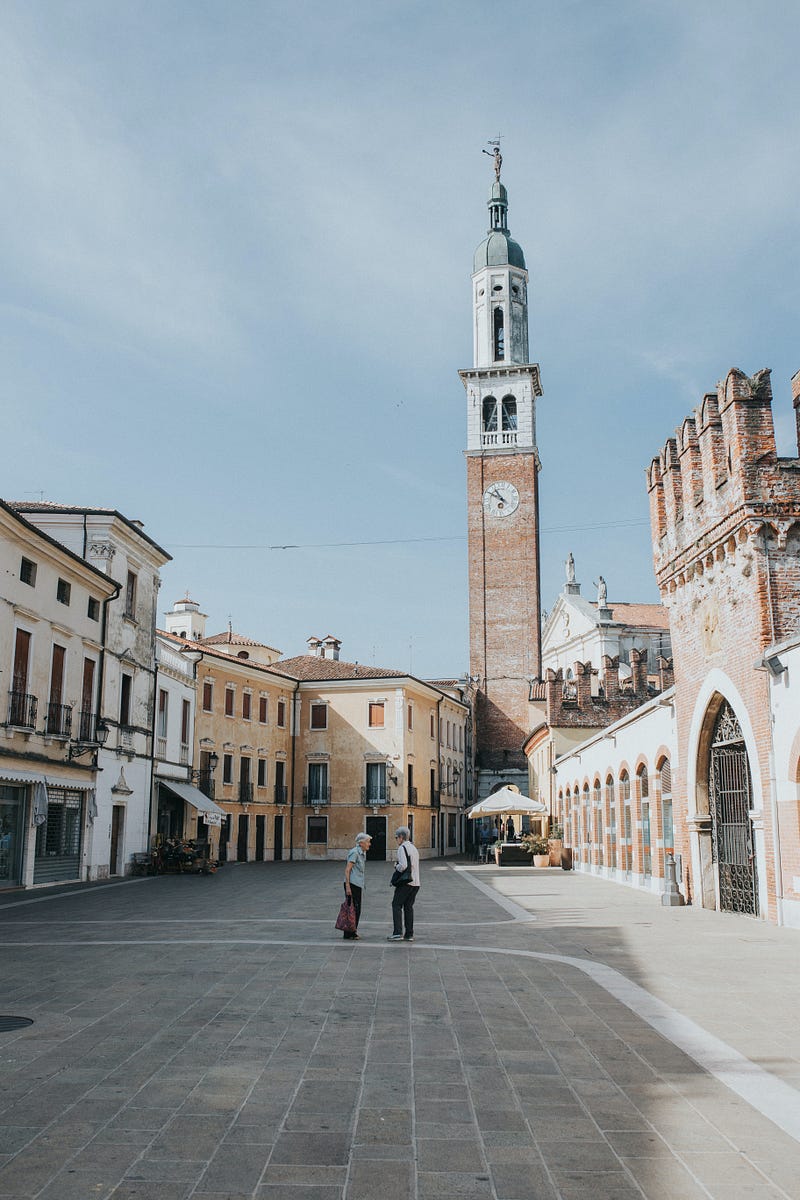

Italy has a National Health Service (Servizio Sanitario Nazionale, SSN) provides healthcare coverage to all Italian citizens and legal foreign residents. The SSN is a universal healthcare system that aims to ensure access to healthcare services for eligible people. Italian citizens and legal foreign residents are automatically enrolled in the SSN and can access various healthcare services, including primary care, specialist care, hospital care, and prescription medications. The costs of these services are primarily funded through taxes and social security contributions. It is worth noting that the SSN does not automatically cover undocumented aliens or individuals without legal residency status in Italy. Italian citizens and legal residents do not have the same entitlements to healthcare services.
In some cases, undocumented aliens may be able to access emergency care or essential services, but their access to healthcare can be limited and may vary depending on the region. Italy has implemented measures to ensure that public health is protected, and some areas may provide specific healthcare services to undocumented aliens, but this can vary across the country. Non-governmental organizations and charitable initiatives also provide healthcare support to vulnerable populations, including undocumented immigrants, in Italy.
It’s worth noting that the issue of healthcare access for undocumented aliens is a complex and debated topic in many countries, including Italy. Policies and practices regarding healthcare coverage for undocumented immigrants can evolve and may vary in different regions or under other circumstances. Italy’s National Health Service provides healthcare coverage to Italian citizens and legal foreign residents. Undocumented aliens or individuals without legal residency status in Italy do not have automatic access to the national healthcare system. With that said, emergency care or essential services may be available in certain situations or regions. The issue of healthcare access for undocumented immigrants is a subject of ongoing discussion and can vary depending on local policies and initiatives.
2. Spain










Spain has a comprehensive healthcare system that provides healthcare services to its citizens, legal residents, and, historically, undocumented immigrants. Spain’s healthcare system is the Sistema Nacional de Salud (SNS) or the National Health System. It offers universal coverage and aims to ensure access to healthcare services for everyone in Spain. For many years, Spain provided healthcare services to undocumented immigrants, allowing them to access the same healthcare benefits as Spanish citizens and legal residents. This policy was based on the principle of ensuring public health and preventing the spread of diseases. It was also seen as a way to address the healthcare needs of vulnerable populations, including undocumented immigrants.
In 2012, Spain introduced some changes to its healthcare policy under several healthcare reforms. These reforms restricted access to healthcare for undocumented immigrants, excluding them from full coverage under the SNS — the changes aimed to address specific economic challenges and reduce healthcare costs. Despite these reforms, it’s crucial to note that emergency care and essential healthcare services remain accessible to undocumented immigrants in Spain. Emergency care is provided to all individuals, regardless of their legal status, as it is considered a fundamental right. Additionally, some regional governments in Spain have implemented measures to ensure access to healthcare services for vulnerable populations, including undocumented immigrants.
Emergency care and essential services are available to all individuals, including undocumented immigrants, and some regions have implemented additional measures to ensure access to healthcare for vulnerable populations.
1. France











The French healthcare system is based on a social health insurance model known as the Sécurité Sociale. It is a mixture of public and private contributions that aims to ensure access to healthcare services for all residents of France, regardless of their income or employment status. Under the French healthcare system, individuals are required to contribute to the system through mandatory social security contributions. These contributions are based on income and are shared between employees, employers, and the self-employed.
The government also provides additional funding to support the system. The healthcare system in France provides comprehensive coverage, including a wide range of healthcare services, such as doctor visits, hospital care, specialist consultations, prescription medications, and preventive care.
The system emphasizes primary care and promotes coordination between healthcare providers to ensure continuity of care. One notable feature of the French healthcare system is the freedom of choice it offers to patients. Individuals can choose their healthcare providers, including doctors, hospitals, and specialists. The system also allows private healthcare providers to coexist with public hospitals and clinics, providing diverse patient options.
The French healthcare system consistently ranks highly in international comparisons and is often regarded as one of the best healthcare systems in the world. It is known for its accessibility, quality of care, and patient satisfaction. It’s understandable that as a French citizen, I take pride in my country’s healthcare system, which prioritizes universal health coverage and combines public and private contributions to ensure access to high-quality care for all residents.
Other countries that have universal healthcare the United Arab Emirates, Qatar, Bahrain, Brunei, Iceland, Liechtenstein, Andorra, Monaco, Hong Kong, Malaysia, New Zealand, Saudi Arabia, Oman, Faroe Islands, Uruguay, Chile, Brazil, San Marino, Botswana, Mauritius, Seychelles, Estonia, and Czech Republic have various forms of universal healthcare or healthcare systems that aim to provide broad access to healthcare services.
Final thoughts
Universal healthcare ensures everyone, regardless of socioeconomic status, has access to necessary healthcare services. It promotes equality, reduces health disparities, and improves overall population health. By prioritizing healthcare as a right, societies can contribute to the well-being and productivity of their citizens. Engaging in advocacy efforts and voicing concerns to governments can effectively bring about change and push for improvements in healthcare systems. Individuals need to participate in discussions, raise awareness about the importance of universal healthcare, and advocate for policies prioritizing all citizens’ health and well-being. Furthermore, it’s essential to consider the long-term benefits of universal healthcare for future generations. By investing in healthcare as a right, societies can create a healthier and more equitable future, ensuring that individuals have access to necessary medical care throughout their lives. Universal healthcare ensures that everyone has access to essential healthcare services regardless of socioeconomic status.
It promotes equality, reduces health disparities, and improves overall population health. By prioritizing healthcare as a right, societies can contribute to the well-being and productivity of their citizens. Furthermore, it’s essential to consider the long-term benefits of universal healthcare for future generations. By investing in healthcare as a right, societies can create a healthier and more equitable future, ensuring that individuals have access to necessary medical care throughout their lives. While the path to achieving universal healthcare may vary by country, your message encourages individuals to strive for better healthcare systems and not settle for less than their nations deserve. It highlights the significance of collective action and the belief that everyone has the right to be healthy.
Sources:
https://immigrantinvest.com/blog/greece-healthcare-system-en/