
Top 20 AI Tools for UX Designers in 2024
An interesting list for any UX/Product designer. At least give it a try.
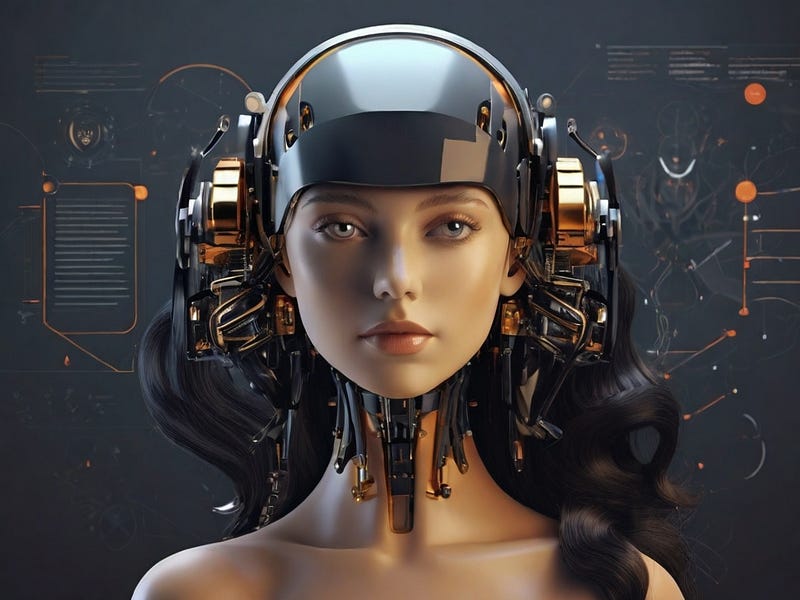
In the dynamic world of User Experience (UX) design, the fusion of human creativity and cutting-edge technology is reshaping the way designers craft digital experiences. This journey explores a curated selection of Top 20 AI Tools for UX Designers in 2024, each a collaborator in the designer’s quest to bring imagination to life and create compelling, user-centric digital landscapes.
Creativity Woven with AI Magic
The intersection of artificial intelligence (AI) and UX design is akin to a symphony where human creativity takes center stage, guided by the nuanced melodies of advanced technology. This article is your companion, unraveling the potential of AI tools that empower UX designers to transform visions into immersive digital experiences.
Here is my top 20 list:
1. Adobe Sensei
2. Sketch2React
3. RunwayML
4. Framer
6. Adobe XD Auto-Animate
7. Emotion AI by Affectiva
8. Prott
9. Canva Pro
10. Lunacy
11. Voiceflow
12. UXPin
13. Miro
14. Gliffy
15. Marvel
16. Daz 3D
17. Looka
18. Visme
19. Piktochart
20. Whimsical

Adobe Sensei: Your Design Enchanter
At the core of AI-driven design lies Adobe Sensei, a wizard-like assistant for UX designers. Seamlessly integrated into Adobe’s creative suite, it introduces features like automatic image tagging and font matching. By automating routine tasks, Adobe Sensei liberates designers to focus on the essence of their work — innovation and storytelling.
Sketch2React: Bridging Creativity and Code with Grace
The transition from static designs to interactive prototypes is a dance every UX designer knows well. Sketch2React, fueled by AI, transforms this dance into a seamless collaboration. Recognizing design elements and converting them into code snippets, it acts as a bridge, ensuring a graceful transition between designers and developers while preserving the soul of the design.
RunwayML: AI-Powered Visual Symphony
For designers eager to venture into generative art and interactive graphics, RunwayML is the gateway to a creative adventure. Unleashing a library of pre-trained machine learning models, it invites UX designers to infuse AI-generated content into their projects. From dynamic visuals to responsive layouts, RunwayML adds a new layer to the canvas of creativity.
Framer: AI-Infused Prototyping Elegance
Framer, a versatile design and prototyping tool, incorporates AI to elevate the prototyping process. With AI-generated animations and interactions, Framer empowers designers to craft realistic and intuitive prototypes. The result is a more authentic preview of the final user experience, fostering collaboration and harmony within design teams.
ContentBot by OpenAI: Crafting Narratives with AI Flair
In the intricate dance of UX design, compelling copy is the partner to captivating visuals. ContentBot by OpenAI steps into this dance, assisting designers in generating engaging and user-friendly copy. Comprehending contextual prompts, it produces text that seamlessly aligns with the design narrative, ensuring coherence across the user journey.
Adobe XD Auto-Animate: Motion Design with AI Grace
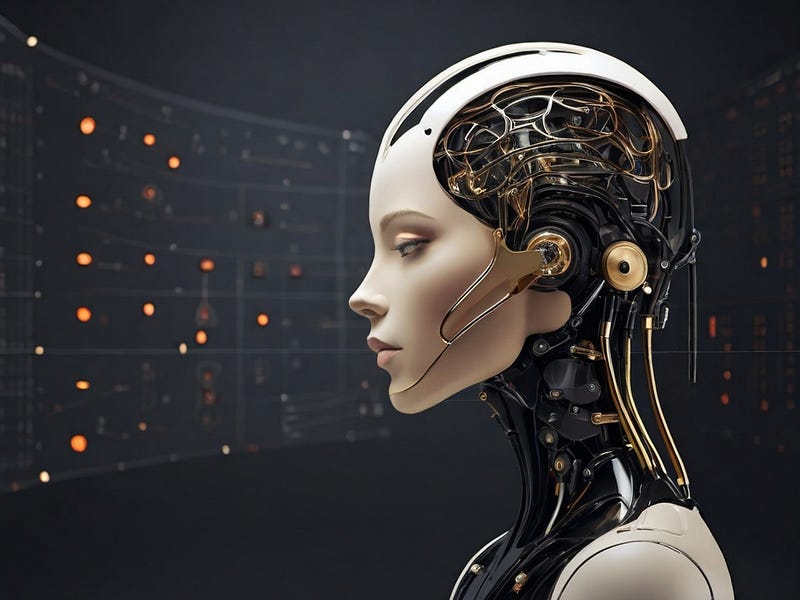
Motion design, a poetic expression in modern UX, finds simplicity with Adobe XD (Like Figma) Auto-Animate. This feature, powered by AI, automates transitions and animations based on design elements. By enhancing fluidity and visual appeal, it makes motion design accessible to all designers, bringing a touch of grace to the user interface.
Emotion AI by Affectiva: Connecting on a Human Level
Understanding user emotions is the heartbeat of empathetic designs. Emotion AI by Affectiva, with its facial recognition and emotion analysis, becomes the bridge to this connection. UX designers can use this data to craft interfaces that resonate emotionally, creating experiences that touch users on a deeper, more meaningful level.
Prott: AI-Enhanced Collaboration Harmony
Prott, embracing AI, becomes the orchestrator of seamless design collaboration. Through automated version control, design suggestions, and feedback analysis, it enhances teamwork. AI-driven insights guide designers, ensuring the iterative design process remains efficient and focused, a harmonious symphony of collaboration.
Canva Pro: AI-Driven Design Accessibility
Canva Pro, a beloved tool in the designer’s repertoire, integrates AI to streamline the design process. With its magic resize feature, it automagically adjusts designs to fit various formats. AI-driven design suggestions and template recommendations elevate the creative possibilities, making design accessible to both novices and seasoned designers.
Lunacy: AI-Powered Design Companion for Windows
Lunacy, tailored for Windows users, incorporates AI to simplify graphic design tasks. Its intuitive interface and AI-based suggestions accelerate the design workflow. From generating color palettes to suggesting font combinations, Lunacy becomes a thoughtful design companion, catering to the unique needs of Windows-centric UX designers.
Voiceflow: AI in Conversation Design
In the era of conversational interfaces, Voiceflow emerges as a key player, integrating AI into conversation design. Designers can leverage its AI capabilities to simulate and optimize voice interactions. By understanding user inputs and providing real-time feedback, Voiceflow ensures that voice-based user experiences are not just functional but also user-friendly and engaging.
UXPin: AI-Boosted Design Systems
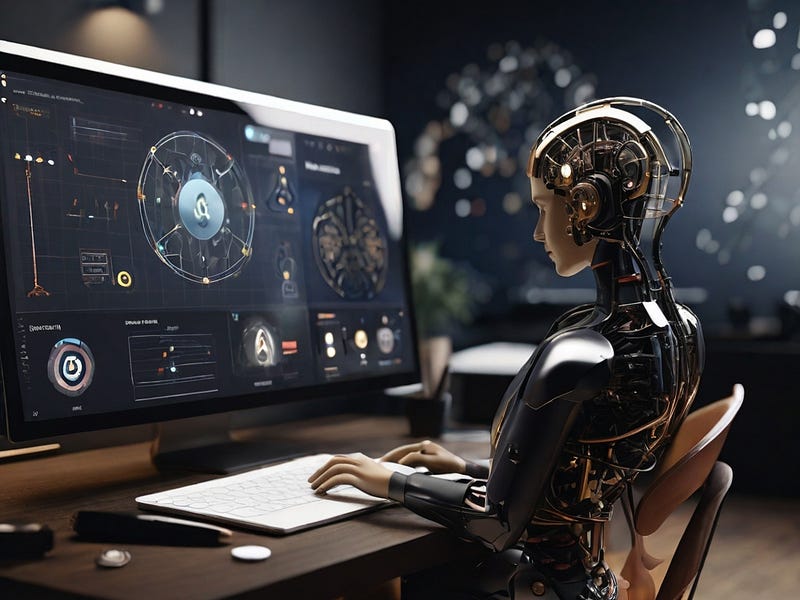
UXPin, a comprehensive design platform, incorporates AI to enhance design systems. It automates the maintenance of design libraries and ensures consistency across projects. By intelligently suggesting design elements based on user behavior and industry trends, UXPin becomes an invaluable tool for designers aiming to create cohesive and up-to-date design systems.
Miro: AI-Fueled Collaboration Canvas
Miro (one of my favorite), a collaborative online whiteboard, integrates AI to amplify teamwork and ideation. With features like smart shapes and automated diagramming, Miro becomes an intelligent canvas for UX designers. The AI-driven collaboration experience ensures that ideas flow seamlessly, transforming the digital canvas into a dynamic space for creative expression.
Gliffy: Diagramming with AI Precision
Gliffy, a diagramming tool, incorporates AI to simplify the creation of visual representations. With intelligent shape recognition and automatic diagram formatting, Gliffy streamlines the process of translating ideas into visual concepts. The result is a precise and visually appealing representation of complex information, aiding UX designers in effective communication.
Marvel: AI-Infused Prototyping Brilliance
Marvel, known for its prototyping prowess, integrates AI to elevate the prototyping experience. With AI-driven suggestions for interactions and animations, Marvel empowers designers to create prototypes that mirror the richness of the final user experience. The result is a prototyping process that combines efficiency with a touch of creative flair.
Daz 3D: AI-Generated 3D Modeling
In the realm of 3D design, Daz 3D stands out with its integration of AI for content creation. AI algorithms assist in generating lifelike 3D models, characters, and scenes. UX designers exploring 3D elements in their interfaces can leverage Daz 3D to bring a new dimension of realism and creativity to their digital designs.
Looka: AI-Driven Logo Design
For designers in need of a quick and AI-infused logo creation process, Looka steps in as a handy tool. Using machine learning, Looka analyzes design preferences and generates customized logos. This AI-driven approach not only accelerates the logo design process but also ensures that logos align with the brand aesthetics and convey the desired message.
Visme: AI-Powered Infographic Creation
Visme, an infographic creation tool, incorporates AI to enhance the design of visual content. From suggesting layout options to automating data visualization, Visme streamlines the creation of engaging infographics. UX designers can leverage these AI-driven features to present information in a visually compelling manner, ensuring clarity and impact in their designs.
Piktochart: AI-Enhanced Visual Storytelling
Piktochart, renowned for visual storytelling, integrates AI to augment the creation of infographics and presentations. With AI-driven design suggestions and layout recommendations, Piktochart becomes a virtual design assistant. UX designers can efficiently convey complex information through compelling visuals, leveraging Piktochart’s AI-infused capabilities.
Whimsical: AI-Powered Wireframing and Flowcharts
Whimsical, a tool for wireframing and flowchart creation, integrates AI to simplify the design planning process. With intelligent suggestions for flowchart elements and automated wireframing features, Whimsical accelerates the initial stages of UX design. Designers can ideate and structure their projects efficiently, thanks to the AI-driven capabilities of Whimsical.
Conclusion: Navigating the AI-Infused Design
As UX designers embark on this creative odyssey infused with AI, these Top 20 AI Tools for UX Designers in 2024 become more than mere assistants they are companions on a journey of innovation. From automating tasks to infusing dynamic elements into designs, AI tools catalyze creativity. Embracing these technologies empowers designers to not only meet but surpass user expectations, creating digital experiences that linger in the hearts of users. The collaboration between human ingenuity and artificial intelligence propels UX design into a future where creativity knows no bounds. Let the enchanting adventure unfold!


