
Tomb of Prophet Daniel: Iran’s Sole Surviving Ancient Prophet’s Tomb
Introduction to the Prophet Daniel’s Tomb
The Tomb of Prophet Daniel stands as a significant historical and religious site in Iran, revered by both Muslims and Jews as the final resting place of the prophet Daniel. Located in the city of Susa, the ancient tomb attracts pilgrims and tourists from around the world who seek to explore its rich cultural and architectural heritage. This article delves into the historical significance, architecture, preservation efforts, legends, and controversies surrounding Iran’s sole surviving prophet’s tomb, shedding light on its unique features and artifacts, as well as its role in Iranian pilgrimage sites.
Historical Significance of the Tomb of Prophet Daniel
The Tomb of Prophet Daniel holds immense historical significance as it is believed to be the resting place of one of the most revered prophets in Abrahamic religions. According to biblical accounts, Daniel served as a counselor to the Babylonian king Nebuchadnezzar and Persian king Darius. His prophetic visions and wisdom were highly esteemed during his time. The tomb symbolizes the connection between ancient civilizations and their religious beliefs, making it a valuable archaeological and spiritual site.
Location and Architecture of the Ancient Tomb
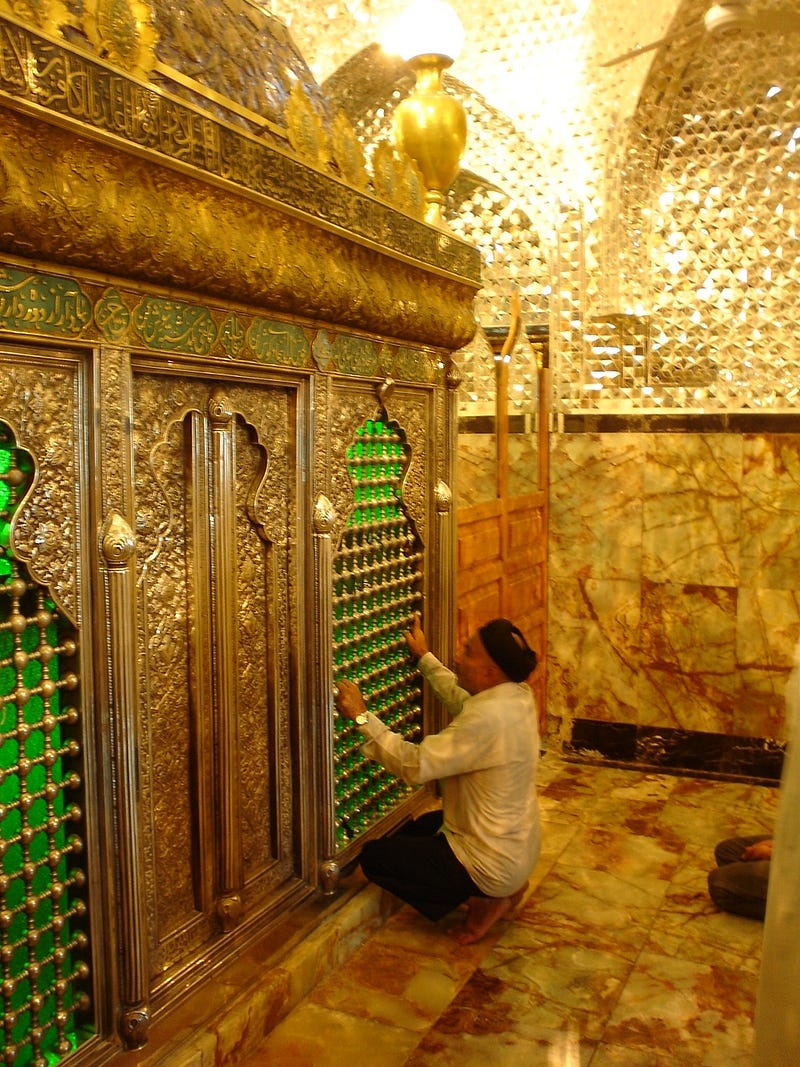
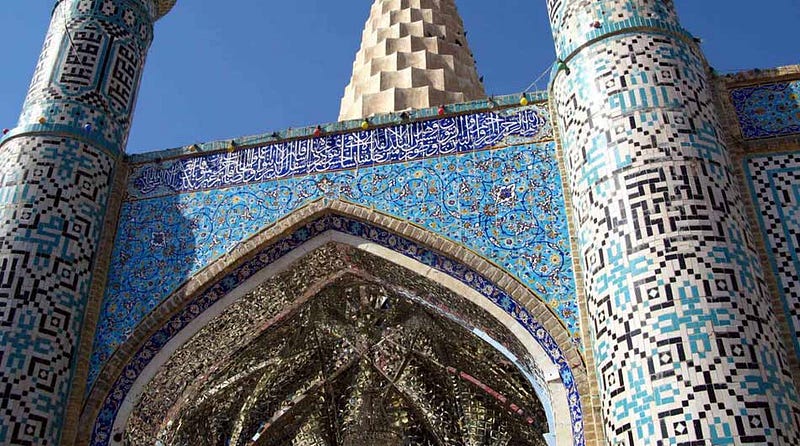
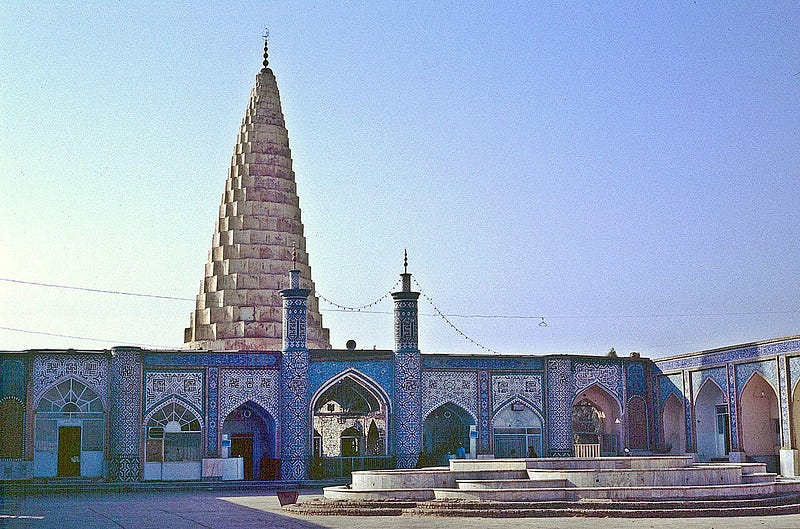
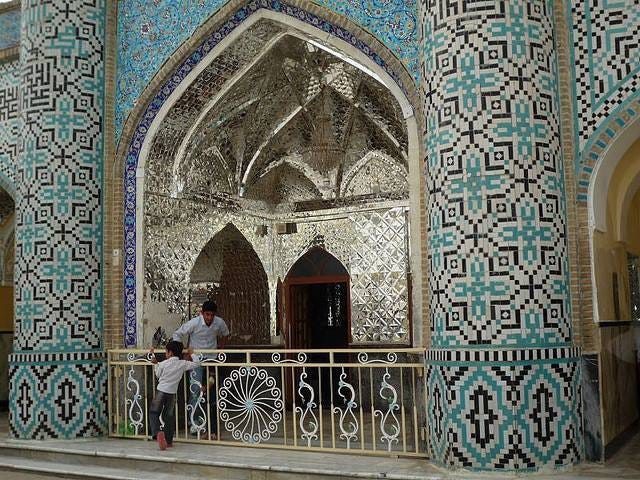
Situated in Susa, a city in Khuzestan province of Iran, the Tomb of Prophet Daniel showcases a blend of architectural styles influenced by different periods of Iranian history. The exterior of the tomb boasts intricate brickwork, blue-tiled domes, and beautifully carved calligraphy, typical of Persian architecture. Inside, visitors can explore the main burial chamber, adorned with ornate motifs and inscriptions. The tomb’s architecture reflects the cultural diversity and artistic heritage that shaped the region throughout history.
Preservation Efforts for Iran’s Sole Surviving Prophet’s Tomb
Preservation efforts to maintain the historical and architectural integrity of the Tomb of Prophet Daniel have been a priority for the Iranian government. The tomb has undergone extensive restoration and conservation work to ensure its structural stability and protect its fragile artifacts. Collaborative efforts between archaeologists, architects, and conservators have successfully preserved the tomb’s unique features and prevented further deterioration.
The Legend Surrounding the Tomb of Prophet Daniel
The legend surrounding the Tomb of Prophet Daniel adds to its allure. According to local folklore, a giant snake guarding the tomb protects the prophet’s remains from harm. This legend has intrigued and captivated visitors for centuries, fostering a sense of mystery and reverence for the site. Despite the absence of historical evidence supporting this legend, it has become an integral part of the cultural heritage associated with the tomb.
Cultural and Religious Importance of the Tomb
The Tomb of Prophet Daniel holds immense cultural and religious importance for both Muslims and Jews. Muslims revere Daniel as a prophet, considering him to be a prominent figure in Islamic history. The tomb’s religious significance attracts pilgrims who seek spiritual solace and blessings. For Jews, the tomb represents a symbol of their historical presence in Iran, and it is believed to have been a place of worship for the Jewish community in Susa for centuries.
Role of the Tomb in Iranian Pilgrimage Sites
As one of Iran’s most significant pilgrimage sites, the Tomb of Prophet Daniel attracts thousands of pilgrims each year. Devotees from various parts of Iran and beyond visit the tomb to pay homage, seek blessings, and offer prayers. The vibrant religious ceremonies and festivals associated with the tomb contribute to the rich tapestry of Iranian pilgrimage sites, fostering a sense of unity and faith among the pilgrims.
Within the Tomb of Prophet Daniel, visitors can explore a variety of unique features and artifacts. The intricate calligraphy adorning the walls showcases the mastery of Persian craftsmen, while the elaborate domes and arches highlight the architectural grandeur of the tomb. The presence of ancient inscriptions and artifacts provides valuable insights into the historical and cultural context in which the tomb was constructed.
Visitors to the Tomb of Prophet Daniel can expect a captivating and immersive experience. The serene atmosphere, coupled with the rich cultural and historical context, offers a unique journey into the past. The tomb is easily accessible, with organized tours and local guides available to provide insights into its history and significance. However, visitors should be mindful of cultural sensitivities and adhere to respectful behavior while exploring the site.
Current State and Future of the Prophet Daniel’s Tomb
Currently, the Tomb of Prophet Daniel stands as a well-preserved and revered historical site. The Iranian government continues to invest in its preservation and maintenance to ensure its longevity. As the tomb attracts increasing numbers of visitors each year, efforts are also being made to enhance the visitor experience and promote tourism in the region. The future of the tomb looks promising, with ongoing initiatives aiming to safeguard its historical legacy.
The Enduring Legacy of the Ancient Tomb
The Tomb of Prophet Daniel in Iran stands as a testament to the rich historical, religious, and cultural heritage of the region. With its unique architecture, artifacts, and legends, the tomb continues to captivate visitors and scholars alike. Serving as a significant pilgrimage site, it remains a focal point for those seeking spiritual solace and insights into the ancient world. The enduring legacy of the tomb lies not only in its physical presence but also in the profound impact it has on individuals who encounter its historical and spiritual depth. Iran had about 75,000 Jewish citizens. In recent years it witnessed about 500 reverse migration from Palestine. Current Jewish population of Iran stands about 75,500 citizens.