
Tolerance Is Not What You Think
Remove this barrier from schools because it blocks healthy relationships between parents and educators instead of building them

“To be tolerant means to have the capacity to bear something although, at times, it may be unpleasant, and to tolerate differences means to endure them although not necessarily to embrace them.”
-Dr. Sonia Nieto, Multicultural Researcher and Professor-
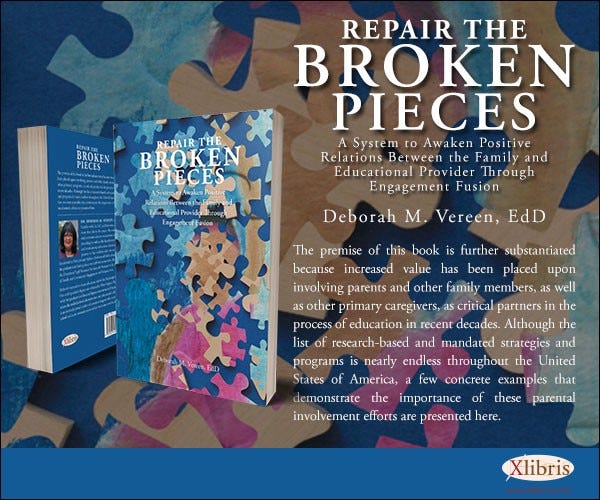
The topic of tolerance is thoroughly covered in my self published book entitled “Repair the Broken Pieces: A System to Awaken Positive Relations Between the Family and Educational Provider Through Engagement Fusion”. Insights found in chapter three of my book called “Tolerance: Aloof, Spiritless Engagement” will be shared in this article.
While intended to be a guide to help educators take the lead in developing authentic relationships with the parents that they serve, the information contained in this book that I have added in this article applies to
anyone
devoted to building and maintaining authentic relationships with others.
Tolerance is misrepresented throughout our global village. It is considered to be a praiseworthy interpersonal trait to possess.
This is especially true when the topic of tolerance is examined through a lens that builds healthy personal and professional relationships, cultural acceptance, and cultural relevance.
It seems as though a widespread awareness of tolerance has become a popular and politically correct mindset. The result if that this way of thinking is now prevalent throughout many different area of our society.
Here are some of the reasons why I believe that tolerance is celebrated by so many people in so many places today.
- People who advocate for tolerance proudly wear their beliefs about their limited knowledge of this word like a badge of honor. Such people view the word tolerance as ultimately good.
- Organizations courageously display the word tolerance in their mission, vision, and core value statements. This is done to reinforce systemic efforts to embrace diversity.
- Various publications enthusiastically cite tolerance as the cure for solving racial, gender, economic, religious, immigration, and social conflict and to ease the resulting tension that typically erupts. Those who write such literary works maintain an erroneous outlook because their ideas which support their opinion of tolerance cannot help change the behavior of those who create the problems.
- Some people praise the act of tolerance for its healing properties within a social movement. These individuals endeavor to prove that tolerance is the answer to the social ills that thrive today.
- Tolerance has been used to thoughtfully memorialize others who once possessed admirable empathetic, compassionate, and overall humanistic qualities. Such people are celebrated for being agents of change through tolerance.
The list of inaccuracies associated with the misleading word tolerance is
never ending.

Here Is The Real Truth

This is the
harsh reality.
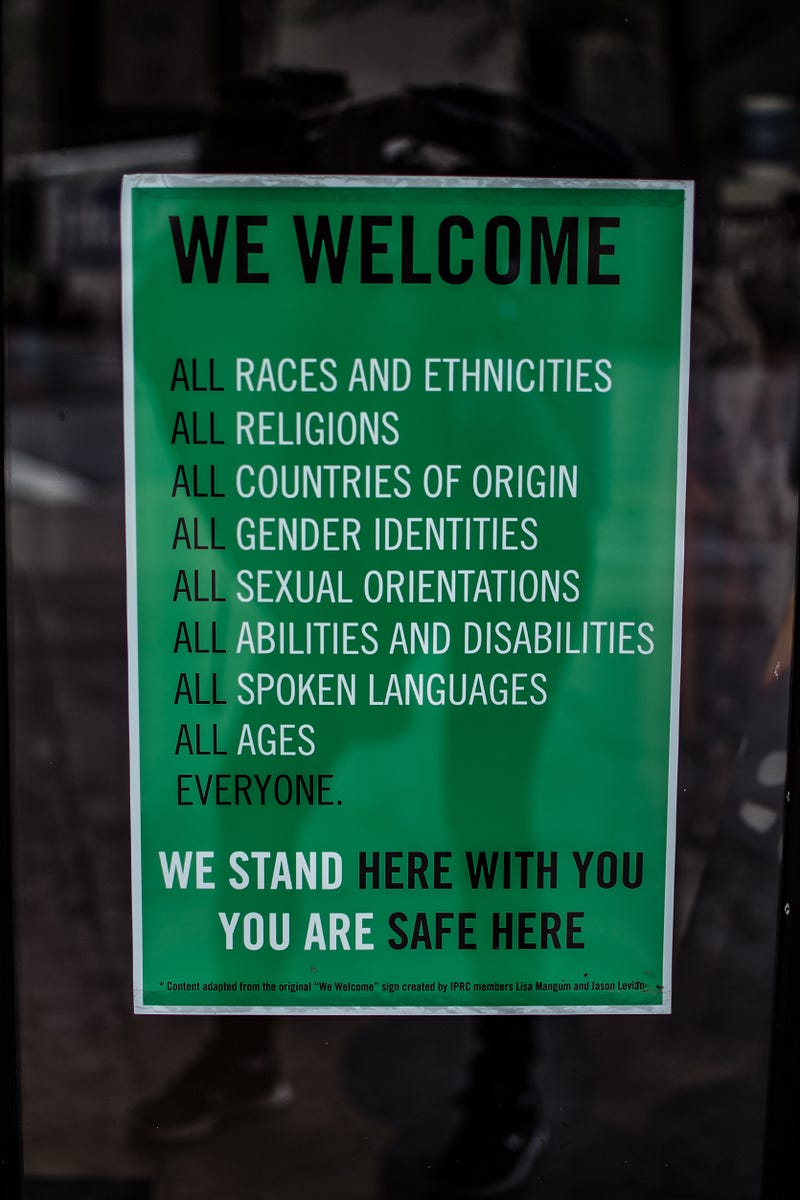
It is wrong for tolerance to be popularized and eagerly accepted as a positive character trait because of the true meaning of the word. Tolerance means to put up with something. It accentuates a level of discomfort in the process of getting to know, working with, and accepting as well as respecting others individually or within a specified group of people.
Those who tolerate others or distastefully accept them, including all of the diverse qualities that makes them uniquely individual, actually breed negativity. While they may not be able to articulate it, people who are tolerated naturally know when another person merely puts up with them.
Several derogatory outcomes that block the development of healthy relationships result when a person believes that tolerance is a good interpersonal attribute to actively promote.
- The inner spirit of those who are tolerated breaks when others fake acceptance and respect.
- Those who tolerate others build hidden barriers of relational isolation, distrust, inferiority, and suspicion that really cannot be penetrated.
- Those who only endure other people tend to display demeaning outward tendencies. This includes talking to those that they tolerate in a manner that communicates their feelings of entitlement and dominance. Tolerant people may also instigate verbal power struggles with those that they put up with. Unfortunately, those who are tolerated are forced to feel oppressed, suppressed, and powerless.
- The nonverbal messages communicated by those who tolerate others draws attention to their superior disposition. Some of these derogatory cues include: the poor use of eye contact like not looking at the person or dramatically rolling the eyes while speaking; inappropriate use of voice quality such as speaking in a loud and demeaning manner; and gestures including but not limited to crossing the arms across the chest during discourse.
The idea of tolerance must be abandoned.

Instead, individuals must endeavor to spotlight
acceptance and respect.
Acceptance represents a willful act of approval that overrides the harmful perspective of tolerance.
Respect also combats the negativity that tolerance breeds by emphasizing admiration for another.
Through acceptance and respect,
positive, genuine, purposeful, long-lasting, and unconditional relationships
are developed and sustained.
Here’s my golden ticket that helps me accomplish my mission.
Dr. Deborah M. Vereen is a retired Family and Consumer Sciences Teacher, Principal, Director of Pupil Personnel Services, Assistant to the Superintendent for Family and Community Engagement, and Professor of Multicultural Education. Her e-learning course and social media platforms can be accessed on her website at www.Drdeborahmvereen.com and she is dedicating the rest of her life to serving as a Global Family Engagement Influencer.


