
What Does Today’s Peasant Look Like?
Exploring the Concept of a Peasant in America and How They Navigate in Today’s Society.
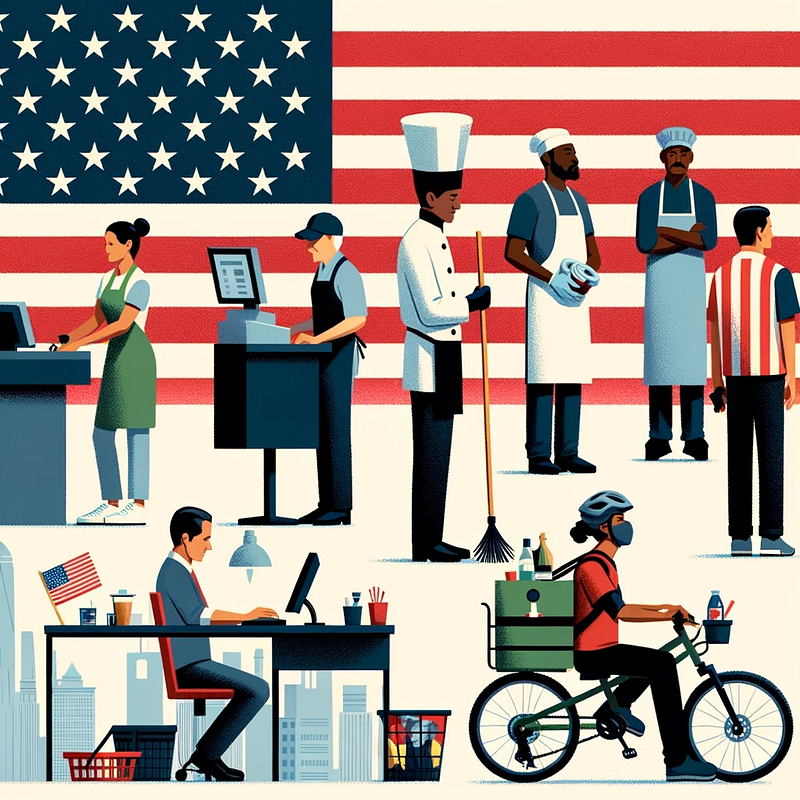
When thinking of a peasant, my mind often goes back to medieval times. A time where a few ruled and peasants scrapped by just enough. They were defined as low-status agricultural laborers with little to no land ownership. Their lives revolved around subsistence farming, providing just enough to sustain their families.
In modern America, the term “peasant” conceptually aligns with individuals in low-wage, low-skill occupations. Unlike their historical counterparts, these modern “peasants” aren’t tied to the land but to economic circumstances that restrict their standard of living. They are the unseen backbone of society, often overlooked despite their essential contributions.
Obviously, things have changed since medieval times, but the construct remains similar: the constant grind for just enough. The pressure becomes immense day after day. When I see peasants depicted in films, I can’t help but to feel sympathy for them.
Then, one day, I was listening to a history podcast that mentioned peasants. This wasn’t the focal point of the podcast, but it made me wonder who a modern peasant would be. Am I a 21st-century peasant? Let’s find out.
Note to Readers: We writers don’t get paid unless Medium subscribers engage with the article — be it through 👏 claps, reading for at least 30 seconds, or leaving a comment. Your support helps us continue to create valuable content. Thank you so much! 👍
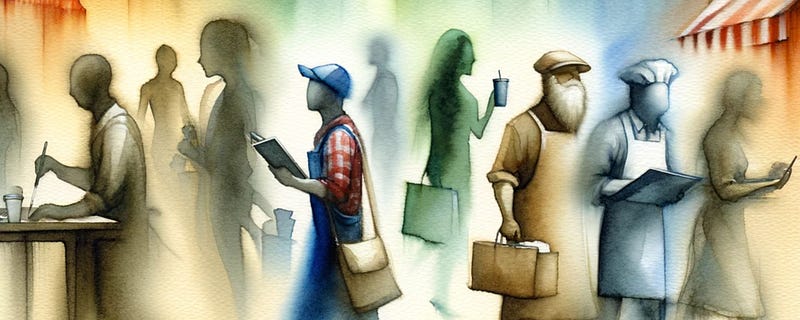
Modern Peasant
I’m not an expert, but I brainstormed for a bit to think of the types of jobs that would classify someone as a modern-day peasant. Here’s a list I came up with. Feel free to add more in the comment section.
Retail Workers: Often the face of consumer service, these workers endure erratic hours, part-time schedules, and low wages. The retail industry is marked by high turnover and limited opportunities for advancement, making financial stability a constant challenge. Many retail workers lack access to essential benefits like healthcare, highlighting the broader issue of insufficient worker protections in the service sector.
Food Service Employees: These workers operate in high-pressure environments with minimal pay. The reliance on tips for income in many places leads to financial instability and underscores the problematic wage structures in the hospitality industry. The lack of standardized benefits such as paid sick leave or healthcare in this sector often forces workers to choose between health and a paycheck, reflecting broader issues of worker rights and welfare.
Janitorial Staff: Janitors work behind the scenes in cleaning and maintenance, typically for low wages and with little public recognition. The physically demanding nature of the job, combined with exposure to chemicals and other hazards, raises concerns about workplace safety and health risks. Many in this field are immigrants or part of minority groups, highlighting issues of inequality and the undervaluation of labor performed predominantly by marginalized communities.
Hospitality Workers: Employees in the hospitality sector, especially in lower-level positions, face long hours, unpredictable schedules, and low pay. The reliance on seasonal work and the high incidence of wage theft in this industry exacerbate their economic vulnerability. This sector’s challenges reflect the broader issues of income inequality and the need for labor protections in service-oriented industries.
Warehouse Workers: The rise of e-commerce has increased demand for warehouse workers, who often face grueling work conditions, strict productivity requirements, and the risk of injury. Despite the critical role they play in the supply chain, these workers frequently lack job security and adequate healthcare, highlighting the disconnect between the essential nature of their work and the compensation and benefits they receive.
Gig Economy Workers: Gig workers, such as ride-share drivers or delivery couriers, face unpredictable income, lack of job security, and absence of traditional employment benefits like healthcare and retirement plans. This sector epitomizes the challenges of the modern labor market, where flexibility often comes at the cost of financial stability and worker protections.
Agricultural Workers: Farm workers are essential to food production but are often subjected to harsh working conditions, exposure to pesticides, and low wages. Many are migrant workers or undocumented, making them vulnerable to exploitation and less likely to have access to healthcare or legal protections, spotlighting issues of immigration and labor rights in the agricultural sector.
Construction Workers: Engaged in physically demanding labor, construction workers face safety hazards, yet often lack comprehensive health insurance and job security. The prevalence of under-the-table payment in this industry not only denies workers legal protections but also reflects broader issues of undocumented labor and the need for regulatory reforms in the construction sector.
Each of these roles, from retail to construction workers, plays a crucial part in the functioning of society. Despite their importance, these workers are often marginalized, revealing deep systemic issues, including income inequality with a widening gap between the highest and lowest earners.
Lack of healthcare access compounds the problem, as many in these sectors do not receive benefits, leaving them vulnerable during illness or injury. Inadequate labor protections further exacerbate their plight, as they face unsafe working conditions, job insecurity, and a lack of legal recourse against unfair practices.
This combination of challenges underscores a fundamental disconnect in our society: while these workers provide vital services, their recognition and compensation are disproportionately low. This imbalance demands a rethinking of our societal framework, pushing for a future where every worker’s contribution is not only acknowledged but also equitably compensated and respected.
We must align our economic structures and policies to genuinely reflect the value of all labor, ensuring the backbone of our daily lives is supported, not merely in words but in tangible, meaningful ways. These changes should encompass areas beyond the paycheck. Investments in accessible and comprehensive healthcare, secondary education, and affordable housing can make a significant difference.
Accessible and comprehensive healthcare ensures that workers can maintain their health without the fear of financial ruin. Thousands of Americans die every year due to avoiding healthcare because of cost. Investment in secondary education and skill development opens doors for career advancement and higher earning potential. Affordable housing initiatives can provide stability and security, freeing workers from the constant anxiety of high living costs.
The introduction of robust social safety nets, such as unemployment benefits, food assistance programs, and child care support, can cushion the blow of economic downturns and personal crises. These safety nets not only provide immediate relief but also contribute to long-term societal stability by ensuring that the workforce remains healthy, educated, and prepared to contribute meaningfully to the economy.
The need for these changes goes beyond economic sensibility; it touches on the moral fabric of our society. Recognizing the dignity of every job and providing equitable support to all workers reflects a commitment to fairness and justice.
If our peasants, I mean workers, are supporting society, shouldn’t society support the workers?
👉 Let’s Keep the Conversation Going:
- What was your biggest takeaway from this article?
- Is there a point you agree or disagree with? I’d love to hear your perspective.
- Do you have a personal experience that relates to the topic? Your stories make these discussions richer.
- Are there any questions or topics you’d like me to cover in future posts?
🙏 Your Voice Matters: By taking a moment to comment, you’re helping to elevate this conversation and make these discussions more dynamic and accessible to a broader audience.
So, let’s keep the dialogue alive and flowing! Your interaction is not just welcomed — it’s encouraged!
Thank you for being an integral part of this community. I’m eager to hear your thoughts!