
Today I Didn’t FEEL Like Going To the Gym
But I went anyways
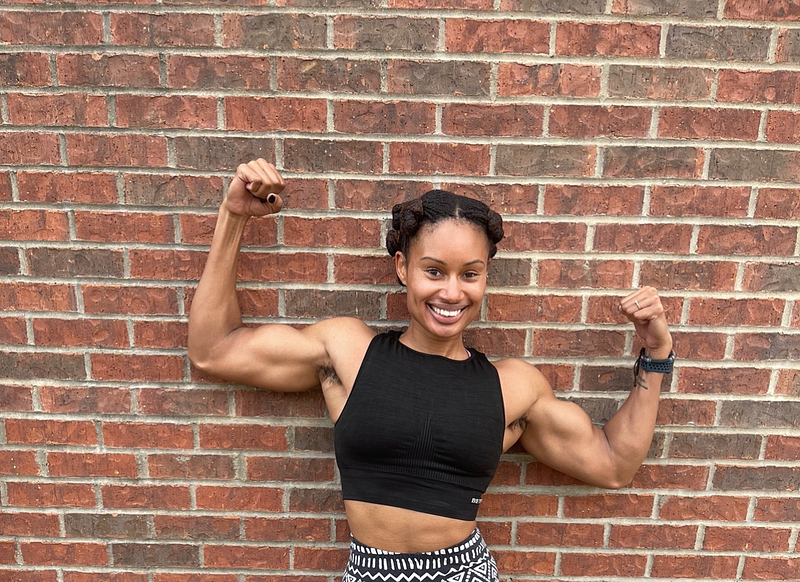
Two excuses I thought to myself were the following:
Excuse #1: I can go tomorrow.
Excuse #2: My legs are still sore, so another rest day would be okay since today is leg day.
But I decided to go to the gym anyway. I had to neglect and not act on my feelings because I would have been further away from my fitness goals if I had given in to my feelings. Furthermore, a little less discipline here and there adds up over time and can carry over into other aspects of our lives.
“[…] it’s tempting to throw discipline and order to the wind and go with what feels right — but if our many youthful regrets are any indication, what feels right right now doesn’t always stand up well over time.” — The Daily Stoic, p111
Don’t let your feelings corrupt your progress.
The Trouble With Our Senses
“Listen to your body” is what we often hear from self-gurus, and this advice can be helpful at times. But if we always listened to our bodies, we probably wouldn't accomplish and reach all our goals. If I know one thing for sure, it’s that our bodies, feelings, senses, perceptions, impulses, and thoughts can often lead us astray.
A spiritual guru will say that it’s important to “let your body guide you.” A friend trying to help us with a difficult decision might ask, “What feels right here?”
These approaches to decision-making contradict voluminous case studies in which people’s instincts [feelings] have led them right into trouble. Our senses are wrong all the time!” — The Daily Stoic, p111
Cultivate Awareness To Effectively Decipher Feelings
So what can we do to accurately determine if we need to progress or pause (take a break and rest)? “Part of stoicism is cultivating the awareness that allows you to step back and analyze your own senses, question their accuracy, and proceed only with the positive and constructive ones. […] Hold your senses suspect.” There will be seasons in our lives where our minds, bodies, and souls need more rest. There will be other seasons of our lives where though we might not feel as energetic, we can keep working and progressing forward to move closer to our goals — and by doing this, our well-being will not be negatively affected but cultivated to be more disciplined and resilient.
Emotional Maturity
I went to the gym because I could see past my feelings. I knew that the workout would benefit my physical well-being and my mental, spiritual, and emotional well-being. I knew that the pain, effort, and inconvenience that the workout seemed to bring, would actually provide more benefits than sitting this one [workout] out.
There have been countless times I did not feel like working out — especially while maintaining 2 full-time jobs (including writing) and part-time teaching. Even when I was still in school, I experienced the same feelings. But if I listened to my feelings all those times I did not feel like working out, I would not have arrived at my current fitness level.
One aspect of emotional maturity is consistently doing the hard sh** and the things you don’t feel like doing to reach your goals.
Keep going. Learn when to ignore your feelings and when to listen to your feelings; if you can do this — effectively — you will always progress.
Grab your FREE books — Here. Wanna keep in touch? Connect with me on Instagram: @textdestiny, Facebook: @textdestiny, or destinyh.com


