avatarChinmay Bhalerao

Free AI web copilot to create summaries, insights and extended knowledge, download it at here

2128

Abstract

li>computer science,</li><li>linguistics,</li><li>neuroscience,</li><li>philosophy,</li><li>psychology</li></ul><p id="df3f">while the list of related fields is continually expanding.</p><p id="d931">The capability of AI is already beginning to aid cognitive science, both as a model for formulating and testing theories about how the brain computes and as a tool for processing intricate data sets.</p><p id="ea64">AI will eventually integrate into our society, but it will take a lot of work to first master independent thought and emotions. While cognitive scientists will utilize AI to mimic human intellect, eventually AI will use cognitive science to comprehend humans more fully. It will encourage the capacity for learning new things, assist rational decision-making, and offer practical insights to people. The future is smoother for us and smarter for AI.</p><figure id="545f"><img src="https://cdn-images-1.readmedium.com/v2/resize:fit:800/0*2m6l1XB8Z9Jo5SWF"><figcaption>Photo by <a href="https://unsplash.com/@davidmatos?utm_source=medium&amp;utm_medium=referral">David Matos</a> on <a href="https://unsplash.com?utm_source=medium&amp;utm_medium=referral">Unsplash</a></figcaption></figure><p id="2b9b">In light of ongoing advancements and technological innovation, it may be said that the next 20 years will be fascinating for AI researchers. This is due to the fact that the human mind is excellently capable of carrying out a variety of mental and physical tasks without placing undue strain on the brain. The future of human brain simulation is predicted to involve the development of nanotechnology, which aims to increase the speed and memory of computer gear. Additionally, contemporary cognitive science AI theories are examined to further our understanding of the brain and the mind.</p><p id="ff89">Via developing smart agent scopes. It might be emphasized that there are other ways to go about humongous cognitive simulation, also known as macro-modeling, in the context of cognitive research.</p><figure id="7a12"><img src="https://cdn-images-1.readmedium.com/v2/resize:fit:800/0*XH_a30D4z-yuyFFW"><figc

Options

aption>Photo by <a href="https://unsplash.com/@edurnetx?utm_source=medium&amp;utm_medium=referral">Edurne Tx</a> on <a href="https://unsplash.com?utm_source=medium&amp;utm_medium=referral">Unsplash</a></figcaption></figure><p id="d7ee">Today’s world places the majority of its emphasis solely on the procedure in its cognitive simulations. These simulations use manually created inputs and manually evaluated outputs.</p><p id="5e60">As a result, handling massive amounts of data becomes challenging for people. Therefore, it is believed that macro-emergence modelings will be useful in capturing a wider perspective or dimension of human psychology.</p><p id="f00f">The use of customized service is the result of cognitive science AI, enabling people to rely on and design rich and customized user experiences. To be more precise, this cutting-edge application enables a company to prioritize articles because they are the means through which users’ experiences can be enhanced.</p><p id="45f9">Users are happier when the content is more pertinent to their needs. Microsoft Azure’s cognitive services include Personaliser Preview, which provides reinforcement learning-based functionality.</p><p id="e7ab">Reinforcement learning is a method that enables AI to improve goals based on personalized configuration and was developed in response to the results of several studies in this area.</p><h1 id="b7f9">Footnote: Human is the most random thing in the world!!!</h1><p id="4ba8">References :</p><blockquote id="a348"><p>1]<a href="http://www2.fiit.stuba.sk/~kvasnicka/Free%20books/Umela_inteligencia_a_kognitivna_veda_IV.pdf"> Artificial Intelligence and Cognitive Science IV</a></p></blockquote><blockquote id="403e"><p>2]<a href="https://www.expresscomputer.in/artificial-intelligence-ai/the-future-of-ai-is-smart-with-cognitive-science/43694/">The Future Of AI Is “Smart” With Cognitive Science</a></p></blockquote><blockquote id="6770"><p>3]<a href="https://www.routledge.com/rsc/downloads/Cognitive_Science_and_Artificial_Intelligence.pdf">COGNITIVE SCIENCE AND ARTIFICIAL INTELLIGENCE</a></p></blockquote></article></body>

“To understand humans better”: Cognitive science and AI
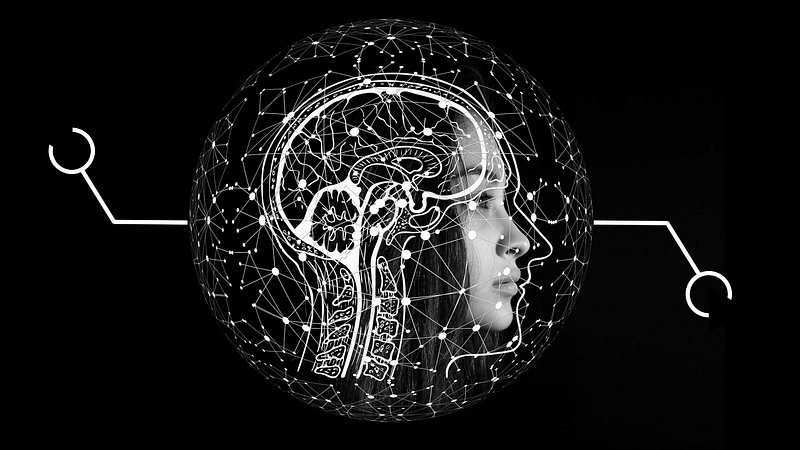
Becoming human: Artificial intelligence magazine

“To understand humans better” ….

Today’s scientific research domains of cognitive science and artificial intelligence (AI) each have distinct autonomy and research goals. The Oxford Dictionary provides a definition for the phrase “Artificial Intelligence.” as “the theory and creation of task-performing computer systems”

Visual perception, speech recognition, decision-making, and language translation are among the tasks that typically need human intelligence, but

“The study of cognition, learning, and mental organization” is the definition of science. It incorporates elements from computer science, language, psychology, and philosophy modeling”.

Cognitive science :

The study of how the mind operates, interacts, and performs is known as cognitive science. To fully comprehend how the brain makes decisions or completes tasks, cognitive science as a topic of study must integrate a number of already-existing disciplines, such as philosophy, neuroscience, or artificial intelligence.

Photo by C M on Unsplash

The traditional fields of cognitive science include

  • anthropology,
  • computer science,
  • linguistics,
  • neuroscience,
  • philosophy,
  • psychology

while the list of related fields is continually expanding.

The capability of AI is already beginning to aid cognitive science, both as a model for formulating and testing theories about how the brain computes and as a tool for processing intricate data sets.

AI will eventually integrate into our society, but it will take a lot of work to first master independent thought and emotions. While cognitive scientists will utilize AI to mimic human intellect, eventually AI will use cognitive science to comprehend humans more fully. It will encourage the capacity for learning new things, assist rational decision-making, and offer practical insights to people. The future is smoother for us and smarter for AI.
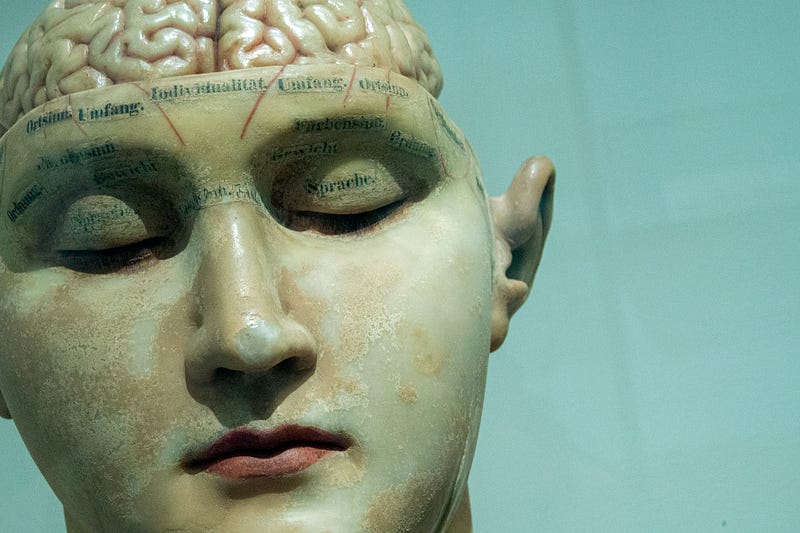
Photo by David Matos on Unsplash

In light of ongoing advancements and technological innovation, it may be said that the next 20 years will be fascinating for AI researchers. This is due to the fact that the human mind is excellently capable of carrying out a variety of mental and physical tasks without placing undue strain on the brain. The future of human brain simulation is predicted to involve the development of nanotechnology, which aims to increase the speed and memory of computer gear. Additionally, contemporary cognitive science AI theories are examined to further our understanding of the brain and the mind.

Via developing smart agent scopes. It might be emphasized that there are other ways to go about humongous cognitive simulation, also known as macro-modeling, in the context of cognitive research.

Photo by Edurne Tx on Unsplash

Today’s world places the majority of its emphasis solely on the procedure in its cognitive simulations. These simulations use manually created inputs and manually evaluated outputs.

As a result, handling massive amounts of data becomes challenging for people. Therefore, it is believed that macro-emergence modelings will be useful in capturing a wider perspective or dimension of human psychology.

The use of customized service is the result of cognitive science AI, enabling people to rely on and design rich and customized user experiences. To be more precise, this cutting-edge application enables a company to prioritize articles because they are the means through which users’ experiences can be enhanced.

Users are happier when the content is more pertinent to their needs. Microsoft Azure’s cognitive services include Personaliser Preview, which provides reinforcement learning-based functionality.

Reinforcement learning is a method that enables AI to improve goals based on personalized configuration and was developed in response to the results of several studies in this area.

Footnote: Human is the most random thing in the world!!!

References :

1] Artificial Intelligence and Cognitive Science IV

2]The Future Of AI Is “Smart” With Cognitive Science

3]COGNITIVE SCIENCE AND ARTIFICIAL INTELLIGENCE

Cognitive Science
AI
Humanity
Technology
3 Minutes
Recommended from ReadMedium