
BBC Garden Restoration with Rebellious Newts and Rabbits
Hosted by Penelope Keith from 1980s sitcom ‘To the Manor Born’
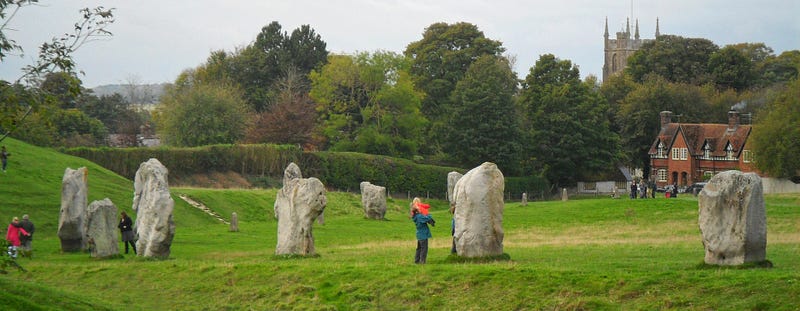
Avebury in Wilshire, England, is best known for its huge Stone Circle, the biggest in Europe, predating Stonehenge. It’s a magnet for tourists and spiritual pilgrims. People visit from far and wide to see this magical place of mystery and enchantment.
Back in 2011 however, the spotlight shifted to nearby Avebury Manor, where the BBC filmed ‘The Manor Reborn’ — a gardening programme hosted by Penelope Keith from the 1980s sitcom ‘To the Manor Born’ and Paul Martin from the BBC’s ‘Flog It’.
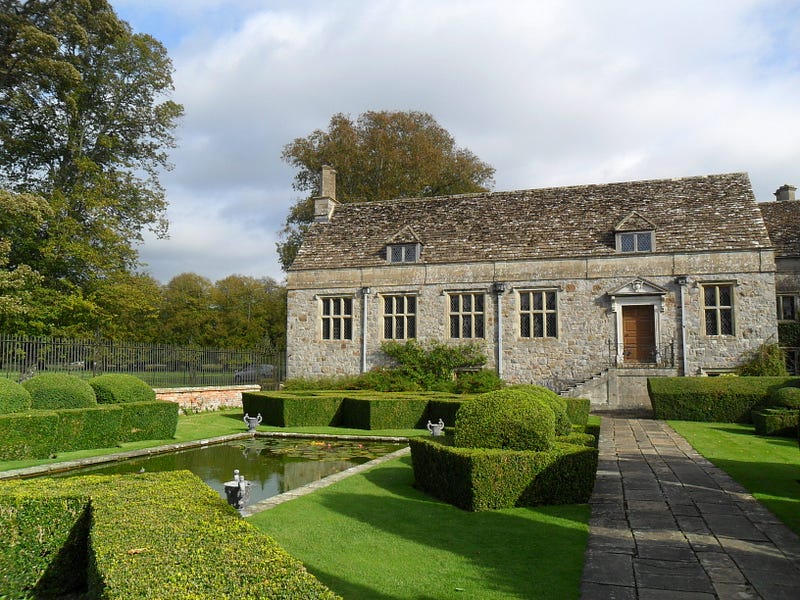
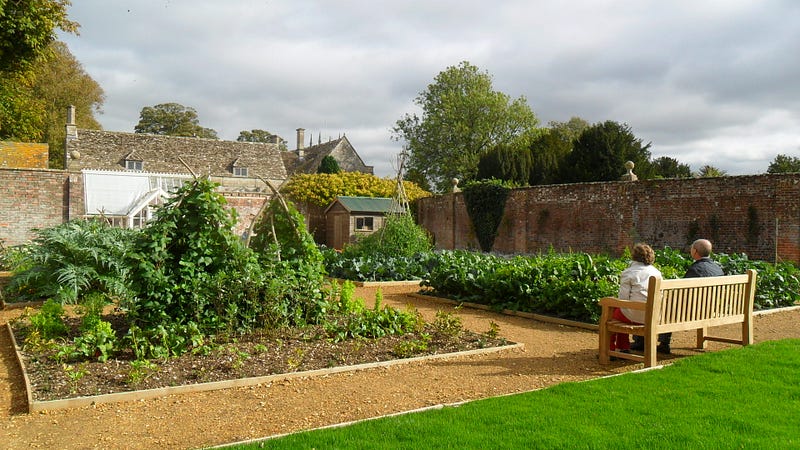
Avebury Manor is a 16th century mansion occupying the site of a former priory. It has a historic kitchen garden which prior to filming, had fallen into disrepair. This walled garden was restored as part of the renovation project — transformed from an overgrown wasteland, into a Victorian kitchen garden fit for the Lord and Lady of the Manor.
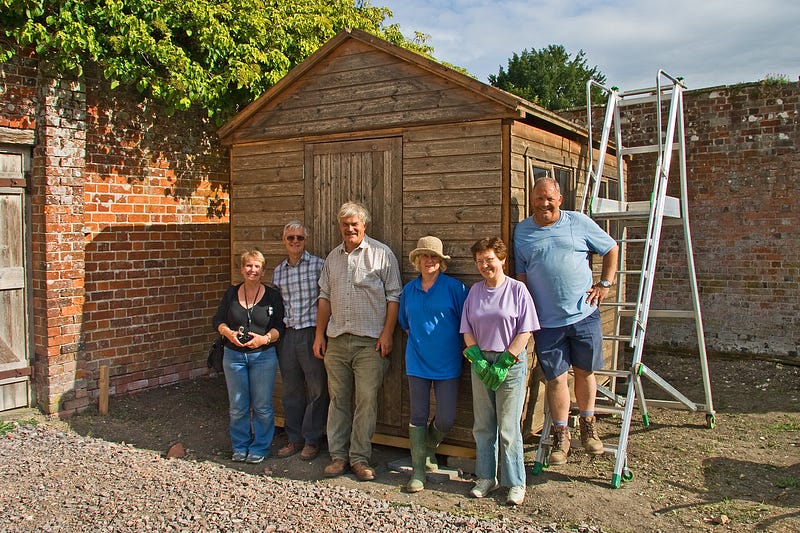
The project attracted volunteers from around the country, keen to tackle the renovation of the house and walled garden. Some travelled from the BBC television centre in London, whilst others joined the team from colleges, or Avebury village itself.
I was lucky enough to get a viewing of the newly restored kitchen garden, just days after the BBC had finished filming.
See what’s been achieved!
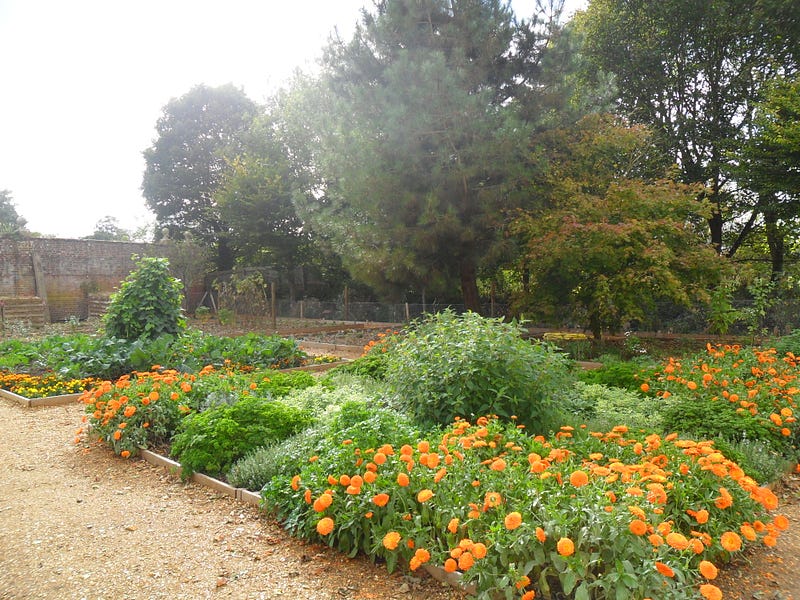
I entered the walled garden through the old wooden doorway and a splash of colour from the beds penetrated the Autumn gloom, bringing a bright summer feeling to the hazy October day.
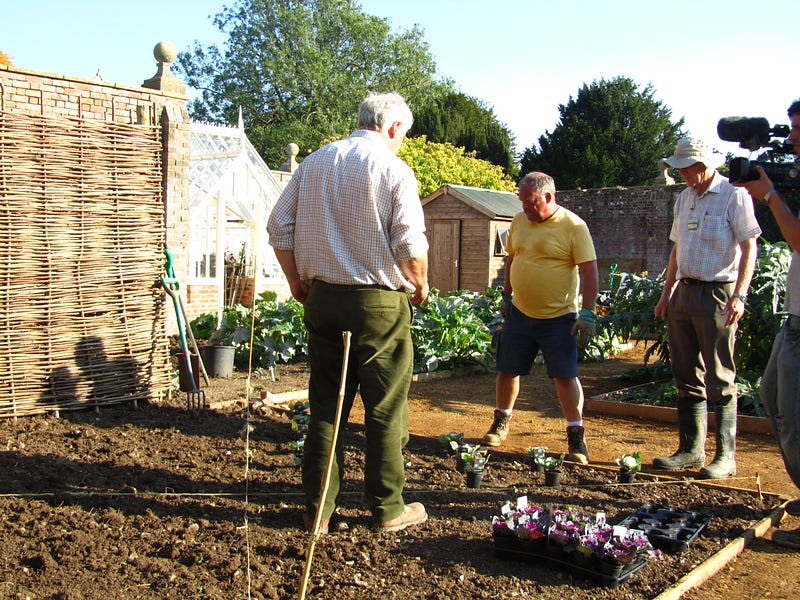
Richard Bradshaw, a volunteer on the restoration project, gave me insight to some of the garden activities and highlights during filming. He had been appointed to work in the garden under the guidance of David Howard, the former head gardener to Prince Charles at Highgrove, who was leading the garden restoration. Richard’s role was to coordinate the activities of the other volunteers.
He was quite excited about the whole restoration project and started by telling me how some of the garden features became integrated into the restoration of the house: “The Chinese room is my favourite room,” he said, “It’s small at about 10 foot square, with four doors. The black walls are hand-painted with ivy, branches, birds and pansies. Even the newts, rabbits and flowers from the garden have made it onto the wallpaper! There was a good repartee going on between the house restoration team and the people restoring the walled garden which is particularly well reflected in the Chinese room.”
He went on to tell me about a nice surprise: “On the first day, the BBC laid on this fantastic food wagon. I’d already eaten when I arrived in the morning, only to find breakfast waiting, followed by a buffet lunch at noon! It was a one-off treat to motivate the volunteers on the first day, but over the weeks ahead, they always provided a nice sandwich lunch.
“We began by creating the paths. There were guys shovelling aggregate into wheelbarrows and others wheeling stones from a pile outside, into the garden. They were laid into pathways, with textile used to keep the weeds at bay. Barrow upon barrow of stones kept arriving, all day long. It was a heavy day and some of the volunteers needed a break before they joined the work party again, but they came back eventually.”
Embracing the challenge
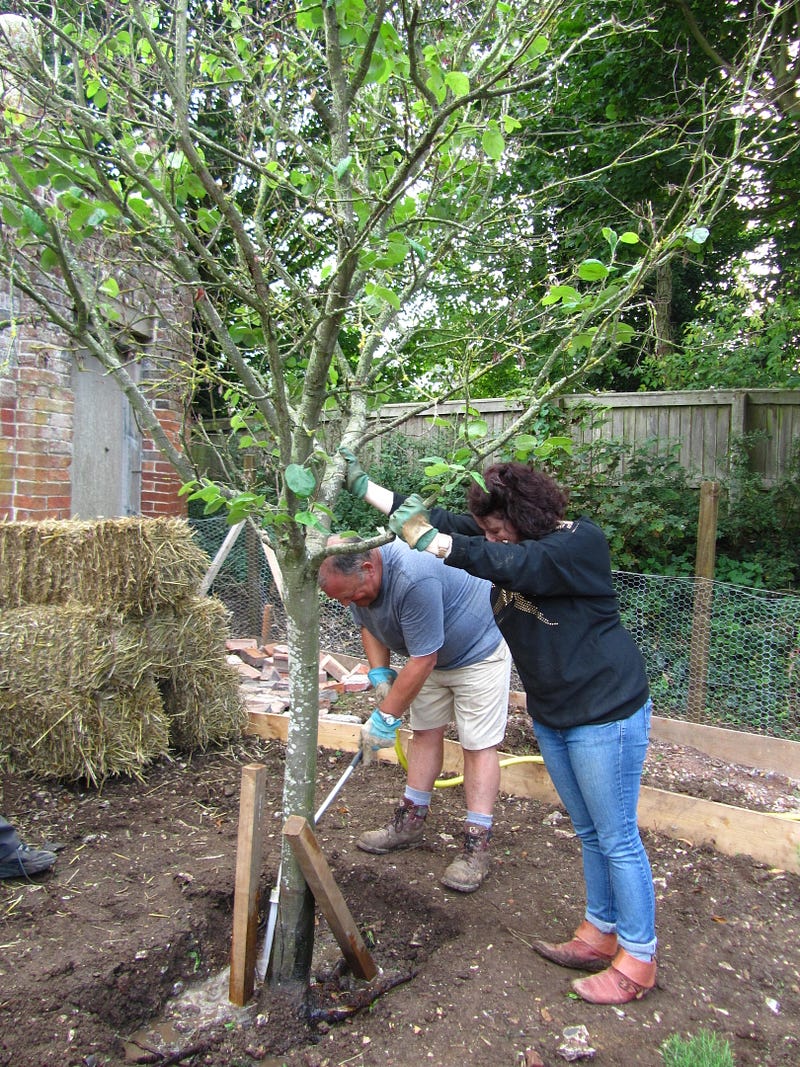
What were the biggest challenges? “Job allocation according to who had turned up to volunteer,” said Richard. “Most of the volunteers were not in the first flush of youth, but when we needed a rabbit fence erected one foot underground, they started digging enthusiastically. On completion however, the fence was still a bit loose so we all worked together to tighten it up and secure the posts into concrete. This worked well and looked a lot neater.
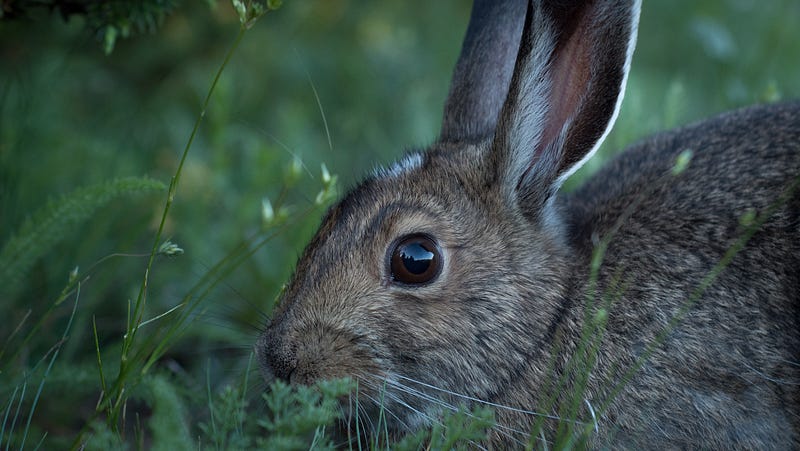
“There was an incident with a rabbit after we had erected the fence. We noticed the crops were being eaten, but didn’t find the culprit until we were filming one day. David got us to spread out in a line facing the rabbit and walk together towards the rabbit fence. The rabbit ran towards the fence and David was able to catch it and release it outside of the garden. On its release, it stood there looking startled for a moment, before bouncing away with its little white tail bobbing up as it went. That was a great moment.”
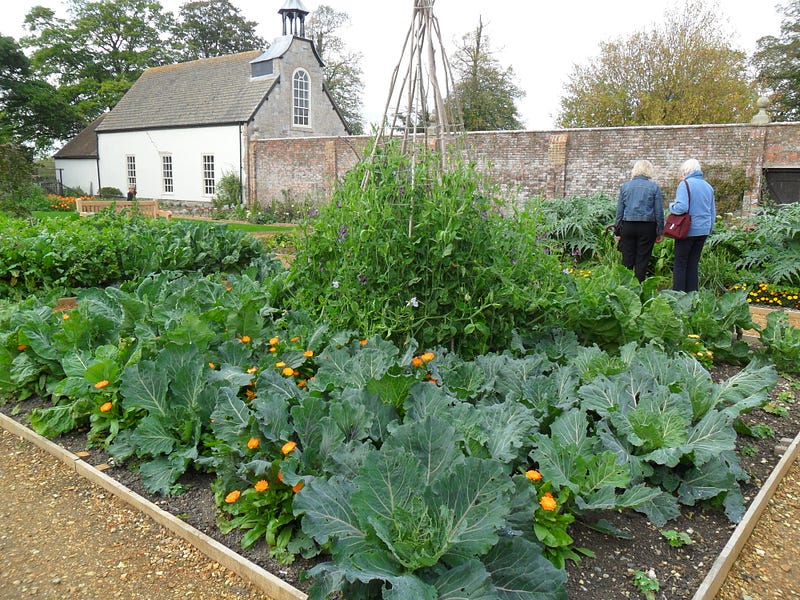
After the paths were laid, the work party dug out and prepared the plots. By the early spring they were planting crops, and by the Autumn, they had a harvest to be proud of including squashes, cauliflowers, beans, cabbages, strawberries and a variety of fruits.
“You might think we did things the wrong way round,” said Richard, “Routine work like weeding was left until relatively late in the project because it wasn’t very interesting and the crew wanted to film activities with more visual impact. Our work priorities were based on what made good television.”
He told me about the rush trying to get everything ready for the garden to be opened to the public in October: “We had to move a compost heap to the end of the garden and rushed to get all the planting finished. We’ve put in ornamental cabbages for the winter period so that visitors during the cold months have something visually pleasing to enjoy. The crops that we harvest will be used in the restaurant and shop.
What next?
“The next challenge is how to maintain the garden and manage visitors’ expectations. We want to maintain the traditional Victorian kitchen garden that the BBC and volunteers have built. We briefly considered turning the plots into allotments for local people to use, but decided that would result in a lot of similar plots. So we established a team of volunteers to help maintain the Victorian kitchen garden.”
Newt Manor
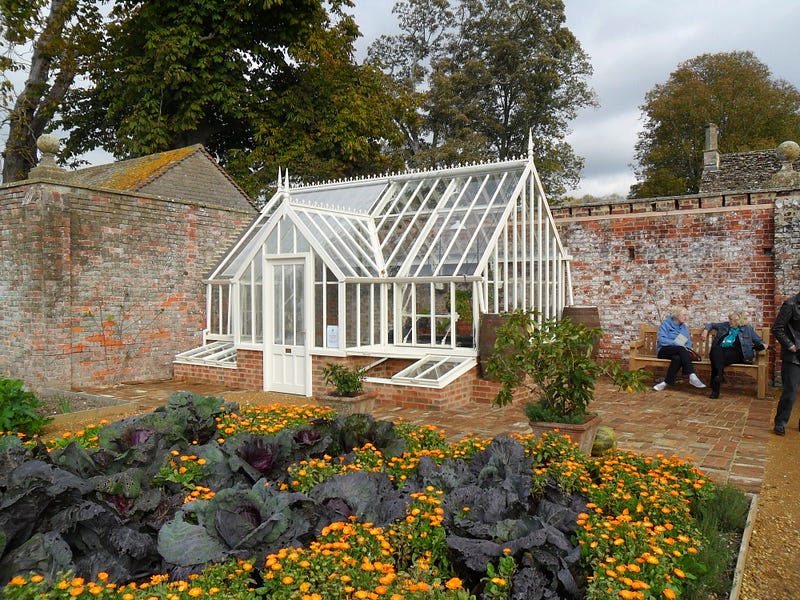
I asked Richard to tell me more about ‘Newt Manor’, a residence at the bottom of the garden for great crested newts, and the story behind the greenhouse which heralds a sign reading: “We’re moving in when the newts move out!”
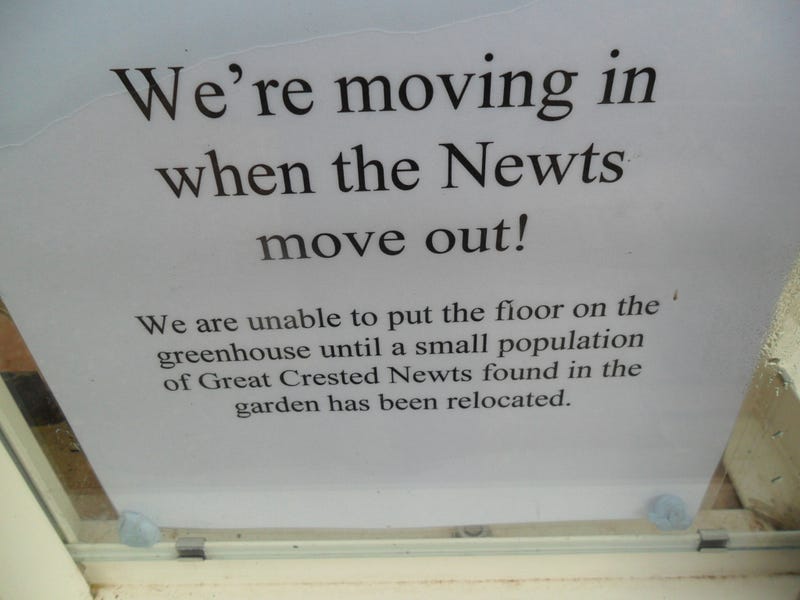
He explained: “The greenhouse was built as part of the project and we didn’t realise until we came to lay the floor that great crested newts were living underneath the stones. We had erected the building around them! It is the hottest part of the garden, so it is easy to see the attraction of this sunny spot over the winter. The completion of the greenhouse has been put on hold until the newts move out.
“Newt Manor was built afterwards, to lure the great crested newts out of the greenhouse. It is constructed of large stones, with wooden planks to ensure there is no danger of it collapsing. It has a little newt-sized alley running into it, smaller rocks on top, and a wooden roof, topped with soil and turf.”
Despite the rush, the renovation team did manage to get the project finished, and the result is an inspirational array of colourful plots alive with flowers and vegetables.
In the extended grounds, the Trust has planted a small orchard with quinces, damsons, hawthorn and mulberry trees. Figs and blackcurrants adorn the walls. The original orchard, dating back to 1695, contains some unusual varieties of Wiltshire apples including Bedwyn Beauty, Chorister Boy and Roundway Magnum Bonum.
Visit www.nationaltrust.org.uk/avebury for more information.
© Susie Kearley


