
To Neuralink and Beyond: Emerging Issues in Neurotechnology
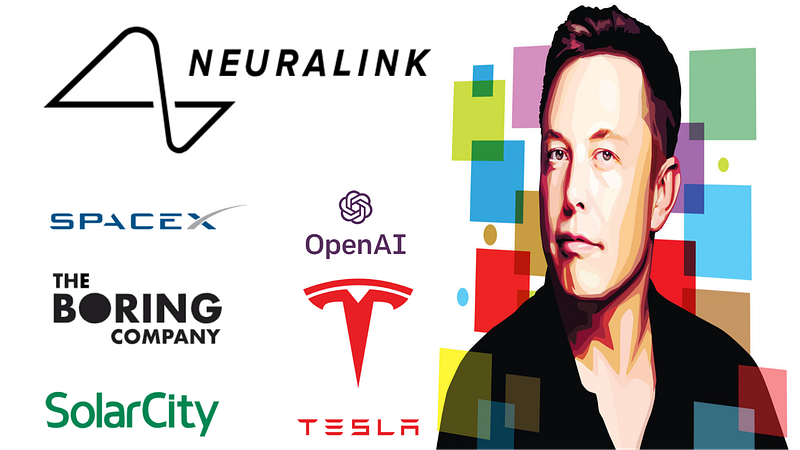
Elon Musk, armed with resolve and charisma, aims to radically innovate our society and infrastructure. His ventures tackle everything from rocket development, to solar energy production, to long-range transportation using high-speed underground trains. And now his newest company, Neuralink, aims to develop implantable brain-computer interfaces. While other neurotech companies focus on technology and manufacturing, Neuralink ventures into biology and neuroengineering. Over the short lifetime of Neuralink, it has already faced criticism from neuroscientists, experienced difficulty retaining talent and missed the mark on some of its more ambitious goals and promises.
Those familiar with Tesla, Musk’s electric car company, will also be familiar with the entrepreneur’s habit of making big, impressive promises. Unfortunately, Tesla routinely misses its manufacturing goals (see some examples here, here and here). Yet when these manufacturing goals are not met, no one is harmed. The stakes are higher with medical devices. And while boastful demonstrations may allow Neuralink to attract more talent and funding, they may also mislead the public. How do these grandiose presentations impact our perceptions of neurotechnology, and, on a larger scale, our perceptions of science and medicine?
A Brief History of Neuralink
Neuralink was first publicly reported in 2017. Despite many early announcements and press releases, the company was not entirely transparent about its goals or technology. Their simple website featured only a minimalist logo and a call for job applications. Neuralink captivated my imagination. A fascinating write-up on Wait But Why painted a rosy picture of what Neuralink might become. While initially focused on innovating the bandwidth and implantation process for brain-computer interfaces, Musk openly hoped that Neuralink’s research could ultimately lead to his long-term goal of melding our brains with artificial intelligence, and along the way, their work would create competition, driving further innovation in the neurotechnology industry.
Musk’s 2019 demonstration showcased a small, high bandwidth device implanted in a rat brain. It also revealed technology that allowed a monkey to use a computer. Musk even claimed that Neuralink would begin human trials by the second quarter of 2020, sparking much public excitement. However, at the time of their subsequent 2020 demonstration, only three of the eight initial founders of Neuralink remained on the board, and StatNews reported that Neuralink’s deadlines and delivery pressures often clashed with the slow and deliberate pace of science. This fueled a perception that Musk was disconnected from the scientific process, hoping to rush the impossible. It is expected that companies pursuing scientific technology and research publish their work in peer-reviewed journals — something that Neuralink has not done to date.
While the motto of “move fast and break things” is common amongst Silicon Valley tech start-ups, medical device development and scientific research often simply cannot be rushed. Errors within purposefully methodical development processes risk severely impacting the lives of patients; unlike a Tesla Model 3, an implanted brain device has huge implications for its host’s health. Abandoning a moral obligation to respect the institution of science may cost Musk a public perception of trustworthiness, competence and goodwill. It is imperative, then, for manufacturers to demonstrate that the people developing novel neurotechnologies are qualified, diligent and ethical. Only this way can they build trust with the general public they hope will adopt these new technologies.
With these problems in mind, Neuralink promised to demonstrate a new prototype in August 2020. Though initially excited about the demo, I was, in the end, left disappointed.
Neuralink’s 2020 Demonstration
Neuralink’s livestreamed demonstration was followed live by many hobbyists, scientists and journalists. Coverage in major publications reached millions, piquing curiosity globally. While engaging with this large and diverse audience is quite an achievement, the presentation included many speculative elements. In science communication, it is necessary to address technological limitations and gaps in existing knowledge. Otherwise, a lack of clear delineation between fiction and reality muddles the audience’s expectations.
Musk presented brain-computer interfaces as a solution to all psychiatric and mental health problems: addiction, memory loss, stroke and more. He continued his trend of neuroscience theatre by parading pigs fitted with ‘link’ devices, beeping and booping as they detected electrical signals within the pigs’ brains. Finally, Musk and his team answered a few softball questions regarding their technology, reiterating that the demo served mainly to recruit new employees. I want to touch on some issues for which no substantive evidence was presented or has yet been made available.
While many different medical conditions were discussed, no plan for human trials was presented. During the Q&A session, it was revealed that the team hoped to tackle paralysis first. However, they shared no timeline for an emerging human study. It is important to note here that Neuralink has been awarded Breakthrough Device Designation by the FDA. While they are now, finally, proceeding with a human trial, it is coming much later than promised and they have presented no information detailing exactly what kind of trial will be conducted.
The scientific community hasn’t yet presented sufficient evidence to suggest that brain-computer interfaces would modify psychiatric diseases to the same extent as other approved treatments, such as those that modify electrical signaling in the brain. Although recently deep brain stimulation has shown some effectiveness in treating major depressive disorder and obsessive-compulsive disorder, it is unclear if other brain-modulating technologies — such as Musk’s ‘link’ — would improve on these therapeutic outcomes. It is misleading to offer up the Neuralink as a solution for a cornucopia of brain and mental health disorders.
Neuralink, Neurotech and Trust
During the NeuroCAS workshop in 2018, researchers and entrepreneurs discussed future challenges facing the neurotechnology industry. Among other issues, they noted a lack of regulatory pathways to facilitate the translation of research into real-world impact. If countries provide only loose regulation, neurotechnologies may be developed and implemented via unsafe and unethical procedures. Brain-computer-interfaces wouldn’t be the first high-concept treatment to lead people to travel to different countries to undergo an experimental procedure. Highly stringent regulation, on the other hand, may stifle innovation.
When people don’t understand technology, for example, due to a lack of transparency, they may make worse choices for their health. Ample research demonstrates the harms caused by illicit stem-cell and gene therapy clinics around the world. A further salient example involves the proliferation of antioxidant supplements, studied decades ago as modulators of inflammation and disease. Perceptions of these supplements lead to widespread adoption by both healthy people and those with disease — the antioxidant market is estimated to exceed $2 billion worldwide — despite broad claims regarding their health benefits remaining unsubstantiated. Other evidence suggests that overhyping of non-evidence-based treatments may lead cancer patients to delay traditional treatments and turn to alternative therapies, which may result in dangerous drug interactions. Ultimately, much harm may arise as a result of medical tourism leading to strongly held beliefs in unproven treatments. With the emergence of neurotechnology, and potential mishandling of promotion of these technologies, it is reasonable to be concerned that brain implants may add to this list of medical tourism victims.
In addition, intersectional issues must be considered. Distrust in the medical establishment as a whole due to institutionalised and systemic racism is well-evidenced to prevent people of colour from seeking treatments. AI algorithms are often vulnerable to racial bias (see evidence here, here, here). Mirroring a lack of diversity in medicinal clinical trials (see here), trials involving medical devices also often employ homogeneous populations, making it difficult to assess the safety of these devices for use by traditionally marginalised groups. If intersectional issues are not addressed, at best adoption of legitimate medical neurotech may face reticence, and at worst individuals from understudied backgrounds may suffer undue harm.
A New Framework for Equitable Neurotechnology
Neuralink’s stark reality clashes with the shining image offered to the public during their various demonstrations. While Musk presents the vision of a company advancing quickly towards a “Fitbit in your skull”, its scientists are pressured by impossible deadlines; pressure which may lead to a more stressful work environment for employees and even scientific misconduct. It is telling that many of Neuralink’s founding scientists have left.
Little formal research assesses public trust in neurotechnology companies. With recent scandals involving racism in AI or the role of facial recognition in surveilling minority populations, any appraisal may be far from rosy. A company like Neuralink, focused on human symbiosis with artificial intelligence, must address risks around trust long before their technology can be successfully rolled out.
Neurotech needs innovators to honestly communicate science. Neurotech needs bioethicists to ensure that both companies and consumers understand potential benefits, harms and limitations. Neurotech is incredible all on its own without the unjust hype of science theatre. Those who seek further truths are more than capable of understanding the nuances involved in developing these technologies. And if the hype is true, then manufacturers should be excited to share these incredible realities of neurotechnology with the world.
Neurotechnology enthusiasts deserve to know more about these advances. We want to hear from healthcare professionals and scientists about reasonable timelines, in addition to more speculative goals. We need clear delineation between what is conjecture and what is evidence. We demand demonstrations replacing neuroscience theatre with transparency and nuance. We must understand the limitations of technology, to prevent the proliferation of neurotech snake-oil. We have a responsibility to understand and address intersectional issues intertwined in medicine, neuroscience and AI, before we can reach symbiosis.
Written by Simon Spichak, edited by Simon Geukes and Garrett Flynn, with artwork by Vishal Pandey.
Simon Spichak is a science communicator with expertise in neuroscience microbiome. He is an advocate for mental health and a trash panda enthusiast. Check out more from Simon at simonspichak.substack.com. Pronouns: He/him
Simon Guekes recently graduated from the University of Amsterdam with a MSc in Cognitive Neurobiology and Clinical Neurophysiology.
Garrett Flynn is a creative technologist working at the intersection of neurotechnology, ethics, and interactive media.
Vishal Pandey is a neurotech enthusiast, learner and researcher.