
To My Fellow ‘Unorthodox’ Asian-Americans
Stand up for yourself and tell your story
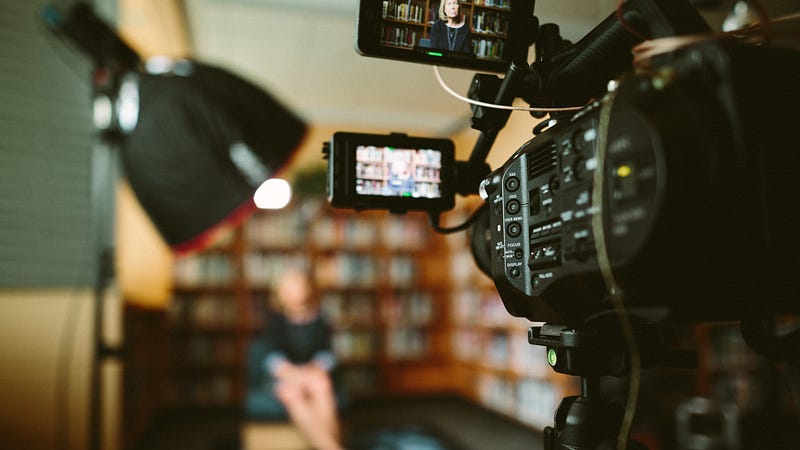
The teleprompter was just the right speed for my eleven-year-old self, the lights were just the right amount of brightness, and the red glow coming from the ‘CNN’ logo shined on my face as I read that day’s breaking news.
Five years later, there was still a glow, just from the yellow lights in the House Chamber as I stood and read my testimony on behalf of all student journalists in Virginia.
My goal in life isn’t to cure cancer or solve world peace, it’s to use my words as my power. As a young Indian-American woman, my potential career choice is unorthodox, nontraditional. So, it’s no surprise that I can’t remember the last time I didn’t lie to someone when they asked me what my plans in life were.
It’s not that I didn’t want to tell them, but in the Asian-American community, there’s only a select few career choices: doctor, engineer, computer scientist, maybe a career in business or law, if you’re lucky. People will stare at you in distaste if you dare to say anything outside of those fields. They’ll question your parents: “Why are you letting your child pursue something so useless?” When it came to talking about wanting to be a journalist with friends of my parents who were all stuck in the same mindset, I realized that this might be one battle I can’t win.
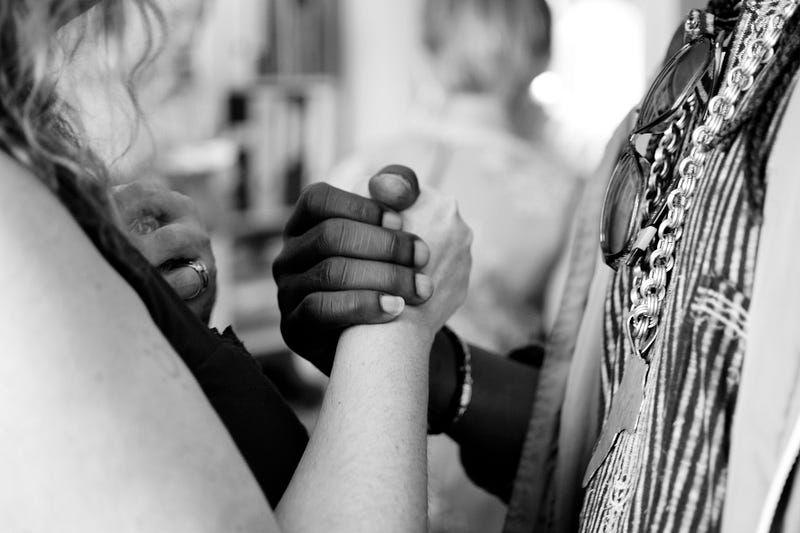
For the longest time, I hated myself. I never thought I could make it because girls with my skin color didn’t go into the media. For years I yearned to see a woman who looked like me on CNN or MSNBC, but lost all hope when show after show, the anchors were mostly all White.
As I transitioned to attending a STEM-focused high school that is predominantly Asian, the hate grew. I tried to mold myself to fit into the expectations of others in the Asian community, constantly seeking out approval from those around me. Even one mention of journalism had my peers asking me why I wasted my time with it. If I dared to say I wanted to be a journalist, fellow students would think I was joking, or doing it because “I didn't have the aptitude for STEM.” Suddenly, I resented my eleven-year-old self for falling in love with the CNN Studio in Atlanta and punished myself for sticking out like a sore thumb.
The anger fueled me. I threw myself more and more into journalism as I felt the tangible impact of my work. From attending national conventions to testifying in front of the Virginia House, I often was the only Indian-American in the room. And it led me to realize that the problem isn’t me, it was the judgement within the Asian-American community. I wished that there were more women of color in journalism, but I wished even more that I had the support of my own community.
I would ask why it is so hard to be accepting of one another, but a better question is, why is it so easy to discriminate? Why was it so easy for people to put me down my whole life simply because of my career choice combined with the color of my skin?
The next time someone asks me what I want to do, I won’t be lying to them and I won’t be tolerating hate either. My goal in life isn’t to cure cancer or solve world peace, it’s to be the change I want to see. As an Indian-American woman, my potential career choice is unorthodox, nontraditional. And that is exactly how I want it to be. We need more women of color in journalism, and I want to be one of those women. I want to be someone utterly unprecedented, because if I don’t take the risk, I won’t reap the reward.
To me, journalism isn’t just a career, or something that can be reduced to the color of my skin. It is my identity, my way of showing the world that the stories I tell carry some weight, that even in science there’s still some humanity left.


