
To learn kanji efficiently, it is better to learn katakana first.
Many Japanese learners start studying kanji after they have mastered hiragana and katakana. This makes a lot of sense.
Many kanji have hiragana and katakana as parts. Katakana in particular is used as many parts of kanji. Many of the radicals (Bushu)that are commonly found in kanji also have forms that are similar to those found in katakana.
Therefore, if you have a good memory for katakana, it will be easier for you to recognise kanji as katakana combinations.
This article therefore introduces three deep connections between katakana and kanji.
The first is kanji, which has exactly the same shape as katakana.
The second introduces radicals that have a similar shape to katakana.
Finally, we present some kanji that are made up entirely of katakana.
Examples of kanji made up of only katakana
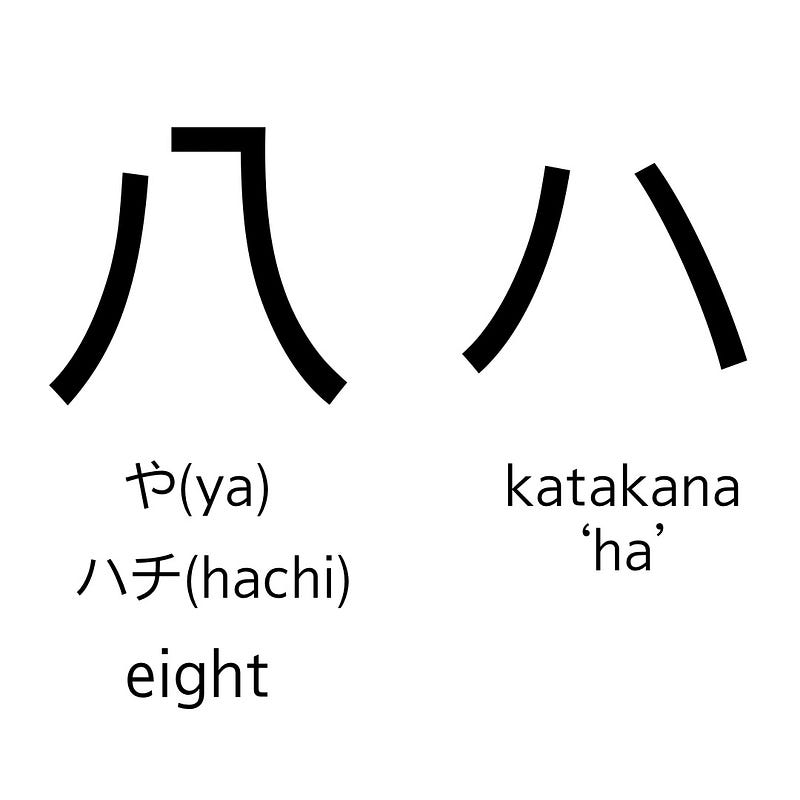
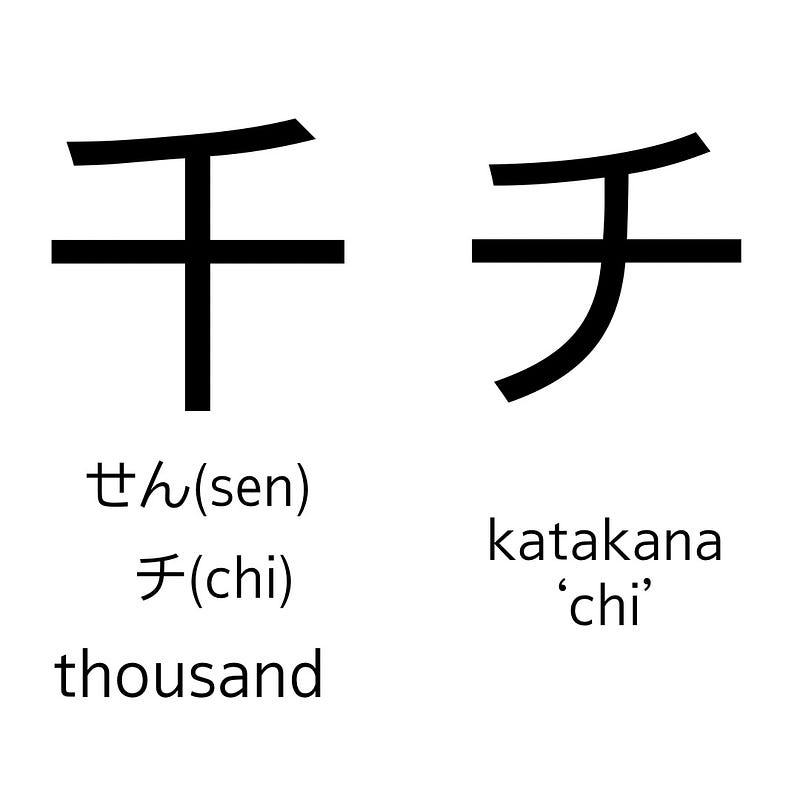
There are five kanji with exactly the same form as katakana.
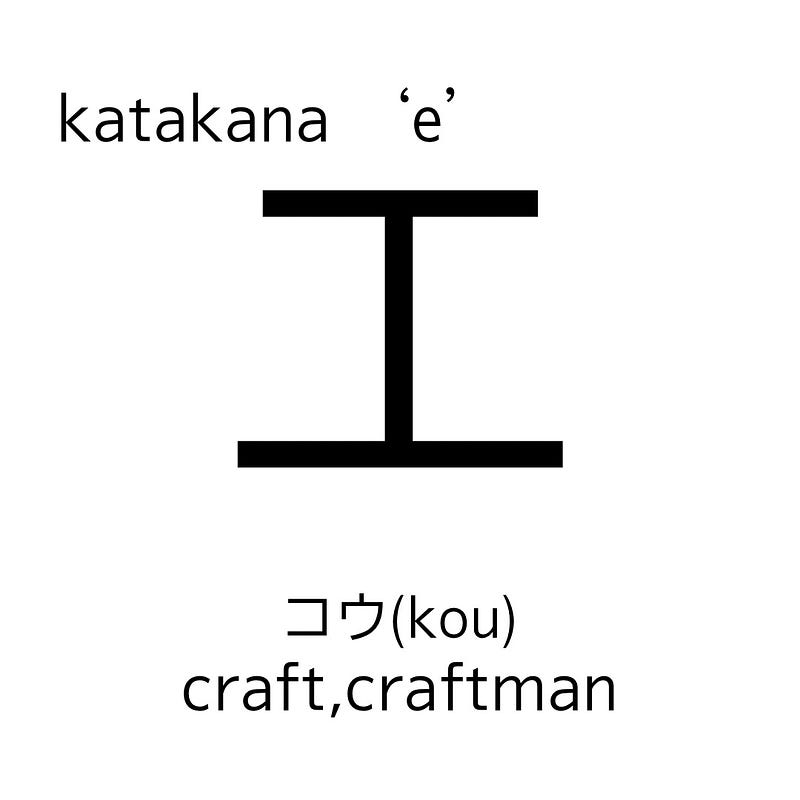
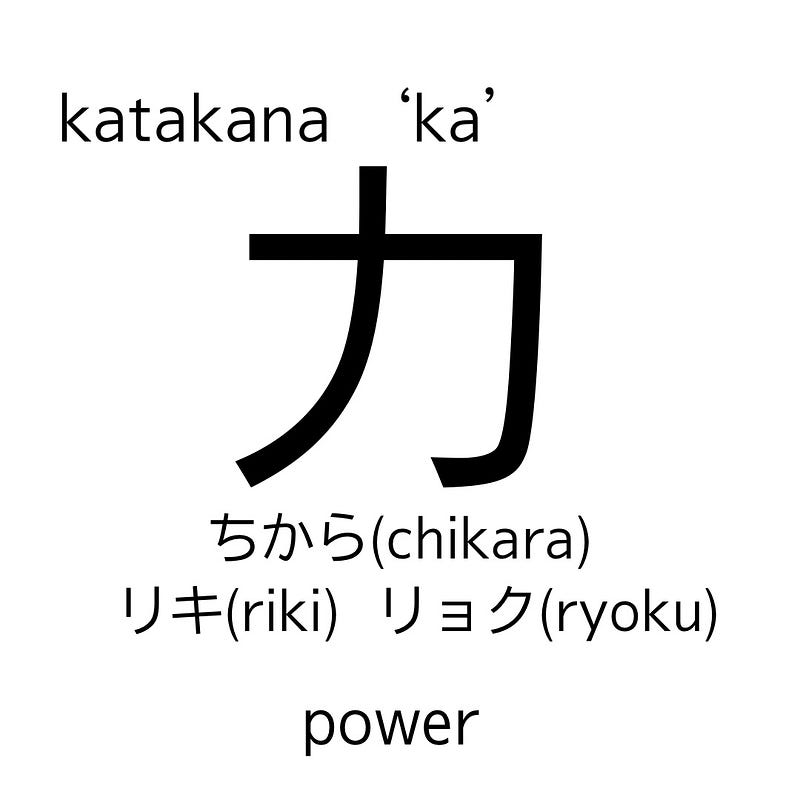
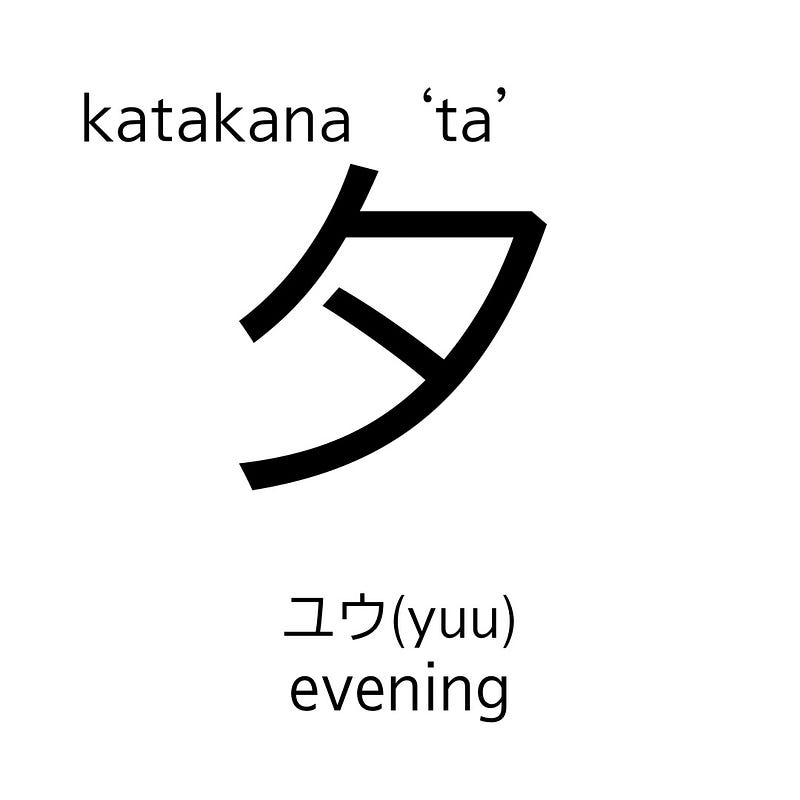
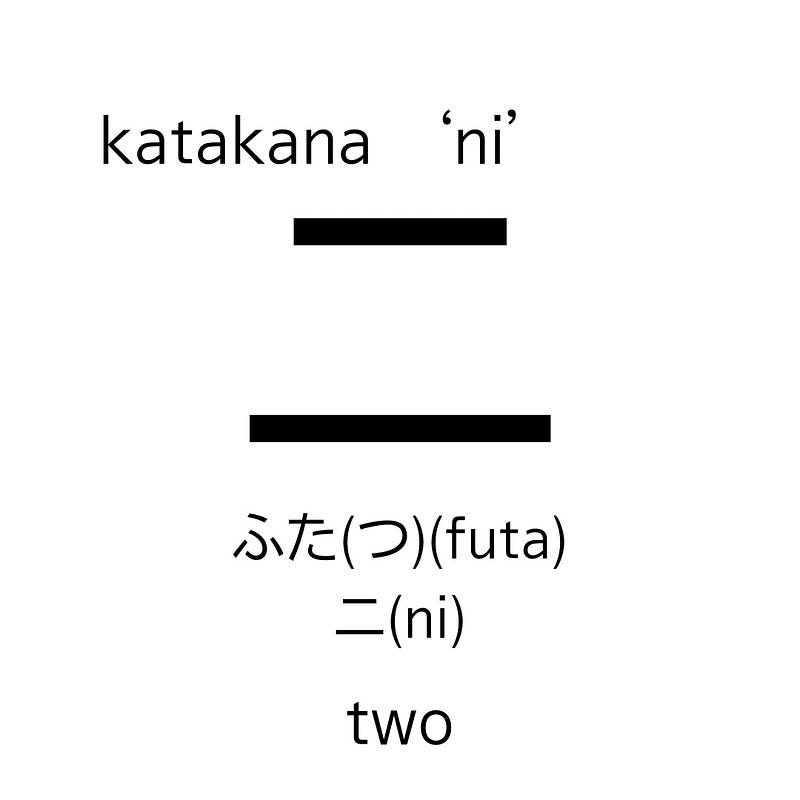
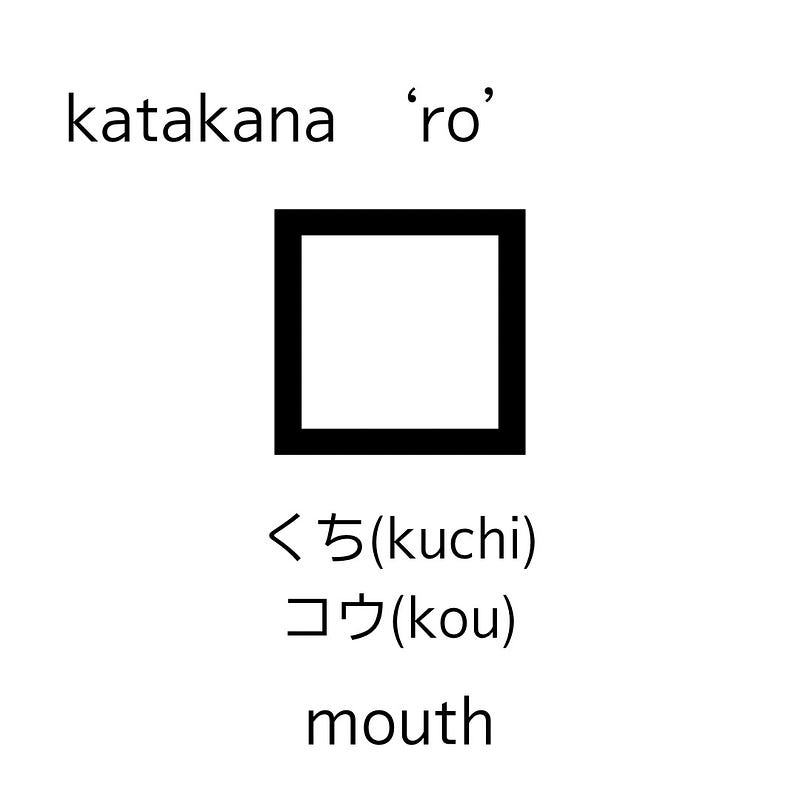
Although they are not exactly the same shape, there are two kanji that look very similar to katakana.
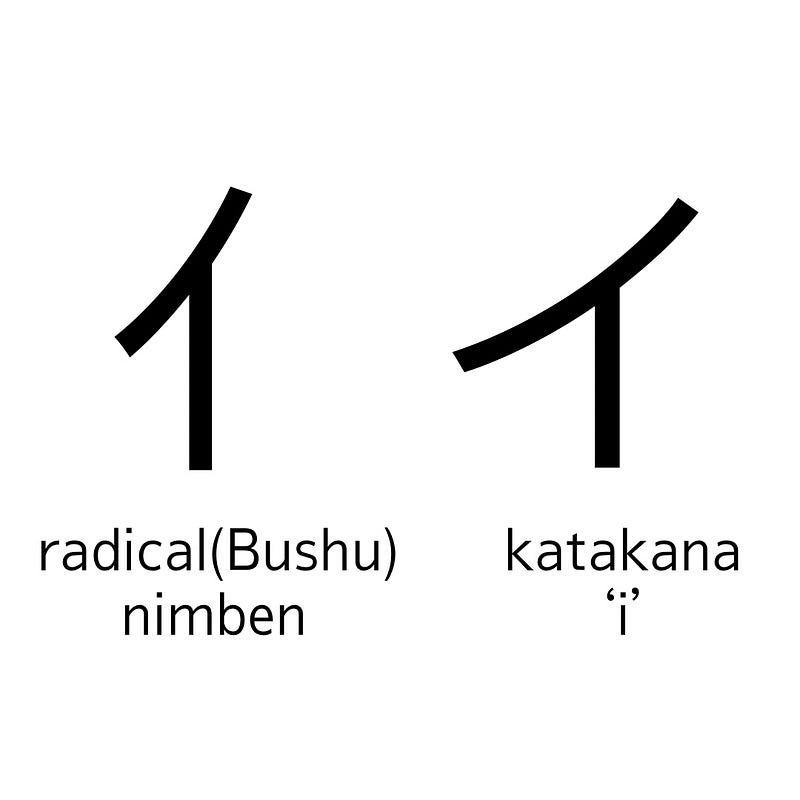
Examples of radicals(Bushu) that are similar to kanji.
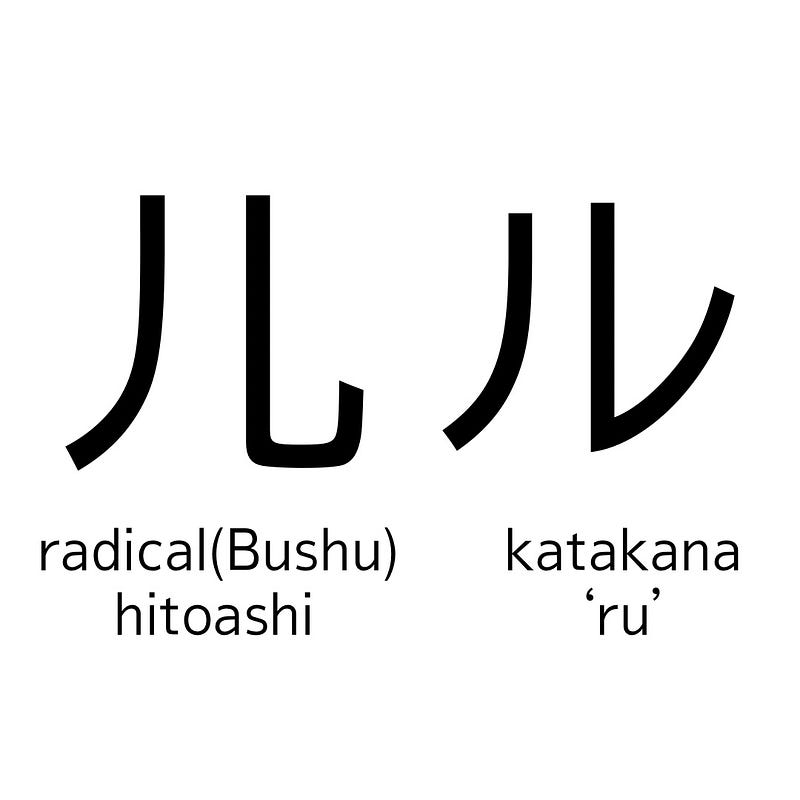
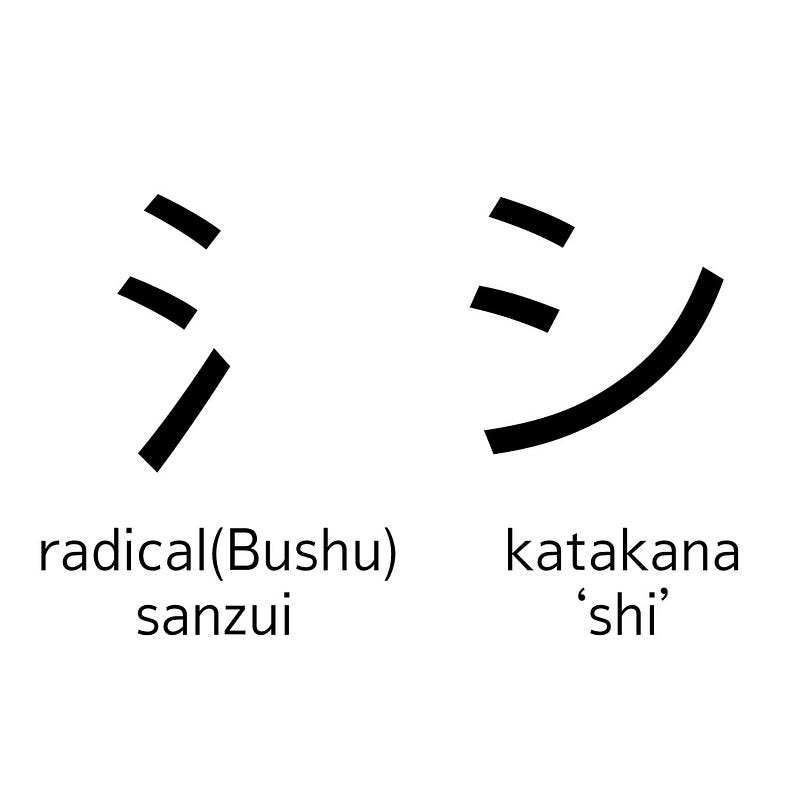
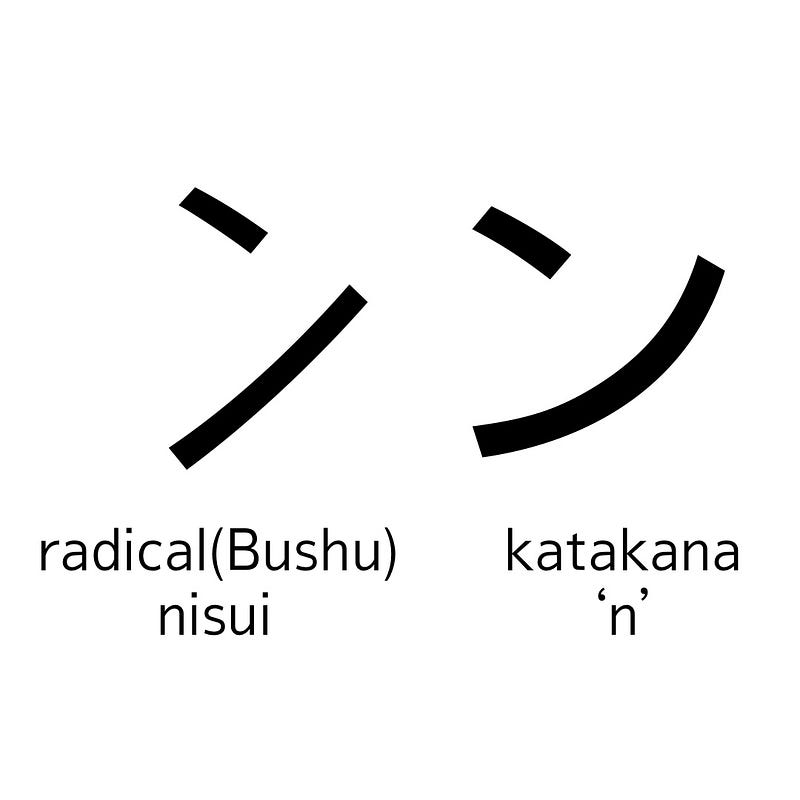
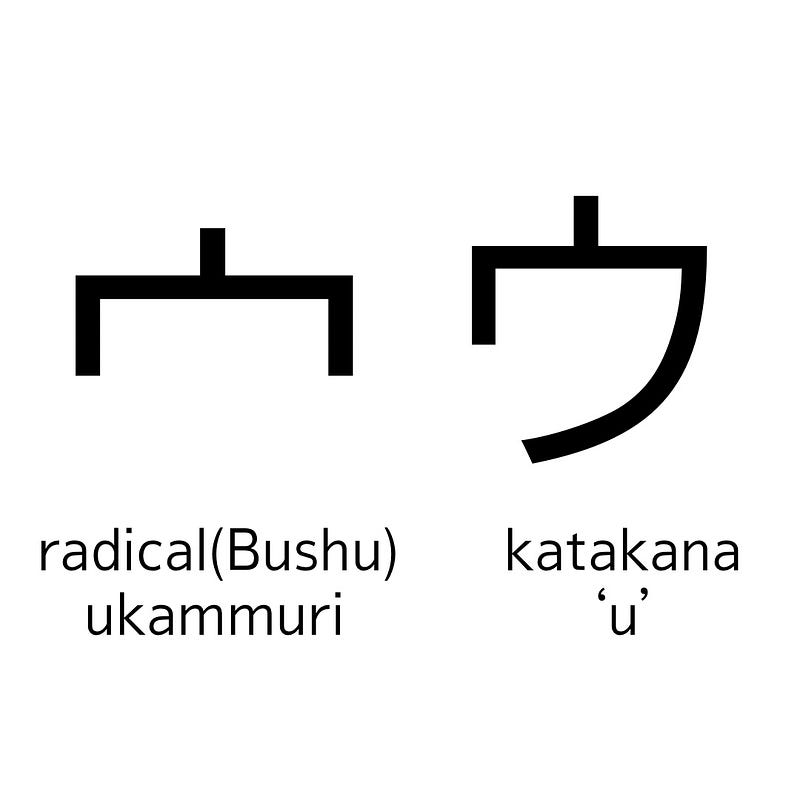
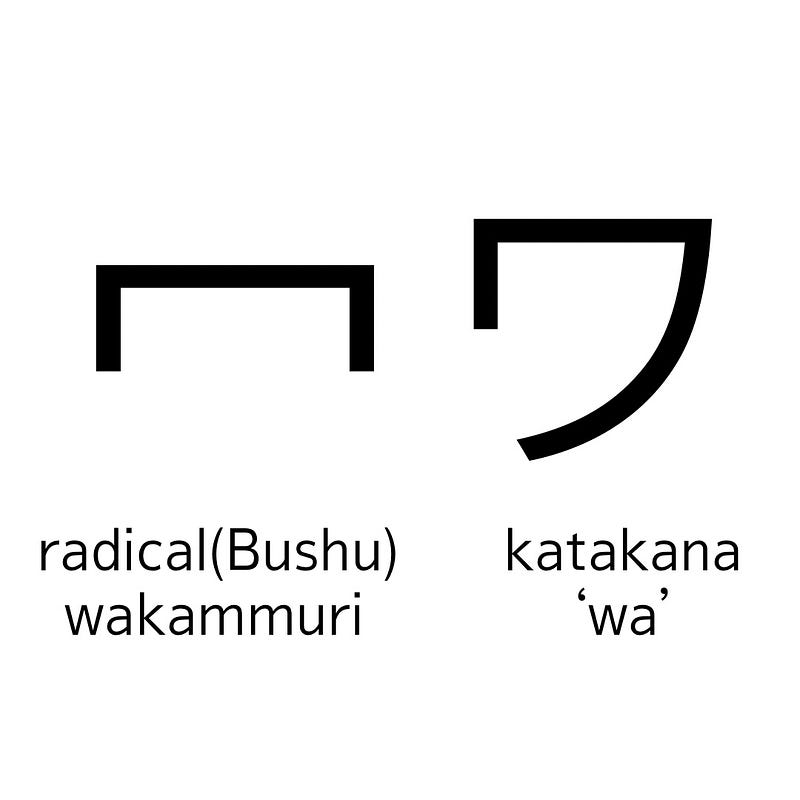
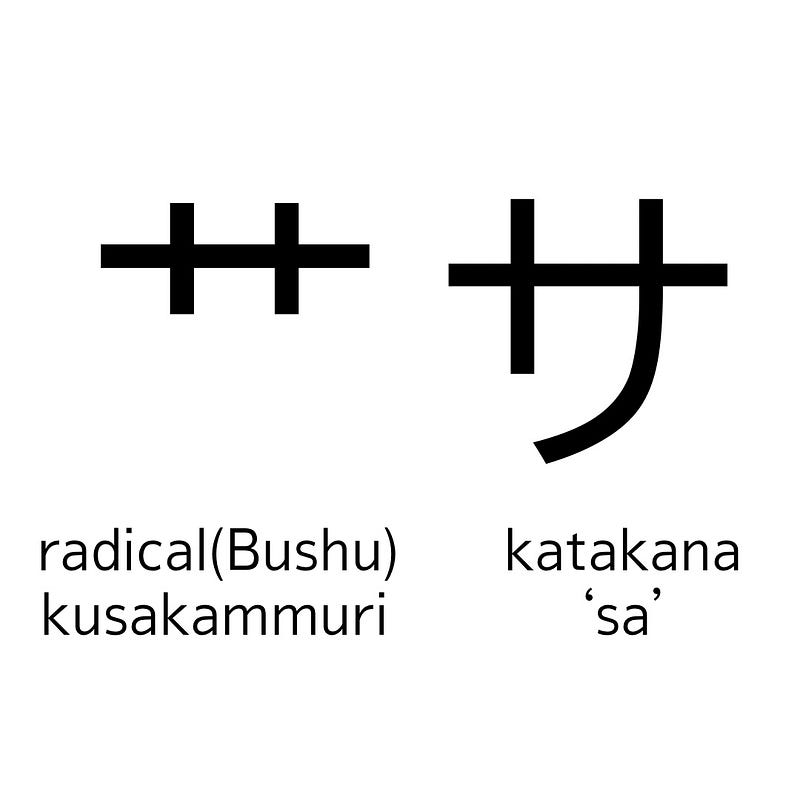
Example of a kanji made entirely of katakana parts.
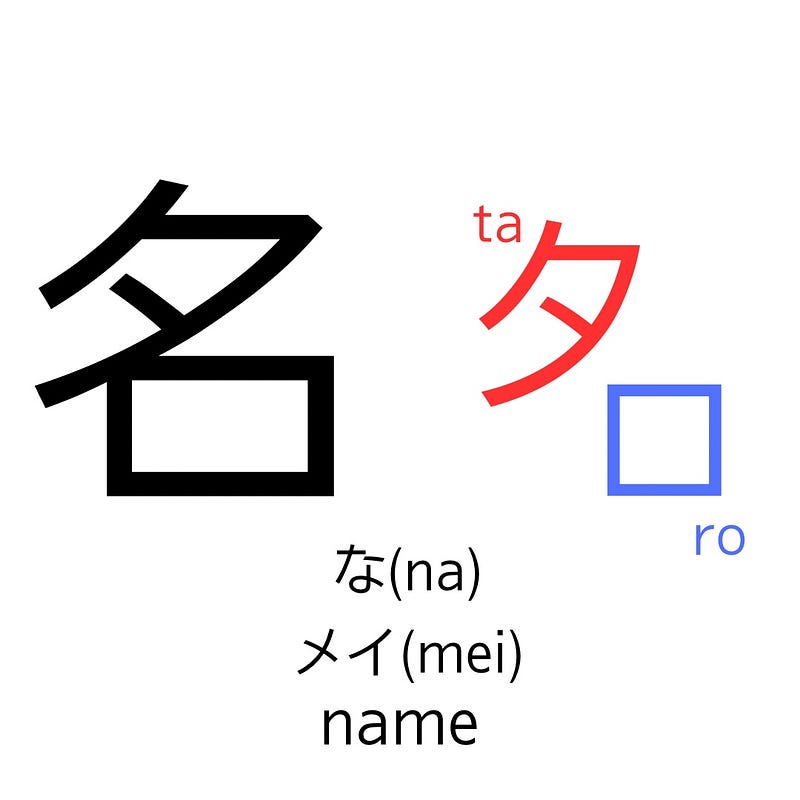
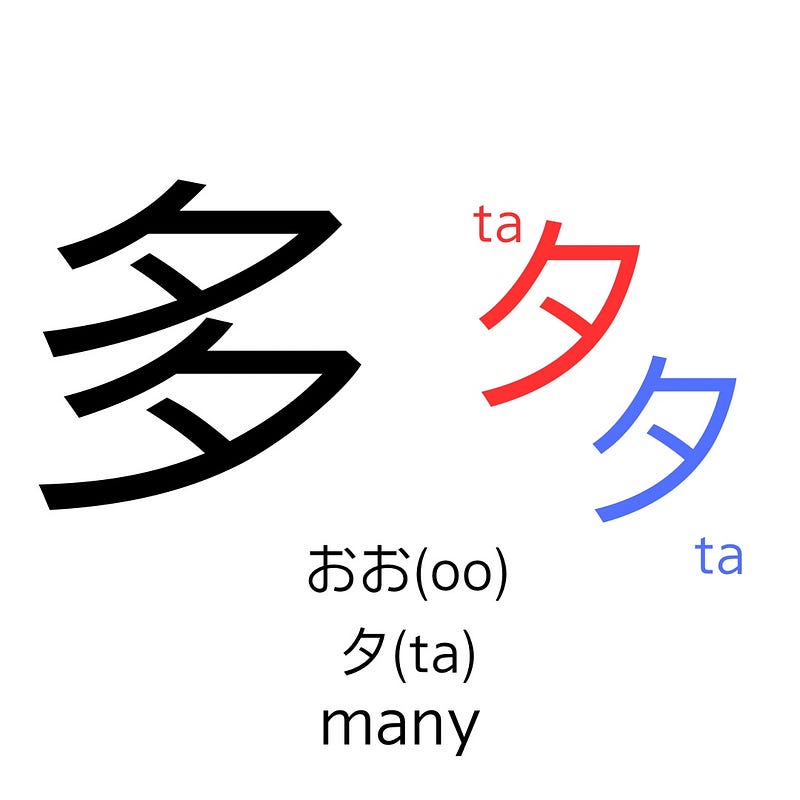
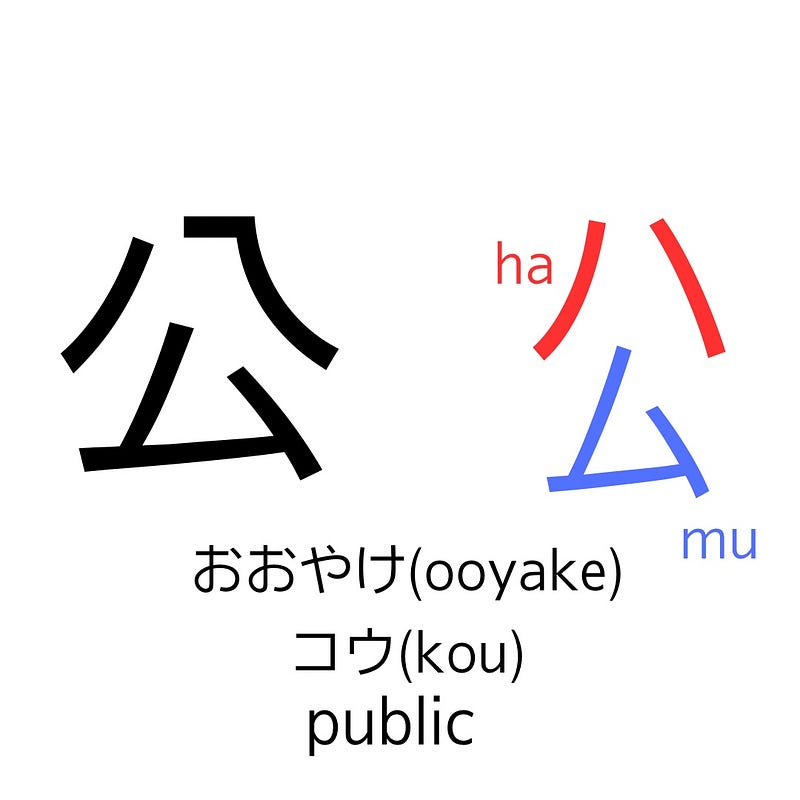
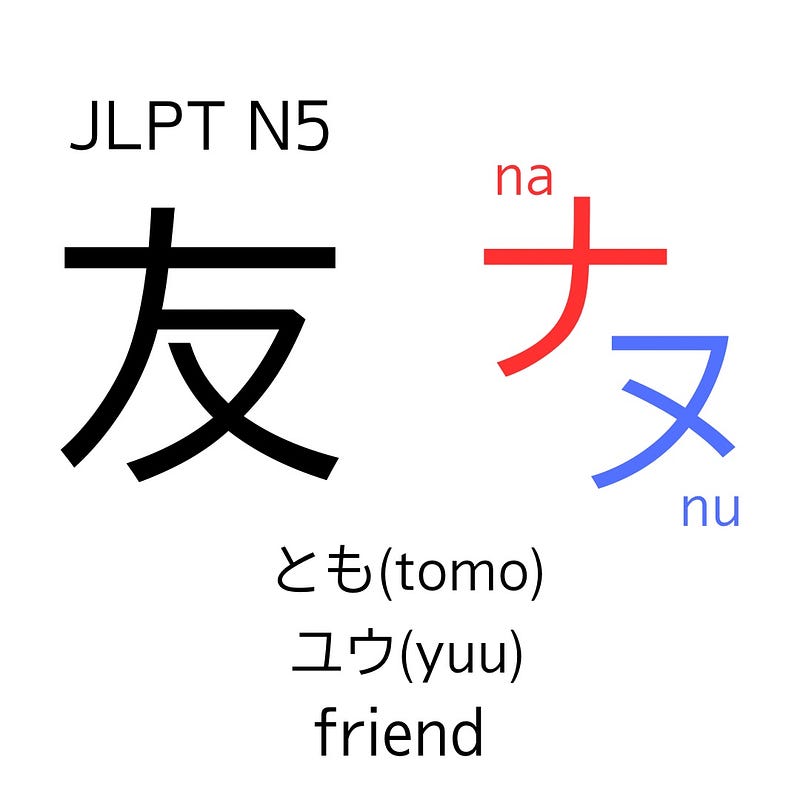
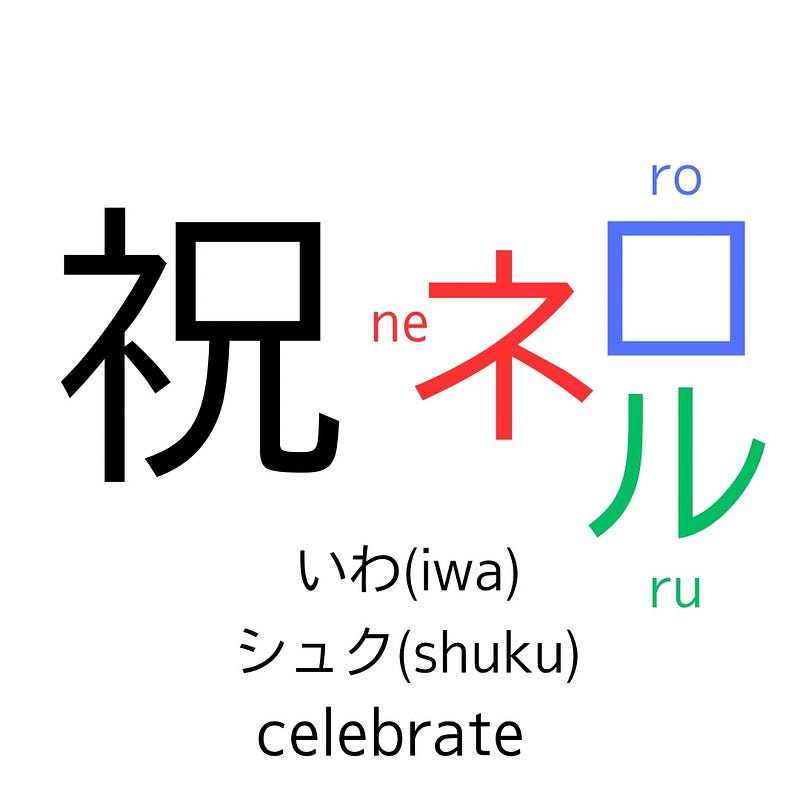
There are many more kanji made up entirely of katakana parts.
When you look at kanji, try to find katakana hidden in them!