
Do You Belong to Land or Not?
Māori culture made me think that there are two types of people; one belongs to the land and the other does not!
When I came to New Zealand to study English nine years ago, I didn’t know that I’d end up staying. Some people questioned me about why I suffered the being away from my family and friends. Whatever reason I sacrificed, it didn’t make any sense to them. I didn’t know exactly either. When I weigh my happiness here or there, I was fine here where I chose to be. That was all.
Due to my father’s job during my childhood, we moved from city to city. My parents weren’t from the city where I was born. We moved and lived in a number of different cities. Then, one day, my father announced that we were going to move one last time and live in our own house happily forever! I remember a chill running down my back with the news.
‘What? Are we going to live in one place after now? How is that going to be?’
Until then, when we moved to a city, we would know how long we would be there, for example, ‘we’ll be in this city for four years.’ But now my father was saying that we were moving to our own house and we would live there happily ever after. Well, my mind didn’t take to that kind of uncertainty. How come anyone would stay without knowing for how long in the same place?
Recently, I was reading ‘Māori Boy’ by Witi Ihimaera. While Ihimaera tells us about his ancestors and his childhood memories in this book, we learn a lot about the Māori culture and the history of New Zealand.
I learned the Māori way of introduction before I read the book, but I felt its true meaning with Ihimaera’s writing.
When you introduce yourself in the way of Māori culture, you say the following (it can be more detailed but this shortest form was taught to us in the Te Reo Māori — Māori language — course I attended);
Ko Maungawhau tōku māunga. Maungawhau is my mountain.
Ko Westhaven te moana. Westhaven is the sea. (to which I affiliate)
Nō Auckland ahau. I am from Auckland.
Ko Sevgi tōku ingoa. My name is Sevgi.
What was expressed in Māori Boy was the same as above, but more meaningful. Witi Ihimaera wasn’t talking about the introduction but his mum, which made the introduction real. Instead of saying your name, you describe yourself with land, with a mountain, with water, with your tribe and family. These all made you, and you are the product of all. You belong to the land, and you describe yourself with it.
Ihimaera talks dearly about his mother, such an independent, brave, and loving woman. He also conveys his mother’s strong connection to her mountain, Hikurangi. In his words,
‘Mount Hikurangi takes its place in my whakapapa (lineage of ancestry) as the epic manifestation of my mother’s mana, strength or prestige. (…) She always kept a close eye on Hikurangi whenever we were travelling through the East Coast. (…) As we traversed the massive flanks of the mountain, she would acknowledge it with bowed head. Throughout her life, she steadfastly took her bearings from Hikurangi and never showed her back to it.’
I am amazed by the way of thinking here; the power of attachment to your land and tribe, and the deep respect. I remembered my mother, who had unconditional love for her village and family. Admiring the connection, I clearly knew what I was lacking.
Then I questioned myself about where this place was for me, where I belonged, and where did I feel that I fit the best?
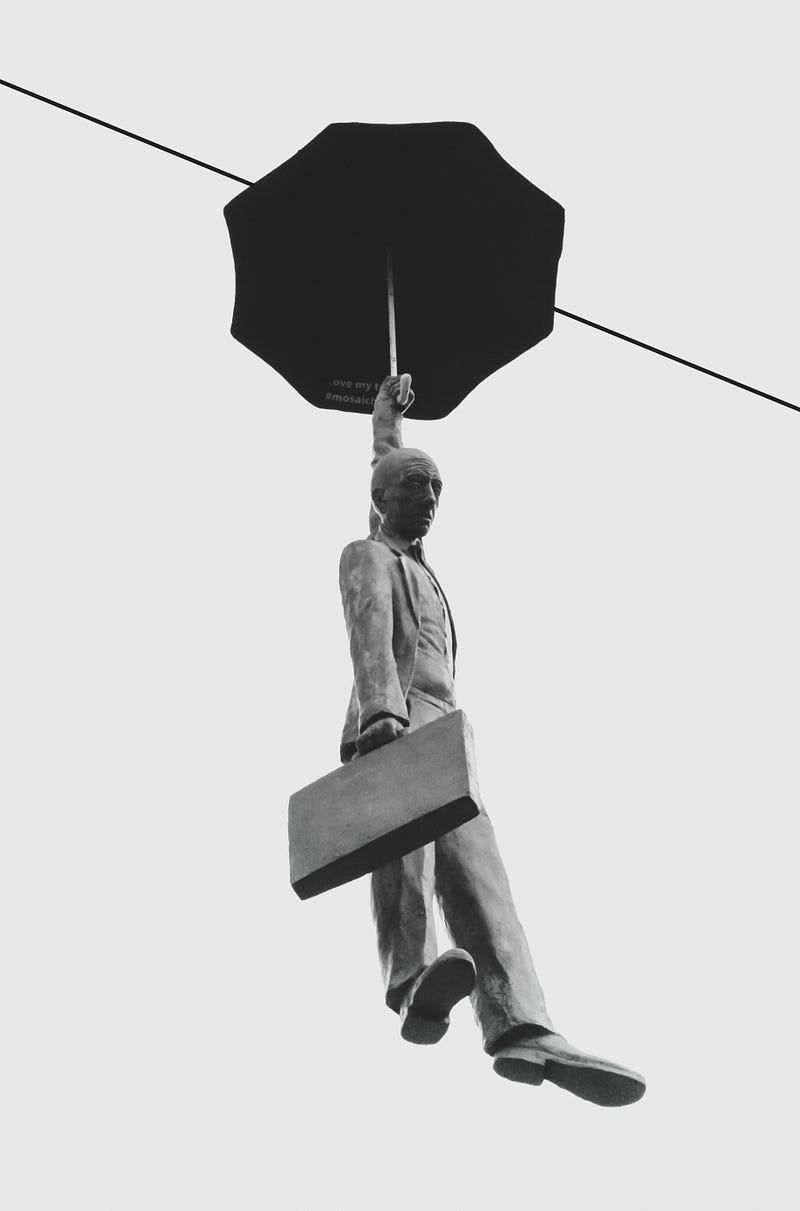
There was no land for me. There is nowhere that I want to be, go back to or promise that I will stay in that belonged place forever. I left my land long ago, and I don’t know if I will ever return. There is no certainty that I will remain where I am now. I love the place where I was born, and I love the place where I live now. Nevertheless, I feel more that I belong to the air, but not the land.
This thinking makes me a natural immigrant, even though I am already one. I’m not from somewhere but from everywhere. And, there are people like me, feeling little connection to the land but more to Earth. And, people have a connection with the land in their bones.