
CREATIVE REFRESHMENT
‘To Autumn’ by John Keats
Classic autumnal verses
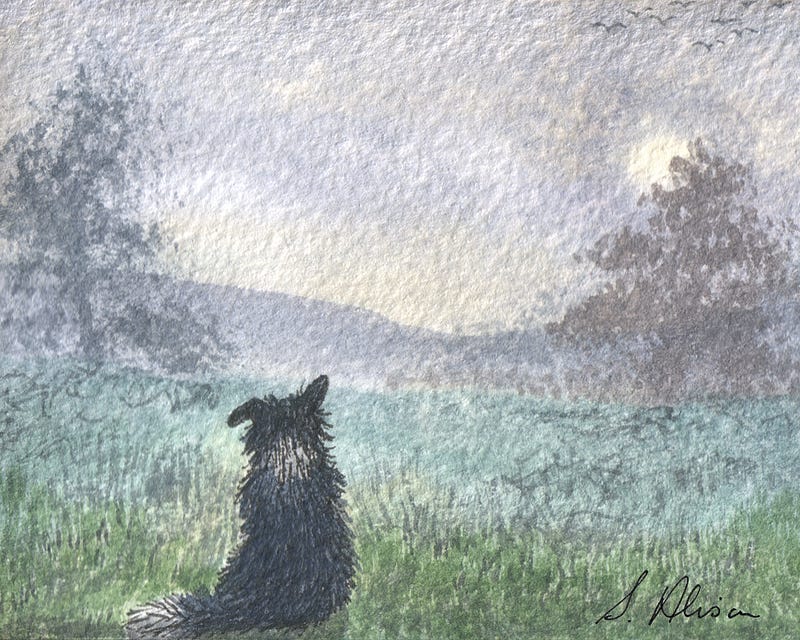
‘To Autumn’ by John Keats
Season of mists and mellow fruitfulness, Close bosom-friend of the maturing sun; Conspiring with him how to load and bless With fruit the vines that round the thatch-eves run; To bend with apples the moss’d cottage-trees, And fill all fruit with ripeness to the core; To swell the gourd, and plump the hazel shells With a sweet kernel; to set budding more, And still more, later flowers for the bees, Until they think warm days will never cease, For Summer has o’er-brimm’d their clammy cells.
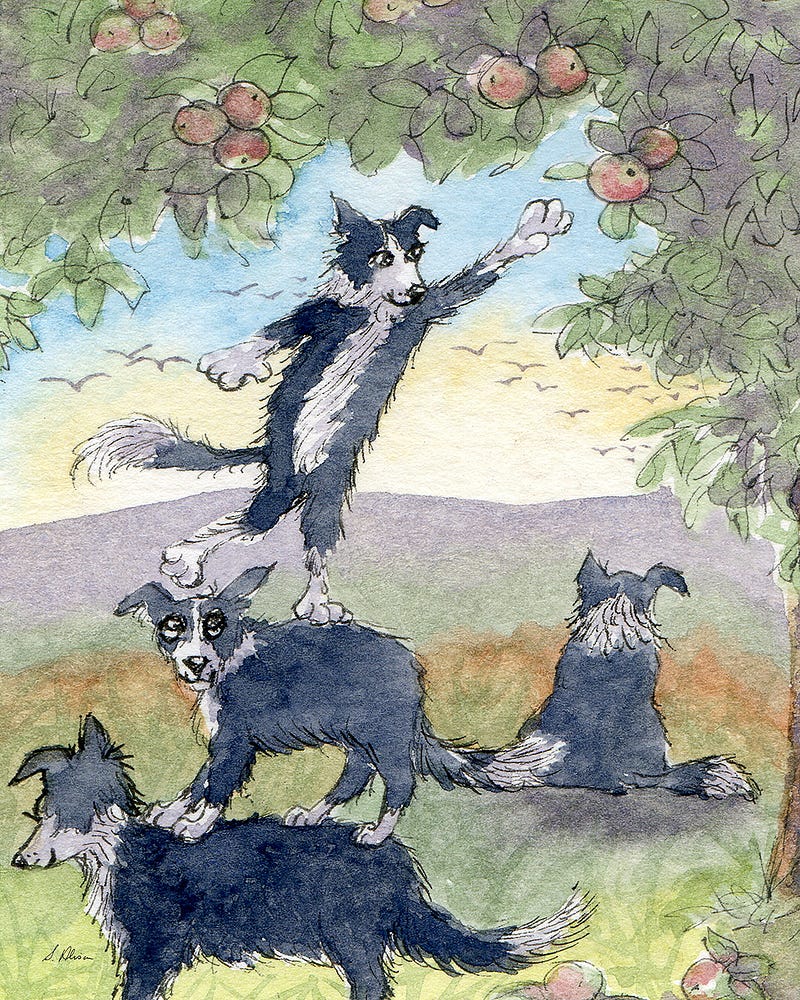
Who hath not seen thee oft amid thy store? Sometimes whoever seeks abroad may find Thee sitting careless on a granary floor, Thy hair soft-lifted by the winnowing wind; Or on a half-reap’d furrow sound asleep, Drows’d with the fume of poppies, while thy hook Spares the next swath and all its twined flowers: And sometimes like a gleaner thou dost keep Steady thy laden head across a brook; Or by a cyder-press, with patient look, Thou watchest the last oozings hours by hours.
Where are the songs of Spring? Ay, where are they? Think not of them, thou hast thy music too, — While barred clouds bloom the soft-dying day, And touch the stubble-plains with rosy hue; Then in a wailful choir the small gnats mourn Among the river sallows, borne aloft Or sinking as the light wind lives or dies; And full-grown lambs loud bleat from hilly bourn; Hedge-crickets sing; and now with treble soft The red-breast whistles from a garden-croft; And gathering swallows twitter in the skies.
When John Keats died in 1821 he was only 25, and yet he is now regarded as one of the greatest of English poets. He started writing poetry when he was eighteen, so there were only seven years in which he practised his art.
And what art it is! The art of using mere words to convey the richness of nature.
In 19th century Europe, consumption (pulmonary tuberculosis) was a major public health crisis. The Keats family was badly affected by it, killing Keats’ uncle, of whom he was very fond, his mother two years later when he was 14, then his brother, and then Keats himself.
Hoping that the warmer climate might help with his health, Keats spent the last few months of his life in Rome. His request to his friends was that instead of having his name on his tombstone, he wanted it to say: “Here lies One Whose Name was writ in Water”.
He was buried in Rome and his gravestone’s inscription reads: “This Grave contains all that was mortal, of a Young English Poet, who on his Death Bed, in the Bitterness of his heart, at the Malicious Power of his enemies, desired these words to be Engraven on his Tomb Stone: Here lies One Whose Name was writ in Water.”
His friends were responsible for adding the rest of text. It shows how aggrieved they were over Keats’s poetry receiving critical treatment. They were also grieving for him, of course. He had many friends.
Taking life masks, and death masks was not uncommon in the 19th century. Both were taken of Keats and now copies made by old cast makers are considered to be valuable collectibles, a testament to Keats’ abiding appeal even more than two hundred years after his too-early death.
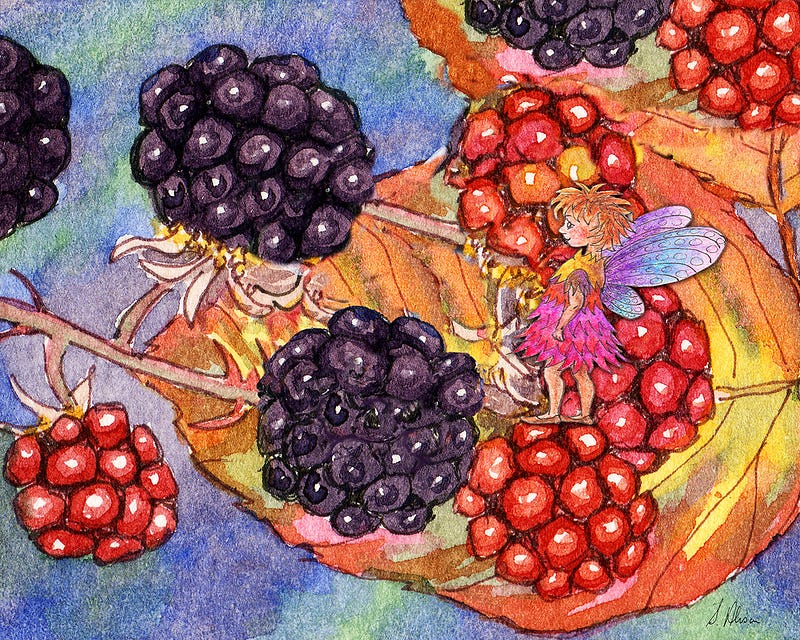
“The poetry of the earth is never dead.”
From: Keats’ ‘On The Grasshopper And The Cricket’, December 1817.
My own creativity is always refreshed by reading the creative works of others — especially some of the classic poems, knowing they were written in a different world at a different time, with a different mindset.
*This poem is in the public domain. Stuff you need to know about the use of other people’s work.
It’s autumn!
More autumn!
Stuff you need to know about the use of other people’s work:
Susan’s Amazon Page / Susan’s Etsy Store / Susan’s newsletter sign-up
Read more from me: © Susan Alison 2021