
Titles Matter But Images Are Everything
Learn to navigate muddy waters and use compelling images
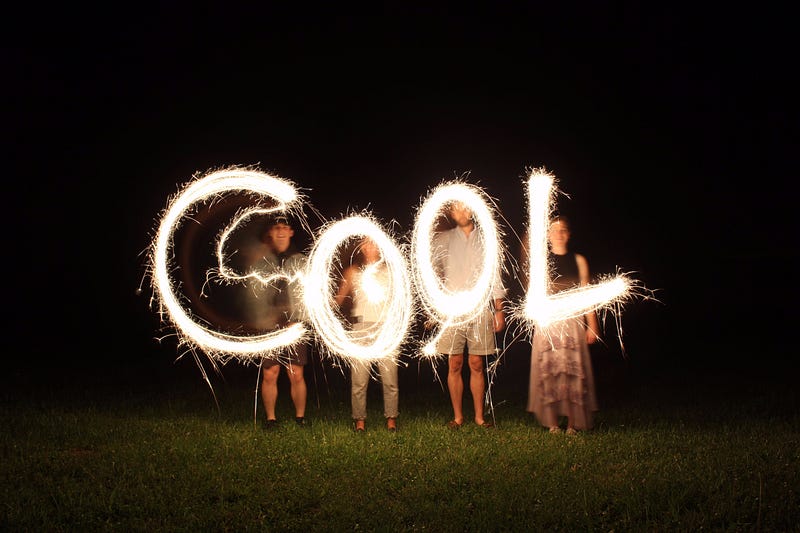
Countless articles and blog posts report on the importance of titles and headlines. There are myriad headline analyzers and SEO tips to help us create the most edgy, attention-grabbing titles. Hell, I’ve written a couple of pieces on titles myself. As a fiction writer, getting used to Medium headline writing proved difficult.
Each day, my feed fills with “Look at My Viral Article! No Idea how it happened, but Look!” stories, and unending writing tips from writers on all rungs of the success ladder. But, no matter how hard I look, I find scant content about how to utilize images.
Sure, many writers highlight the free image sites — Unsplash, Pixabay, Wikimedia Commons, etc. However, not many delve into the ramifications of using copyrighted images. And, many writers on this platform unwittingly steal from professional photographers.
I find the image waters murky at best. And, images are damned important. A title image is required for curat — er, further distribution, and the thumbnail in the Daily Feed draws people in. A boring image can leave readers seeking splashier, sexier waters.
And I certainly need help in discerning what images are usable and what images are off-limits. I’m sure many share my boat. I dove down the rabbit hole of research, and here’s what I’ve discovered.
How to Make Images Work for You
If I have a story titled “How Hope Springs Eternal in the Lives of This Refugee Family,” it will grab attention, and readers may flock. However, if the accompanying image is a field of flowers, the title could be missed entirely. If I add an image of a family, looking hopefully at the camera, the image will resonate better with readers. I’ve also ripped off Alexander Pope in the title, but I don’t think he’ll mind.
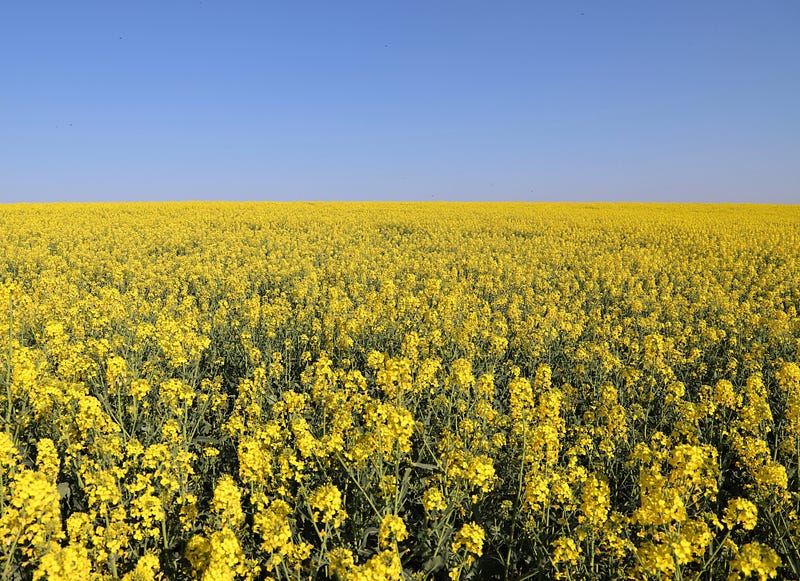
Use an image that you find interesting and compelling. A sunset is beautiful, but not attention-grabbing — your Aunt Lucy posts 300 shots of sunsets on Facebook, and you scroll on by. The image should pertain, in some fashion, to the message. For instance, an image of monkeys should probably accompany a humor piece on monkeys. But abstract photos are great if they’re attention-grabbing.
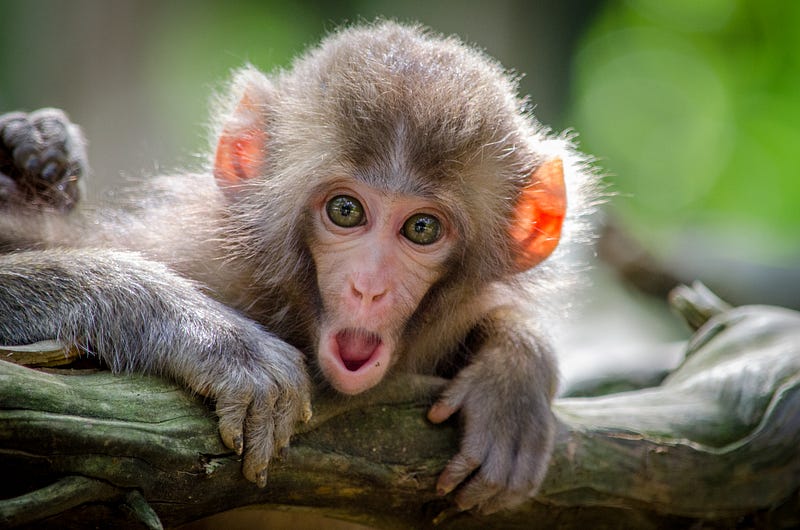
Do Use Free Image Sites. Don’t Copy an Image from a News Story
Medium has a great link via drafts to search Unsplash for photos. And, Unsplash holds a library of over 2 million pictures. However, Unsplash works best with one word searches. Specific searches prove more difficult.
If you type in “kid,” and use the first Unsplash shot you find appealing, chances are it’s already shown up in 700 Medium title images. Scroll through those pages! Pixabay or Pexels are great alternatives for free, compelling images.
Here’s where the waters muddy. If you want to capture a specific image — of a celebrity or an event — you may feel the urge to Google the keyword and grab a shot that pops up. Most of these photos, though, are licensed, and require a royalty fee for use in published work.
Wikimedia Creative Commons holds some celebrity and geographical images. And, Getty Images released a royalty-free database in 2014 that continues to grow. Be careful with Getty — many of their photos still come with a large fee.
If you copy an image from, say, The Washington Post, without paying royalties for said licensing fee, you can face hefty fines or even copyright infringement charges. It’s comparable to an Instagram user copying and pasting parts of your Medium story to their account without your permission. Unpaid editors often don’t have the time to ensure you’re using a free photo, so this responsibility falls on you.
I’ve seen countless published Medium stories where the author credits the source they pulled their images from, but said source doesn’t offer royalty-free image use. YouTube screenshots and public Facebook or Twitter photos are fair game though. Because YouTube is a free streaming service, snapping a screenshot and then using it is fine. Similarly, a public Facebook or Twitter photo can work in your story. Make sure you caption and credit the source of your photo, too. All captions should provide a hyperlink to the source.
If you’re using an image from your own collection, a caption is still necessary. For photos of historical figures, you can search the public domain database. For all others, when you go to pull copy your images, check the “Image may be subject to copyright” link, and the licensing terms will pop up.
There are six types of Creative Commons public licensing available. Keeping a reference list on hand can help when discerning which images to use. The legal ramifications of utilizing images under royalty can also be found here.
Tying it All Together
A comprehensive guide to utilizing images in Medium stories would prove beneficial for every writer on the platform. But after a full day of research, I can share the basic knowledge above. Ultimately, a quality, authentic, pertinent content package will be opened by someone, but the wrapping matters a great deal. Finalize your draft, run the clunky title through an analyzing app or writer peers, and find an image to tie it all together.


