avatarHIDEYO

Free AI web copilot to create summaries, insights and extended knowledge, download it at here

1323

Abstract

e founder Steve Jobs and former Major League Baseball player Ichiro.</p><p id="be6b">They have incorporated the principle of tea ceremony, known as 「<b>Ichi-go ichi-e</b>」 into their lives and businesses, reaping substantial benefits. This spirit of 「<b>Ichi-go ichi-e</b>」 means cherishing the moment, the encounter, and living life to the fullest. Essentially, it is a philosophy for life.</p><h2 id="efe5">The Profound Artistry of Tea Ceremony Unveiled the More You Know</h2><p id="2210">Tea ceremony is not just about making tea; it’s also about appreciating the deep artistry that lies within. This includes the meticulous consideration found in the etiquette, the artistic insight into each piece of tea utensils, hanging scrolls, and even the Japanese sweets, and the sentiment of enjoying the changing seasons.</p><p id="e879">In other words, a tea ceremony is a stage, where the practitioner as the performer and the guest as the audience weave a story together.</p><p id="8705">For example, Japanese sweets are a work of art that represents the sense of the season, not just in appearance. When you take a bite, you can feel the transition of seasons and the emotions of that particular time.</p><figure id="926c"><img src="https://cdn-images-1.readmedium.com/v2/resize:fit:800/1*[email protected]

Options

g"><figcaption>Photo by Vladimir Gladkov on Unsplash</figcaption></figure><p id="92b3">It’s similar to changing the design of an app according to the seasons, which refines your sensitivity.</p><p id="daf9">Furthermore, tea bowls and hanging scrolls are not mere decorations. They are chosen according to the day’s weather, the season, and the guest’s mood.</p><p id="d43f">This is exactly the concept of prioritizing customer service and maximizing their experience. Through tea ceremony, we cultivate not only our minds but also our consideration for others.</p><p id="2142">Finally, I have a question about the tea ceremony.</p><p id="d22f">How do you think learning about tea ceremony would affect your daily life or work?</p><p id="b5ab">Which element of the tea ceremony captivated you the most?</p><p id="807f">Please let us know in the comments. I look forward to hearing your thoughts.</p><p id="2fdd">Tea ceremony is more than just an art of brewing tea. Once you understand it, you can deeply feel the beauty and harmony of Japan, and its philosophy of life. Let’s enjoy a pleasant moment with a cup of tea.</p><figure id="88e7"><img src="https://cdn-images-1.readmedium.com/v2/resize:fit:800/1*[email protected]"><figcaption>Photo by Alice Pasqual on Unsplash</figcaption></figure></article></body>

Title: The Art of Tea Ceremony – A Dive into Japan’s Spiritual Culture
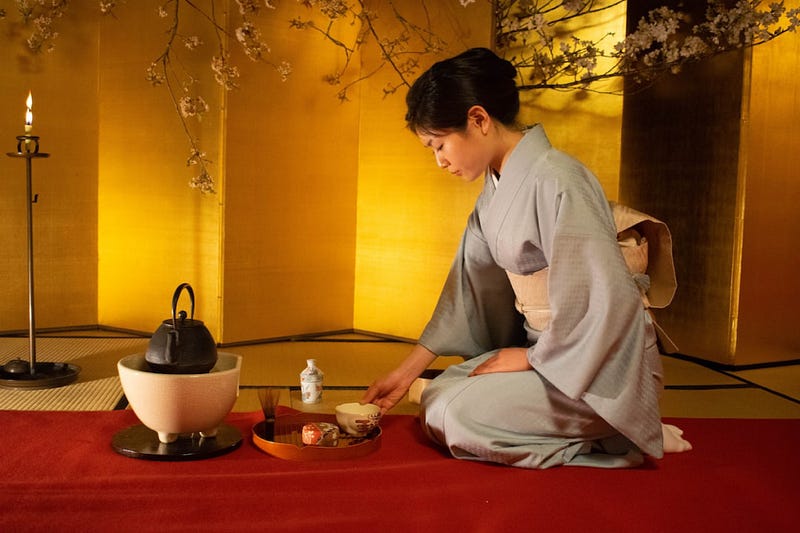
Photo by Roméo A. on Unsplash

**What is Tea Ceremony?**

Tea ceremony, at first glance, may seem like merely serving tea, but behind this seemingly simple act lies a form of art packed with the spirituality of Japan.

Through the process of making tea with specific procedures, it allows you to calm your mind, focus on the present moment, and express the beauty and harmony sought in everyday life.

Much like learning a programming language, the study of tea ceremony might seem challenging at first, but soon enough you’ll find yourself drawn into its allure.

**The Philosophy of Tea Ceremony Loved by Renowned Successes such as Steve Jobs, Ichiro**

Photo by Alexander Shatov on Unsplash

In fact, the philosophy of the tea ceremony is loved by top businessmen and athletes worldwide. Evidence of this is found in Apple founder Steve Jobs and former Major League Baseball player Ichiro.

They have incorporated the principle of tea ceremony, known as 「Ichi-go ichi-e」 into their lives and businesses, reaping substantial benefits. This spirit of 「Ichi-go ichi-e」 means cherishing the moment, the encounter, and living life to the fullest. Essentially, it is a philosophy for life.

**The Profound Artistry of Tea Ceremony Unveiled the More You Know**

Tea ceremony is not just about making tea; it’s also about appreciating the deep artistry that lies within. This includes the meticulous consideration found in the etiquette, the artistic insight into each piece of tea utensils, hanging scrolls, and even the Japanese sweets, and the sentiment of enjoying the changing seasons.

In other words, a tea ceremony is a stage, where the practitioner as the performer and the guest as the audience weave a story together.

For example, Japanese sweets are a work of art that represents the sense of the season, not just in appearance. When you take a bite, you can feel the transition of seasons and the emotions of that particular time.
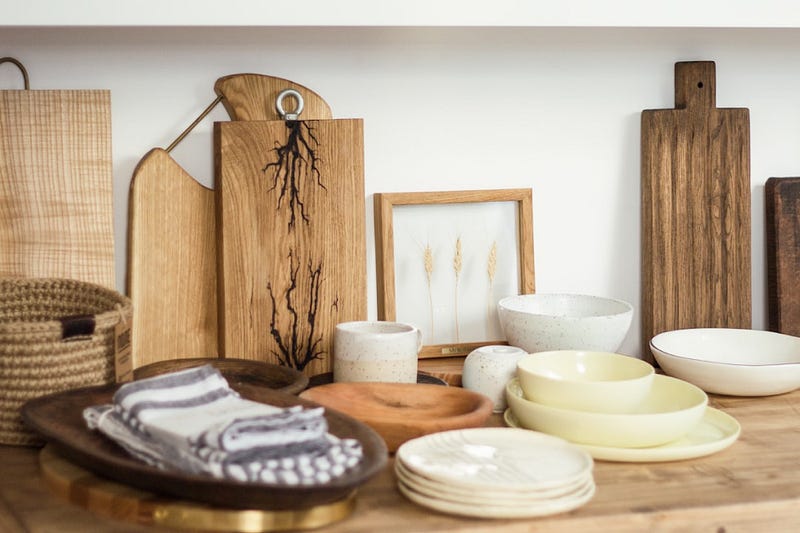
Photo by Vladimir Gladkov on Unsplash

It’s similar to changing the design of an app according to the seasons, which refines your sensitivity.

Furthermore, tea bowls and hanging scrolls are not mere decorations. They are chosen according to the day’s weather, the season, and the guest’s mood.

This is exactly the concept of prioritizing customer service and maximizing their experience. Through tea ceremony, we cultivate not only our minds but also our consideration for others.

Finally, I have a question about the tea ceremony.

How do you think learning about tea ceremony would affect your daily life or work?

Which element of the tea ceremony captivated you the most?

Please let us know in the comments. I look forward to hearing your thoughts.

Tea ceremony is more than just an art of brewing tea. Once you understand it, you can deeply feel the beauty and harmony of Japan, and its philosophy of life. Let’s enjoy a pleasant moment with a cup of tea.
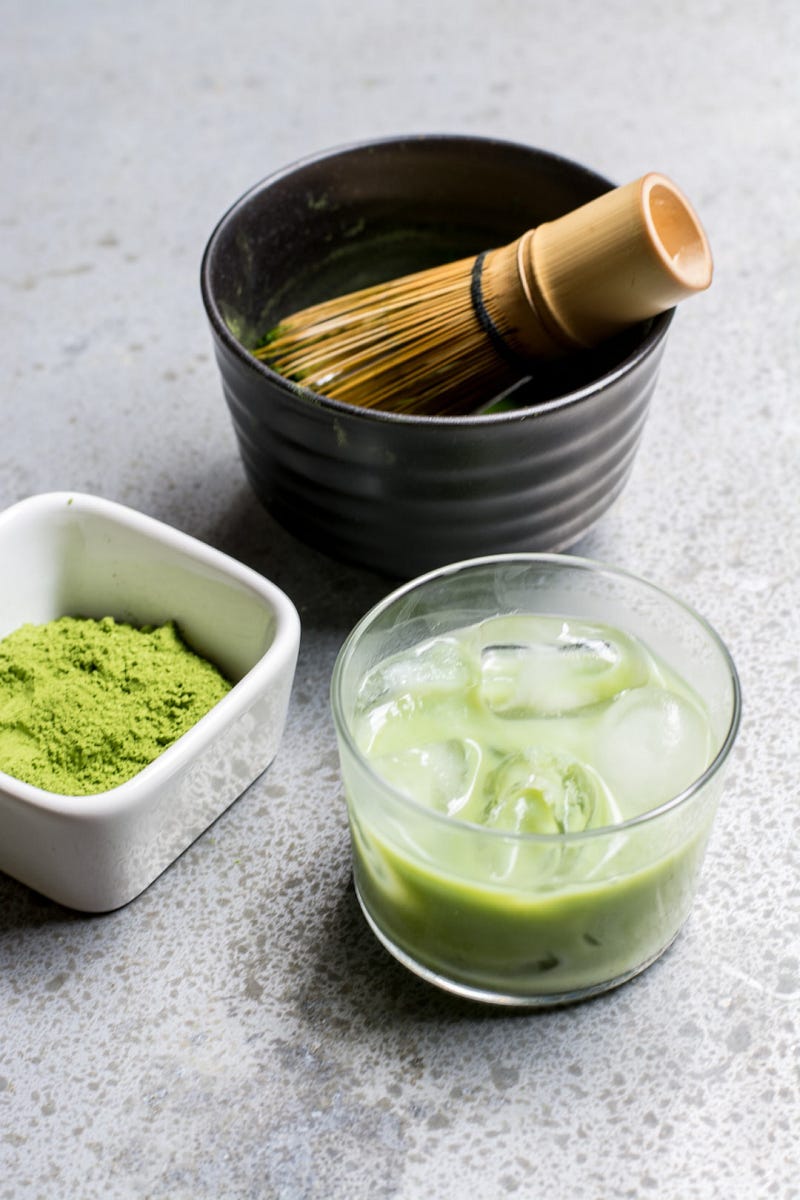
Photo by Alice Pasqual on Unsplash
Creativity
Culture
Design
Education
Food
Recommended from ReadMedium