avatarTaylor Smart

Free AI web copilot to create summaries, insights and extended knowledge, download it at here

3139

Abstract

ence of diabetes-associated comorbidities and complications, a decreased quality of life, and increased health care costs.</a></p><p id="a045">As a result of the surplus of decisions Type 1 diabetics make in a day, those who experience burnout often neglect their treatment plans altogether to feel “normal” or less-stressed.</p><h2 id="4479">What Does Diabetes Burnout Look Like?</h2><p id="f926">Diabetes burnout can often be self-realized. It essentially feels like getting frustrated, upset, or overwhelmed with your personal diabetes care and alleviating these emotions by neglecting usual aspects of the care.</p><p id="d64c"><a href="https://www.webmd.com/diabetes/avoid-diabetes-burnout"><b>According to WebMD</b></a><b>, this can include:</b></p><ul><li>Not taking your meds/insulin as prescribed.</li><li>Not checking blood sugar levels as often (if at all).</li><li>Not counting carbs or guessing how much insulin to take.</li><li>Not exercising as usual.</li><li>Not changing your pump site as often.</li><li>Not treating low/high blood sugars.</li><li>Skipping doctor’s appointments.</li></ul><p id="d51d">Often, diabetes burnout coincides with other external, stressful situations. Think: global pandemic, changes in routine — you get the idea.</p><h2 id="11f2">How Can A Loved One Support Someone During This Time?</h2><p id="26c4">There are many ways loved ones can offer support to a diabetic experiencing burnout.</p><p id="8e05">It is important always to remember to be encouraging, sympathetic, and understanding toward those who feel the effects of living with a chronic illness. After all, people with type 1 diabetes are <i>literally </i>functioning as their own pancreas 24/7.</p><p id="d976"><b>Here are some useful tips to offer your support:</b></p><ul><li><i>Offer to help with small tasks that may not seem like a big deal.</i></li></ul><p id="2288">You can learn how to check their blood sugar, change their pump site, or make a doctor’s appointment for them.</p><ul><li><i>Get them their favorite low blood sugar treatment.</i></li></ul><p id="6d95">This can be a great mood-booster to a diabetic experiencing hypoglycemia. Common low treatments can include juice, soda, glucose tablets, and honey. It is important to give a low diabetic fast-acting sugar and nothing that includes fat, like chocolate.</p><ul><li><i>Offer support in other aspects of their life.</i></li></ul><p id="6f47">As I stated before, when external factors in a person’s life are stressful, it can trigger diabetes burnout. So, offer to help with chores, take the kids (or dog) out for the day, take them out to eat to save on cooking and cleaning — whatever you can do to offer a light distraction and relief from the stress of living with a chronic illness that requires 24/7 attention.</p><ul><li><i>Educate yourself.</i></li></ul><p id="a1b9">This one is important to me, personally. For those who have dealt with diabetes for a big part of their life, it may be hard to give up control and ask for help. Knowing that someone is well-researched on your condition and is educated on correct treatments can be reassuring. I have in

Options

cluded some resources to educate yourself on type 1 diabetes below.</p><div id="495c" class="link-block"> <a href="https://www.diabetesdaily.com/blog/supporting-a-loved-one-struggling-with-diabetes-415039/"> <div> <div> <h2>Supporting a Loved One Struggling With Diabetes - Diabetes Daily</h2> <div><h3>Perhaps the most challenging aspect of diabetes is the fact that it is not a temporary challenge, but a chronic one…</h3></div> <div><p>www.diabetesdaily.com</p></div> </div> <div> <div style="background-image: url(https://miro.readmedium.com/v2/resize:fit:320/0*XARaPAIu5hQWxrhd)"></div> </div> </div> </a> </div><div id="a7b2" class="link-block"> <a href="https://beyondtype1.org/type-1-diabetes/"> <div> <div> <h2>What is Type 1 diabetes?</h2> <div><h3>Type 1 diabetes, which was formerly known as juvenile diabetes, is a chronic autoimmune condition that makes the body…</h3></div> <div><p>beyondtype1.org</p></div> </div> <div> <div style="background-image: url(https://miro.readmedium.com/v2/resize:fit:320/)"></div> </div> </div> </a> </div><div id="3144" class="link-block"> <a href="https://www.mountsinai.org/health-library/diseases-conditions/type-1-diabetes"> <div> <div> <h2>Type 1 diabetes</h2> <div><h3>Insulin-dependent diabetes; Juvenile onset diabetes; Diabetes - type 1; High blood sugar - type 1 diabetes Type 1…</h3></div> <div><p>www.mountsinai.org</p></div> </div> <div> <div style="background-image: url(https://miro.readmedium.com/v2/resize:fit:320/0*fq9sfSLY_Y3HCmF_)"></div> </div> </div> </a> </div><div id="15a8" class="link-block"> <a href="https://www.cdc.gov/diabetes/basics/index.html"> <div> <div> <h2>Diabetes Basics</h2> <div><h3>Diabetes is a chronic (long-lasting) disease that affects how your body turns food into energy. There are three main…</h3></div> <div><p>www.cdc.gov</p></div> </div> <div> <div style="background-image: url(https://miro.readmedium.com/v2/resize:fit:320/)"></div> </div> </div> </a> </div><p id="44b2">The essential piece to remember is that your loved one is trying very hard to keep themselves healthy. If you can offer genuine support in any way, it will absolutely be appreciated. Simple tasks that can be taken off our plate when experiencing diabetes burnout can be a huge weight off our shoulders, no matter how menial that task may seem. Remember to always remain educated on diabetes so you can offer your support most healthily and effectively possible.</p></article></body>

Tips for Supporting a Loved One with Chronic Illness Burnout

“Just because we carry it well — doesn't mean it’s not heavy.”
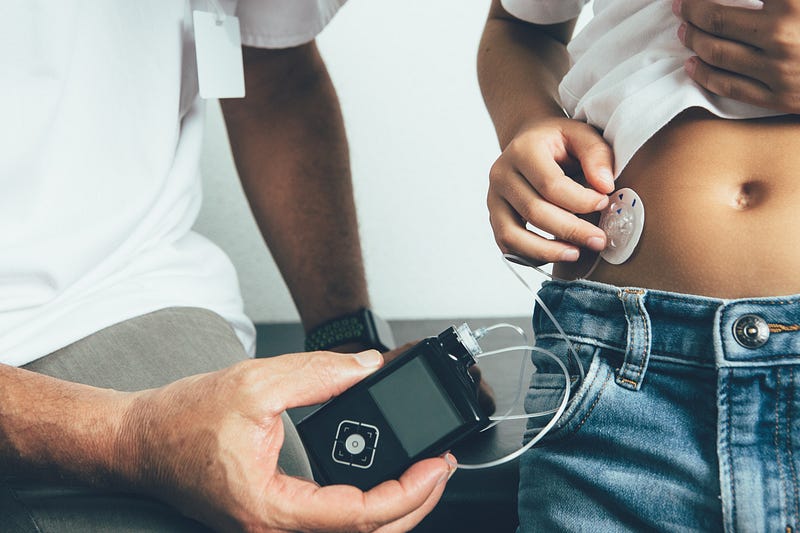
Photo by click_and_photo via Adobe Stock

I read a statistic the other day that shocked me:

People with type 1 diabetes are making roughly 300 more decisions per day than someone without type 1.

300 decisions! On top of everything else we are worried about these days (pandemics, record-breaking storms, adjusting to remote work), that is a lot of decisions for one person in one day.

As someone who has been living with T1D for the past 15+ years now, I can personally say I have been feeling the burnout increase in recent months.

So, what does diabetes burnout look like? And how can a loved one make just a few of those 300 extra decisions easier? Here is some advice that I have found helpful over the years…

What is Diabetes Burnout?

To explain Diabetes burnout, one must first understand a little of what those 300 decisions per day consist of.

In a typical day, common diabetes-related decisions on my mind include:

  • When should I take my blood sugar? — Typically, I do this 3–5 times a day, in addition to wearing a continuous glucose monitor (CGM) that tracks my glucose consistently throughout the day.
  • Do I need to change my insulin pump site? What about my CGM?
  • Do I have enough medical supplies?
  • Does my blood sugar feel low? Or am I just hungry?
  • Am I exercising enough during the day?
  • How many carbs are in that [insert edible item here]? Is it worth it?
  • When was my last Endocrinologist appointment?
  • Do I have time to stop working and treat my blood sugar?

The list goes on and on.

Diabetes burnout is similar to any other kind of physical, mental, or emotional burnout. The American Journal of Nursing has defined it as a “debilitating and ongoing psychosocial concept and a condition, often leading to challenges with self-management, suboptimal self-care, a high prevalence of diabetes-associated comorbidities and complications, a decreased quality of life, and increased health care costs.

As a result of the surplus of decisions Type 1 diabetics make in a day, those who experience burnout often neglect their treatment plans altogether to feel “normal” or less-stressed.

What Does Diabetes Burnout Look Like?

Diabetes burnout can often be self-realized. It essentially feels like getting frustrated, upset, or overwhelmed with your personal diabetes care and alleviating these emotions by neglecting usual aspects of the care.

According to WebMD, this can include:

  • Not taking your meds/insulin as prescribed.
  • Not checking blood sugar levels as often (if at all).
  • Not counting carbs or guessing how much insulin to take.
  • Not exercising as usual.
  • Not changing your pump site as often.
  • Not treating low/high blood sugars.
  • Skipping doctor’s appointments.

Often, diabetes burnout coincides with other external, stressful situations. Think: global pandemic, changes in routine — you get the idea.

How Can A Loved One Support Someone During This Time?

There are many ways loved ones can offer support to a diabetic experiencing burnout.

It is important always to remember to be encouraging, sympathetic, and understanding toward those who feel the effects of living with a chronic illness. After all, people with type 1 diabetes are literally functioning as their own pancreas 24/7.

Here are some useful tips to offer your support:

  • Offer to help with small tasks that may not seem like a big deal.

You can learn how to check their blood sugar, change their pump site, or make a doctor’s appointment for them.

  • Get them their favorite low blood sugar treatment.

This can be a great mood-booster to a diabetic experiencing hypoglycemia. Common low treatments can include juice, soda, glucose tablets, and honey. It is important to give a low diabetic fast-acting sugar and nothing that includes fat, like chocolate.

  • Offer support in other aspects of their life.

As I stated before, when external factors in a person’s life are stressful, it can trigger diabetes burnout. So, offer to help with chores, take the kids (or dog) out for the day, take them out to eat to save on cooking and cleaning — whatever you can do to offer a light distraction and relief from the stress of living with a chronic illness that requires 24/7 attention.

  • Educate yourself.

This one is important to me, personally. For those who have dealt with diabetes for a big part of their life, it may be hard to give up control and ask for help. Knowing that someone is well-researched on your condition and is educated on correct treatments can be reassuring. I have included some resources to educate yourself on type 1 diabetes below.

The essential piece to remember is that your loved one is trying very hard to keep themselves healthy. If you can offer genuine support in any way, it will absolutely be appreciated. Simple tasks that can be taken off our plate when experiencing diabetes burnout can be a huge weight off our shoulders, no matter how menial that task may seem. Remember to always remain educated on diabetes so you can offer your support most healthily and effectively possible.

Health
Chronic Illness
Wellness
Mental Health
Diabetes
Recommended from ReadMedium