
Tips and Tricks for Night Shift Workers
How to brave the midnight hour, while staying sharp and productive
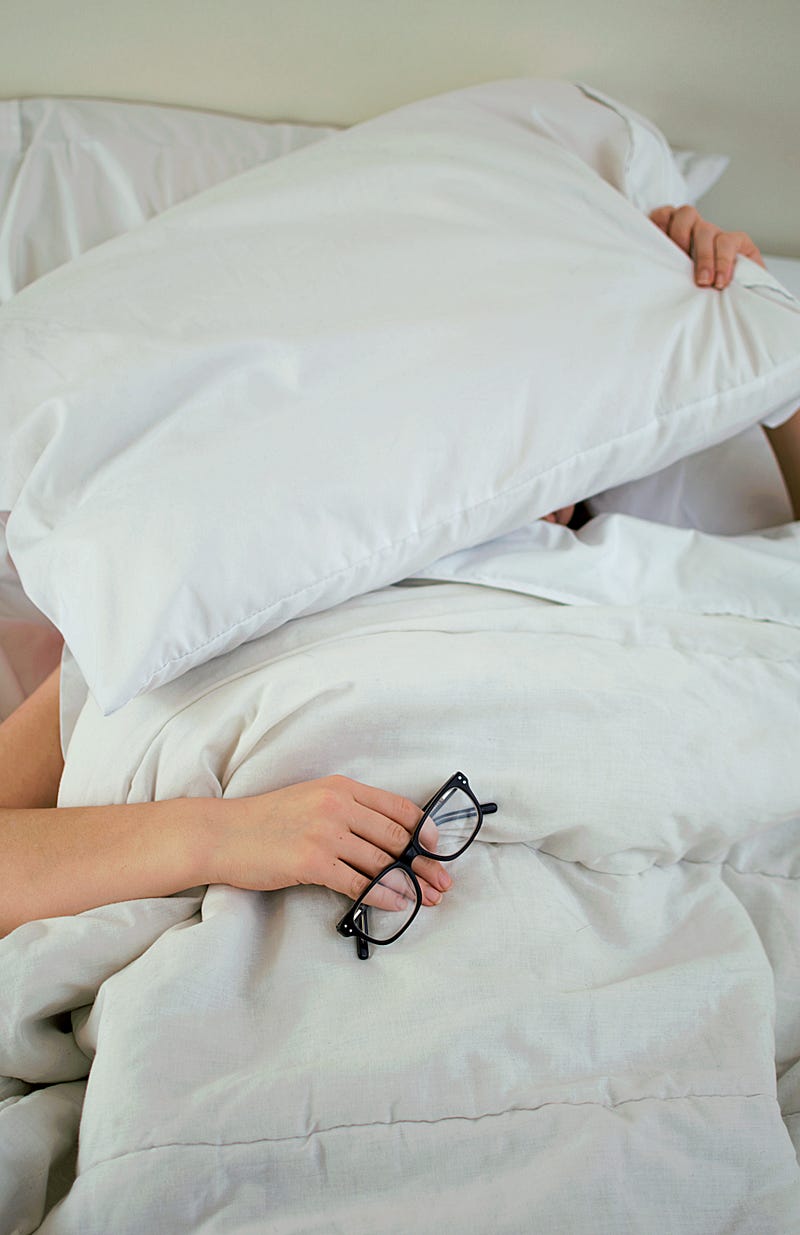
In all honesty, this could apply to any night shift worker but also any night owls looking to flip their schedules.
For context, I work shift work in a predominantly 12-hour nights/days split job in healthcare, with each night shift, lasting from 7:00 pm to 7:00 am. I have been working at this job and in this role for six years. That’s a lot of time spent burning the midnight oil.
I actually strangely look forward to my night shifts, as opposed to the days. I’ve always been more of a night owl, and find staying up late much easier than getting up early. However, there are times where I find myself struggling with the routine. This can especially be the case if you have a household, roommate, or partner who also does not work on this kind of schedule.
It is so important, working in the field that I do, that I am alert, and focused during these working hours. So, how do we achieve that at 4:00 am on a Tuesday?
Below, you will find my top tips and tricks for being functional during the middle of the night – while still maintaining your life and sanity outside of work.
1. Set Yourself Up for Success the Day Before
This means many things. Firstly, it helps to lay the groundwork the night before your scheduled shift.
The night before you are booked to work try to stay up later, maybe you work on a project, watch TV or read. Have coffee or tea later in the day to help facilitate this (if you are partial to caffeinated beverages). By staying up later you start the work of flipping your sleep schedule.
Along with this, do not set an alarm for the next day after your late night. Attempt to sleep as late as you can. This will also help shift your sleep schedule.
2. Fuel Your Body
I have a confession, for me, when I am working nights I find myself completely devoid of any appetite. I realize this is not good for my body and my health, but truly at 3:00 am my stomach says immediately no to food.
Usually, I will try to combat this by eating a large meal before I go to work, and once when I return home, with snacks available in my car for the commute, since usually on my drive back from work I am ravenous.
This is somewhat in line with what experts recommend. For those working night shift it is recommended, if possible, to avoid eating between the hours of midnight and 6:00 am.
If you do require a snack throughout the night it’s best to stick to something small, and high protein, and avoid sugary or sweet foods (most likely to contribute to a crash later on). So packing healthy snack options, protein bars, greek yogurt, or mixed nuts can be a great option to help work through the midnight blues.
Now, I know many prefer small snacks they can eat on the go, since, as those who work in hospitals will know, there’s no predicting or telling if or when you will get your break. I don’t want to say this is the nature of the beast when working in healthcare, but more so a pervasive and toxic problem that was present even before our current COVID-19 crisis due to chronic understaffing, unsafe and unmanageable patient-nurse ratios, and burnout.
3. Take Your Breaks
This segues nicely into my next topic. Say you do finally get away on a quick break.
Should you sleep?
There are two schools of thought. I work with people on a nights-only schedule. For them, some choose to stay awake and not nap on their breaks, instead using that time to relax or watch Netflix on their phone. This has the benefit of keeping you awake, and not having to combat the post-nap fatigue, however, at 3:00 am it is hard to deny the body the rest it needs.
Others, (the overwhelming majority of those I work with including myself) will use break time exclusively for a quick nap and rest. For me this often means finding a place to lie down, getting cozy, and listening to a podcast by headphones to drift off to sleep.
Research indicates that healthcare workers who nap on their night shift breaks have better work performance, decreased fatigue, and more focus.
The downside of sleeping, given that my body is not fully adjusted to a permanent night schedule, despite my best efforts, is that I wake up tired and craving just a few more minutes (or hours) of rest.
This is where our friend coffee comes in.
4. Caffeinate in an Appropriate and Timely Fashion
Okay, this is an important one. Coffee.
Coffee (or your caffeinated beverage of choice) can not only be delicious but an absolute lifesaver for anyone working the night shift. What is equally important is when you choose to consume it. So here are my general rules.
I try to treat my night shifts the same as I would function on days. With that mentality, I will drink coffee or tea prior to going to work (my “morning”) and will consume it on my shift, except for after 2:00 am.
Similar to my life during daylight hours, I wouldn’t drink coffee or caffeinated tea after 2:00 pm, or else I’ll be up all night, staring at my ceiling and unable to sleep. The same rule applies to night shifts. Getting good rest during the day starts with setting yourself up for success. This means, (for me at least), no caffeine after 2:00 am, unless absolutely necessary (you can use your own judgement with this one).
Caffeine can further perpetuate dehydration and can lead to worsened fatigue. It is important if you are caffeinating that you are also drinking water so you can think clearly and stay energized.
5. Post-night Shift Sleep
So, you finish your shift, you carefully drive home (snacks in the car are great for helping stay awake). Now it’s time for the thing you have been dreaming about all night – passing out in your bed.
As I (and many other shift workers) often don’t work just one night shift at a time, the post-shift sleep is vital to ensure you get enough rest in before you have to wake up and do it all again “tomorrow” (tonight).
After eating some breakfast and winding down with a hot shower, I get into comfy clothes.
The environment you are sleeping in is very important and can have a big impact on the quality of your rest. This means adequate temperature control in your room. If you are cold, have extra blankets handy. If you are too hot always, buy a window air conditioner unit (game-changer for the summer months).
A restful sleep means controlling the noise in your environment (to the best of your ability). If you have partners, kids, or roommates make sure they are aware that you are working night shift, and if possible to keep their volume to a minimum. In my case my partner often chooses to go work out of his office when I am on nights, however, I never find myself bothered during the day when he is home as I am a pretty heavy sleeper.
Light is the factor that I battle with the most on my days sleeping. While I am a relatively good sleeper a bright room will keep me awake even when I am exhausted. Things that help are eye masks for sleeping, shutting the bedroom door, and black-out curtains. Black-out curtains made a huge difference when I started using them. I find they have made my sleeps deeper and even prevent me from waking up too early with the sun on days I am not working.
I usually will aim to sleep from 8:30 am to 3:00 pm-4:00 pm post-night shift, especially if I have another shift coming up that night.
Night shifts can be tough, and there are some who just can’t seem to get into the swing of it. Even myself, a professed night owl I still struggle with them, especially when switching back to a “regular life” schedule post-shift.
The best thing you can do is find the routine that will work best for you. I hope some of these suggestions can help you on your way next time you pick up that shift.


