
Tiny plants in Iceland
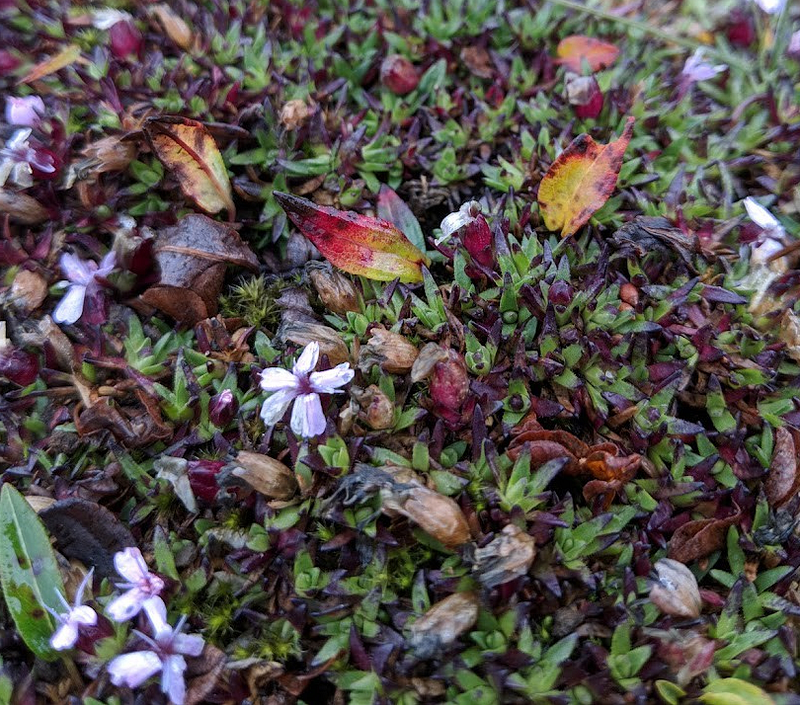
Plants from cold regions are usually small, as the short summers force them to “live fast lives”. These ones in Iceland were so tiny!
This story gives a glimpse at the smallest plants I photographed during various hikes in Iceland. You can see in many photos that the background is blurred; that’s because I took the photos from very close in order to capture the details of these tiny plants thus leaving the background out of focus.
You’ll see that many of these plants do not gain much height, rather preferring to remain flat and close to the soil. This is probably to remain better shielded from the winds:
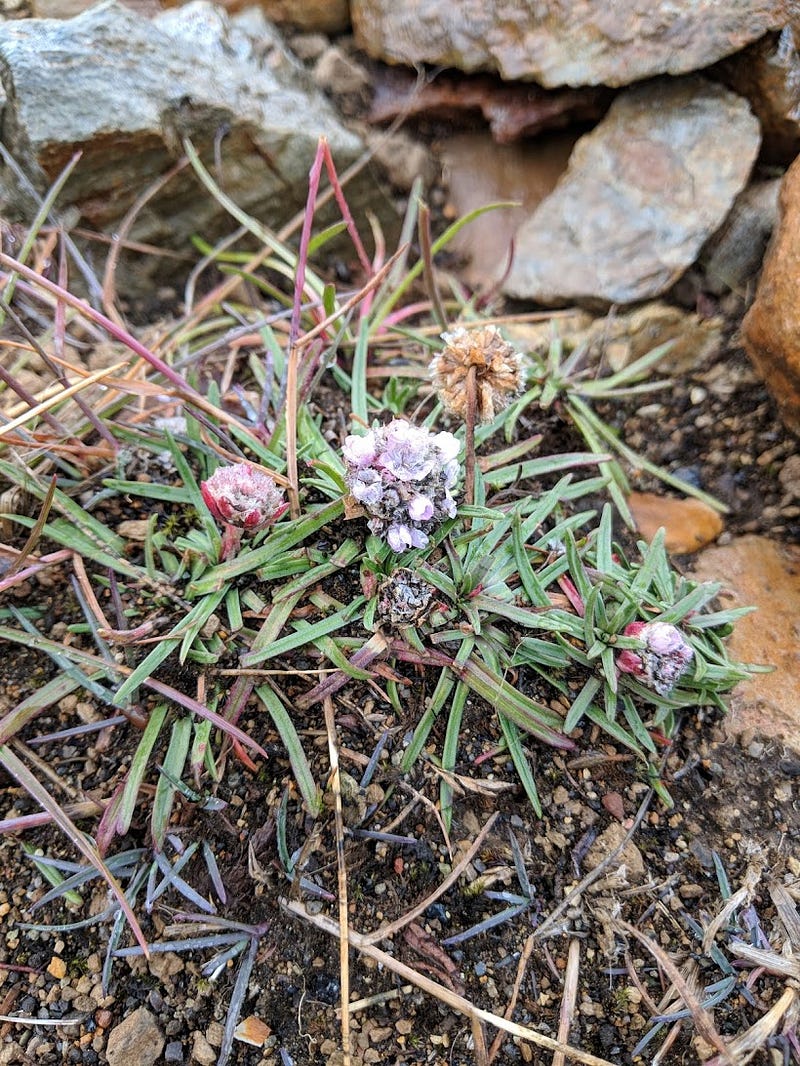
In this one only the inflorescence shoots up:
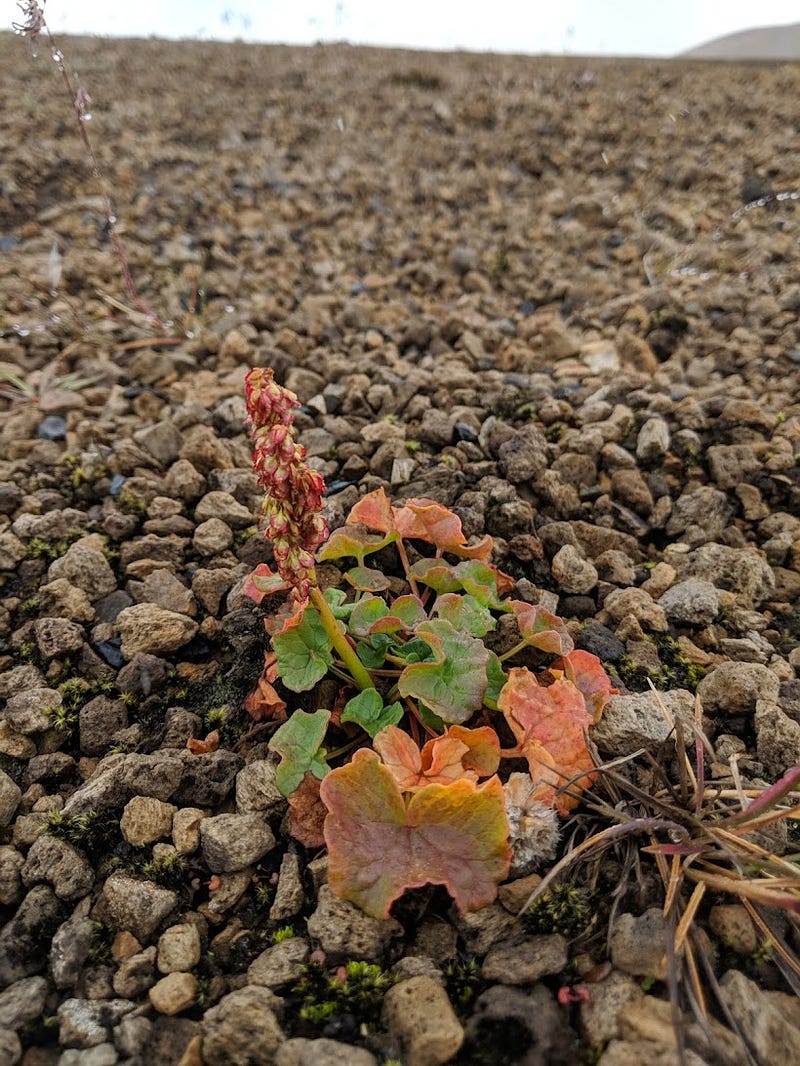
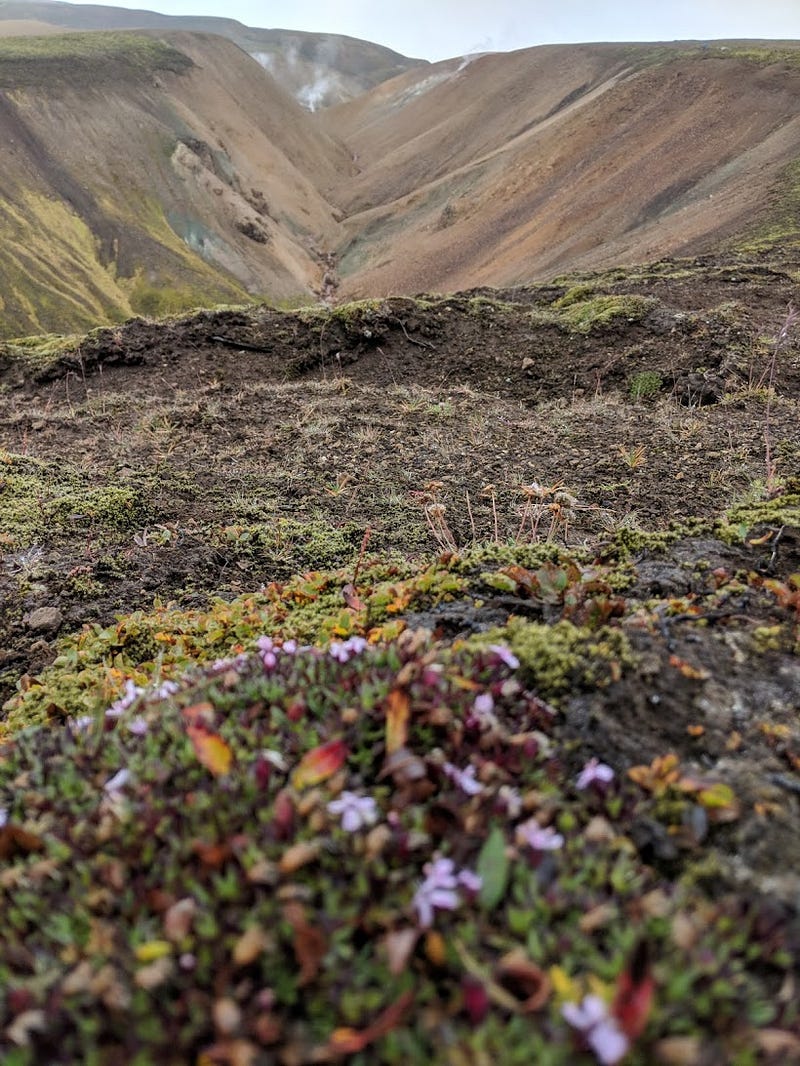
Another plant that remains very flat -even its flowers stay down there:
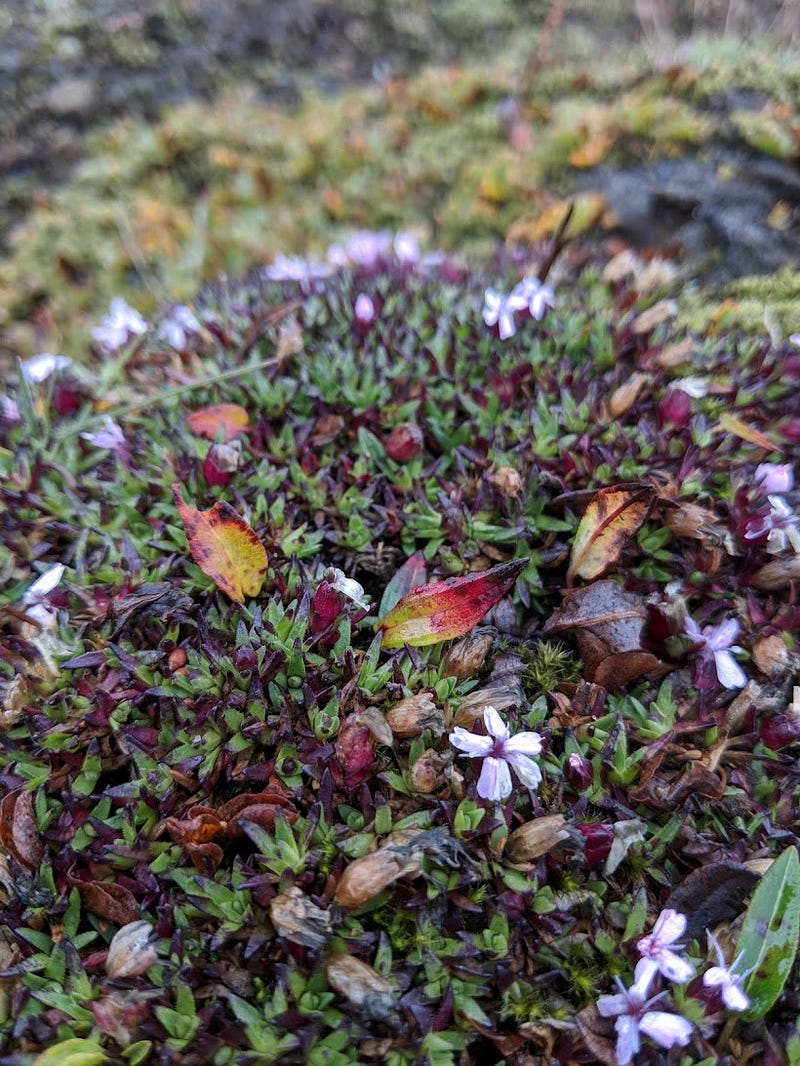
This one is the same plant as above but photographed to show the fuming lands in the background:
Some species are not intrinsically small/short; rather, they can grow big when conditions are adequate but can adapt to grow small in harsh conditions like those in the latitudes of Iceland. For example, this plant grows much bigger in Switzerland but develops to a quite small size in Iceland:
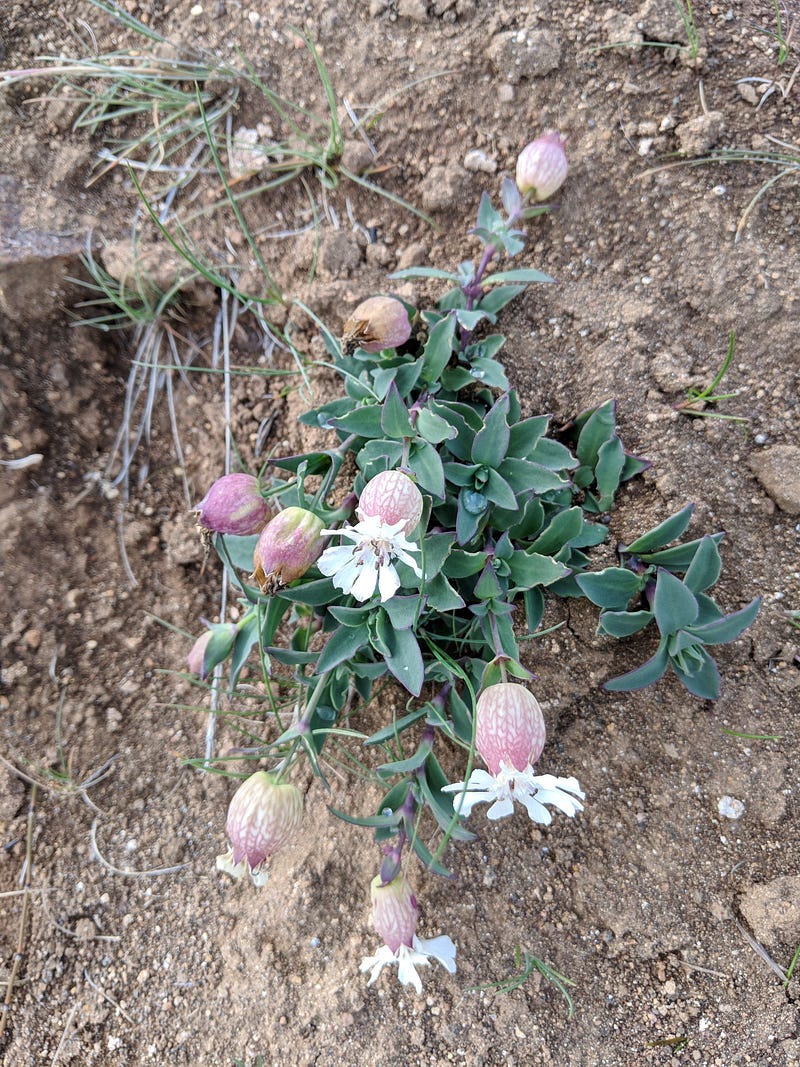
By adapting themselves to grow small sizes, they stay protected from the wind, frost, and cold.
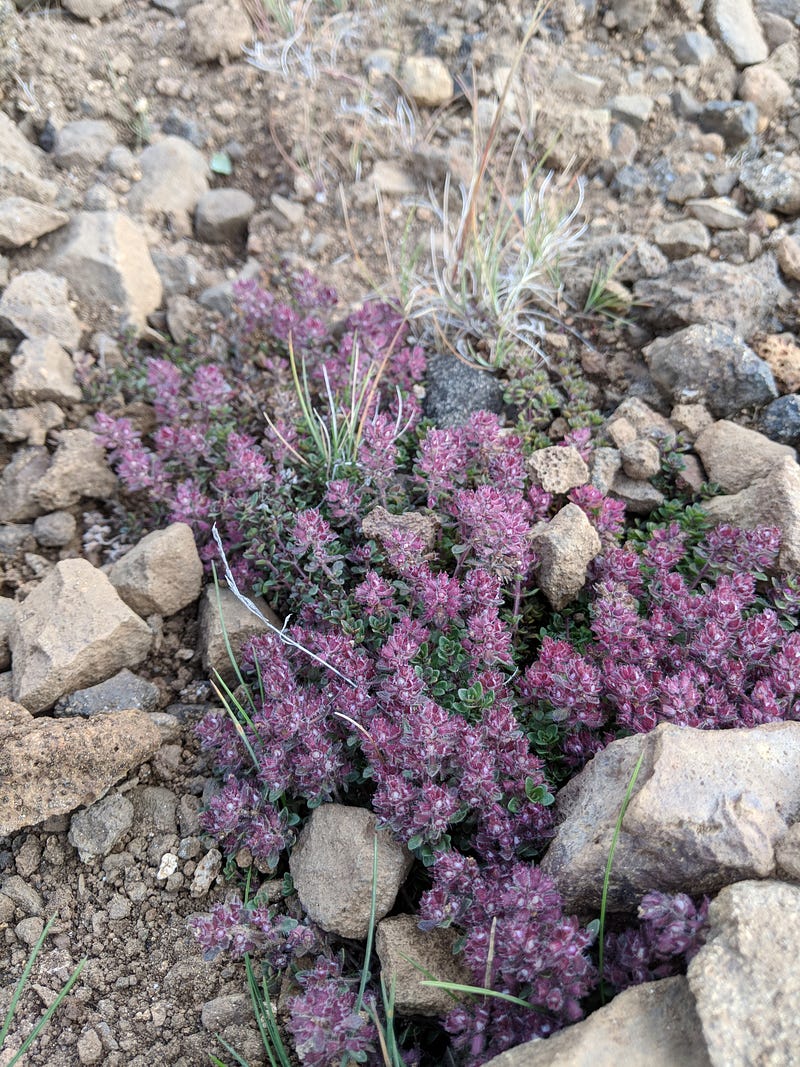
Another strategy plants use to protect themselves is to grow in-between small stones and rocks:
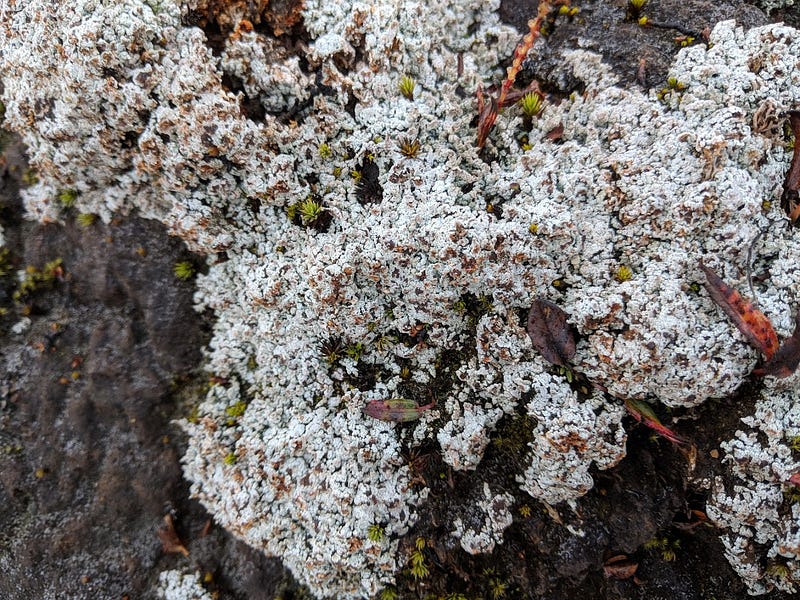
… and even mixed with other organisms, as here you see some small plants sprouting from this lichen -a very resilient association of a fungus with algae or cyanobacteria:
To see more photos of Iceland’s landscapes, check this story:
And to get my tips about how to travel around Iceland with a campervan (a very popular way to visit the country, to cut down costs and overcome the problem of finding accommodation as you move around) see this:
I am a nature, science, technology, programming, and DIY enthusiast. Biotechnologist and chemist, in the wet lab and in computers. I write about everything that lies within my broad sphere of interests. Check out my lists for more stories. Become a Medium member to access all stories by me and other writers, and subscribe to get my new stories by email (original affiliate links of the platform).


