
New Strategies You’ve Always Missed: Weight Loss with Diabetes
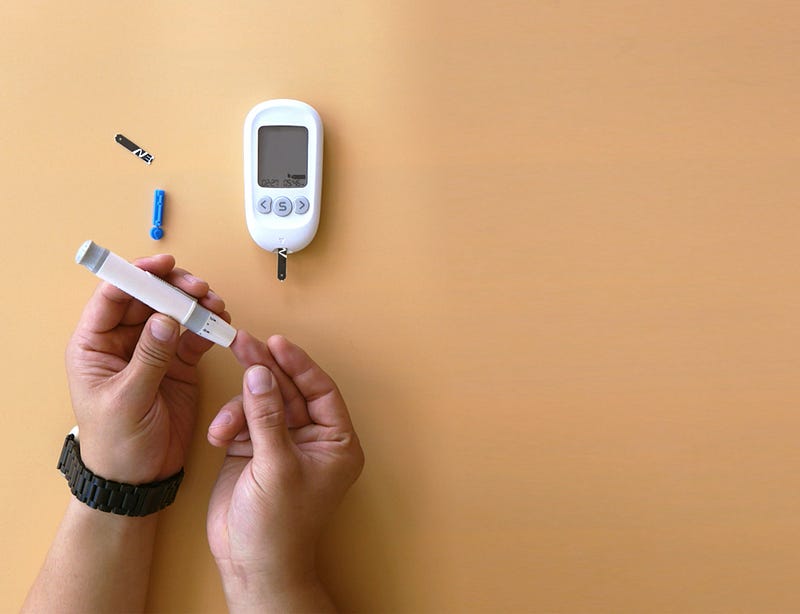
Chronic diseases like diabetes demand a comprehensive management approach which includes weight loss as a key element. Reducing and maintaining weight has been proven to not only control diabetes effectively but also to significantly improve the life quality of diabetic patients.
weight loss is a crucial aspect of diabetes control. It not only balances the blood-sugar levels but significantly minimizes the chances of diabetes-related complications. This clarifies the necessity of incorporating a healthy diet and regular physical exercise into a diabetic patient's daily routine.
Background on diabetes
Diabetes is a chronic disease that occurs when the pancreas does not produce enough insulin, or when the body cannot effectively use the insulin it produces. Insulin is a hormone that regulates blood sugar and helps convert glucose from food into energy. High blood glucose is a common effect of uncontrolled diabetes and over time leads to serious damage to many of the body’s systems, especially the nerves and blood vessels.
According to the World Health Organization, it is estimated that 8.5% of adults worldwide - that is about 422 million people - had diabetes in 2014, a number nearly four times the figure of 108 million in 1980. The global prevalence of diabetes has been rising more rapidly in middle- and low-income countries.
There are two main types of diabetes: type 1 and type 2
- Type 1 Diabetes: This type of diabetes, also known as juvenile diabetes, typically develops in childhood or adolescence, but can occur at any age. It happens when the body’s immune system destroys the cells that produce insulin. As a result, the body makes little or no insulin. People with type 1 diabetes must take insulin every day to stay alive.
- Type 2 Diabetes: This is the most common type of diabetes, accounting for about 90-95% of all cases. It typically develops in adults, although it can occur at any age. In type 2 diabetes, the body either does not make enough insulin or does not use insulin properly. Some people can control their type 2 diabetes with healthy eating, regular exercise, and monitoring their blood glucose levels. Others take insulin but insulin is not ideal to be taken by type 2. However, you could take other diabetes medications.
Both types of diabetes are serious and can lead to complications if not well controlled. Complications include heart disease, stroke, kidney disease, blindness, nerve damage, and amputation.
Statistics on the increasing prevalence of diabetes
Obesity has long been known to be one of the most significant risk factors for developing type 2 diabetes, a condition characterized by high blood sugar levels. When people are overweight or obese, their body’s fat cells require more insulin to take up glucose for energy. Over time, their pancreas has to work harder to produce enough insulin to keep up with the demand. some tend to say, the pancreas can’t produce enough insulin to overcome this resistance, leading to persistently high blood sugar levels, or type 2 diabetes. Others still attribute high carb foods with high glycemic index as the driving force if you eat them unnecessarily too often.
There is considerable evidence showing that even moderate weight loss can have a substantial impact on blood sugar control for people with diabetes. When overweight people lose weight, even if it's a modest amount, they can improve their body's insulin sensitivity. This means that their body can more efficiently use the insulin it produces, decreasing blood glucose levels.
One of the most important mechanisms through which weight loss helps manage diabetes is its effect on the body's insulin sensitivity. By losing weight, individuals can improve their body's ability to effectively utilize insulin, leading to more stable blood sugar levels.
Moreover, weight loss can have beneficial effects on several other health parameters that are often affected by diabetes. For instance, losing weight can help decrease the risk of cardiovascular disease, a common and severe complication of diabetes. This is because weight loss can help lower blood pressure and cholesterol levels, two major factors involved in cardiovascular disease.
Apart from the improved metabolic parameters and reduced cardiovascular risk, weight loss can lead to increased energy levels, better mobility, improved sleep, and enhanced overall quality of life. On top of improving physical health, weight loss can also have positive effects on mental health, reducing depression and anxiety, and enhancing the general sense of well-being.
weight loss can have a profound impact on diabetes management and prevention. It can increase insulin sensitivity, reduce blood sugar levels, lower the risk of diabetes-related complications, and improve overall health and well-being. However, it’s important to keep in mind that weight loss should be approached in a healthy and sustainable way, aiming for slow and steady progress rather than quick fixes. Consulting with healthcare professionals can ensure a safe and effective weight loss plan tailored to individual needs and abilities.
Strategies for weight loss in diabetes
A balanced diet plays a vital role in managing diabetes and maintaining a healthy weight. When managing diabetes, it’s important to eat a mix of proteins, carbohydrates, and fats. The key is proportional consumption and maintaining balance between them. Diabetic patients should focus on consuming foods high in fiber, such as whole grains, fruits and vegetables, which can help to control blood glucose levels. Portion control is also crucial. Even if you’re eating healthful foods, calories can add up and so can the carbohydrates leading to weight gain and higher blood glucose levels. So, be mindful of the food choice itself.
Regular physical activity compliments dietary changes and helps maintaining a healthy weight. It stimulates the body to use insulin effectively and helps to lower blood glucose levels. It can be as simple as walking, cycling or involving in some form of sport. However, it's always better to consult a healthcare provider before starting any new fitness routine to understand what level of activity is suitable, how to safely start a regimen and build up over time.
For some individuals, diet and exercise may not be enough to achieve weight loss or control blood sugar levels. In these cases, medication or insulin might be required. Different classes of diabetic medications have different mechanisms of action, some provoke weight loss while others might induce weight gain. That's why, understanding the potential weight-related effects of the medication could be beneficial in controlling weight and managing diabetes.
Insulin therapy itself does not cause weight gain for type 2 diabetes, but the way it’s used might. When not balanced properly with food intake and physical activity, excess insulin might cause the body to store fat, leading to weight gain. Therefore, it’s crucial to use insulin wisely under medical supervision along with following a healthy diet and lifestyle. Personally i wouldn’t take insulin if i am type 2 diabetic.
Always remember, managing diabetes and weight is not a one-size-fits-all approach. It requires a tailored plan to meet individual needs and goals, which includes a balanced diet, regular physical activity, appropriate use of medication, regular check-ups, and above all, a positive and motivated mindset.
Effective and safe methods for weight loss with diabetes
Diabetes is a serious health condition that needs continuous management, and diet plays a crucial role in controlling blood sugar levels. Some popular diets for individuals with diabetes include:
- Mediterranean Diet: This emphasizes on eating primarily plant-based foods, like fruits and vegetables, whole grains, legumes, and nuts.
- DASH Diet: This Dietary Approaches to Stop Hypertension helps to lower high blood pressure and manage diabetes by consuming a diet rich in low gkycemic index fruits, vegetables, and healthy fats for satiety.
- Low-Carb Diet: This restricts carbohydrate intake to help manage blood sugar levels. Carbohydrates in question are those with high glycemic index.
It is vital for those with diabetes to consult with healthcare professionals or registered dietitians before starting any diet plans as they can provide personalized advice based on health status, lifestyle, and dietary preferences.
Behavioral therapy plays a crucial role in support for weight loss. It helps in breaking unhealthy patterns, establishing new habits, coping with stress and temptation, and building self-efficacy. There are several approaches, such as cognitive-behavioral therapy, motivational interviewing, and problem-solving therapy.
Support groups also offer immense benefits. They provide a safe space to share experiences, challenges, victories, and gather tips and advice from those who are going through the same struggle. This can be incredibly encouraging and help people stay committed to their weight loss goals.
Managing diabetes through appropriate diet, counseling from healthcare professionals, and support from behavioral interventions and groups can lead to more sustainable weight loss and overall better health.
Conclusion
Weight loss is crucial in diabetes management. Diabetes is a metabolic disorder that impairs the body’s ability to use and store glucose, resulting in high blood sugar levels. Carrying extra weight creates additional strain on your body’s ability to control blood sugar, making your diabetes symptoms more severe. Significant weight loss can help reduce this strain, allowing for better glucose control.
Shedding excessive pounds can also decrease insulin resistance, providing your body with a better ability to use insulin adequately. This is vital in the prevention and management of diabetes-related complications such as heart disease, kidney damage, and nerve damage. Additionally, weight loss improves blood pressure and cholesterol levels, reducing the risk of heart-related diseases.
For individuals with diabetes, adopting a weight management plan is not a matter of choice, but a necessity. Incorporating regular physical activity, eating a balanced diet, and monitoring your blood glucose levels are some of the ways you can lose weight and successfully manage diabetes. They are fundamental to achieving balanced blood glucose levels and leading a healthier, happier life.
In conclusion, adopting a healthier lifestyle and prioritizing weight loss can significantly improve your well-being, reduce the symptoms associated with diabetes, and decrease the risks associated with the disease. This transition may not be easy at first, but the journey is worth every step. The potential rewards of better health, increased energy levels, improved body functioning, and overall better quality of life are significant.
As a person living with diabetes, you have the power to control your weight, manage your condition, and lead a healthier, happier life. Start today, stay committed, and reap the benefits of weight loss in diabetes management. You owe it to yourself to take control of your health. Take the first step towards transforming your life for the better. Be the change you want to see in your health.
Check out this experience here.
Disclaimer:
There may be affiliate links in some of the external links outside of this article. Make to read disclaimers from those websites as well.


