
Week 2, Day 3
Time Travel — the Latest and Greatest Solution to Your and the World’s Problems
Don’t delay — sign up today!

Hey, Simão, you’re onto something!
Time travel just might be the panacea for what ails you and me and the world! Thanks for mentioning it!
After all, we have a population explosion going on right now. If we could thin things out a bit, the rest of us could breathe a little easier.
If we could relocate about a third of the world’s population to a time and place that has lots of room for them, maybe before cities were a thing, think of the water, electricity, and carbon footprints we’d save!
So maybe, just maybe, time travel is good for the planet.
There are so many fascinating places and times to visit, who wouldn’t want to help the planet by relocating? Can I get an amen?
Yes, conditions were more primitive back then. Even twenty years ago. Sans iPhones, tablets, and insta-everything.
But the air was purer, the produce more nutritious, and life was simpler.
Even a short stint under those conditions might help us slow down, take deeper breaths, relax more, and live longer.
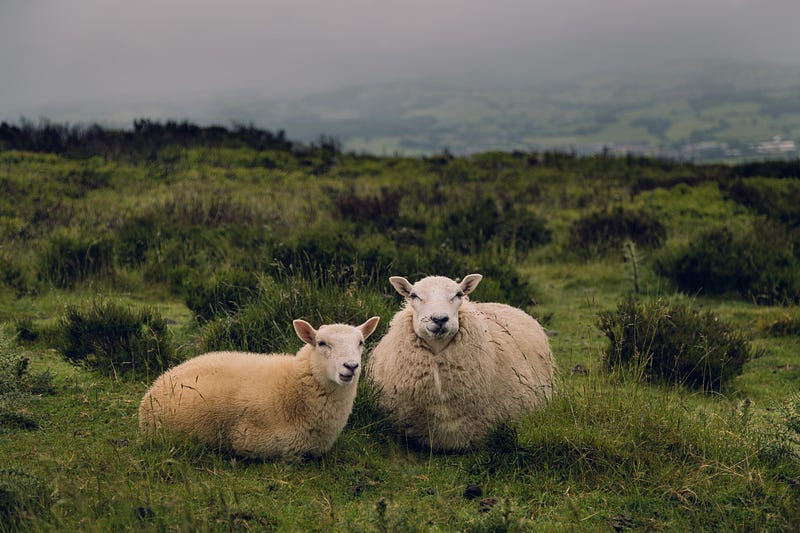
We’d have to do more chores. More work. Just to run a household. Grow our own veggies. Sheer our own sheep. Churn our own butter. Walk into town for soap and ale. But think of what that would do for our waistlines and metabolism.
We’d get more sleep.
No TV’s, no radio, no computers to zap us with whatever that element is that keeps us riveted, distracted, and sleepless. No electricity to extend the day beyond dusk.
Unless we venture to the local tavern, or midsummer festival bonfire, or a star-light vigil of some kind, the logical thing to do would be to hunker- bunker down for the night.
Our bodies would thank us.
While we could never quite make up for the sum total of years of sleep we’ve lost living in the here and now, we’d return refreshed and rejuvenated.
Our circadian rhythms would be reset and we’d have an easier time sleeping — as long as we resist the huge electronic temptations waving at us like sirens of old.
They say it only takes 21 days to undo a bad habit and replace it with a new one. Who’s game?
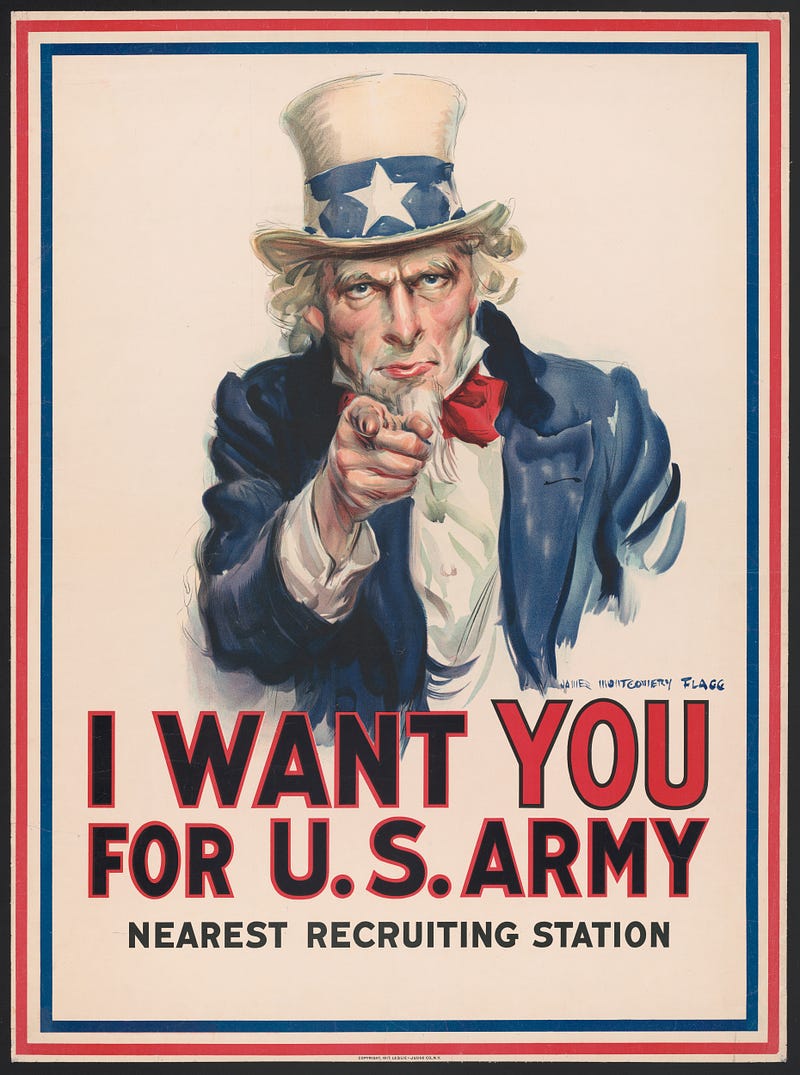
Mother Earth wants you!
So even if it’s a temporary tour of duty, think of it like you would enlisting in the military. Yes, there’s some danger involved, but honestly, there are so many dangers involved in the here and now, you’re no worse off and you might be exponentially better!
Plus, like the military, we can incentivize the opportunity with something like free college tuition or a lifetime subscription to Netflix so you can catch up on all the blockbusters you missed. Unless you succeed in swearing off electronics like mentioned earlier.
Clearly, the benefits outweigh the risks.
But wait! There’s even more!
You have a chance to be a hero or heroine and have a lasting impact on society. Who wouldn’t jump at the chance to go back there with what we know now and enlighten the ignoramuses?
This is way bigger than Peggy in Peggy Sue got Married trying to sew two nylons together and grace 1960 with the girdle-less stockings known as pantyhose.
You can make a significant difference!
How would you like to be part of the third medieval renaissance in Europe where art, poetry, and education flourished? Women like Hildegard of Bingen stood up to popes and emperors, telling them off like an older, clerical version of Greta Thunberg, referring to Christ as the Green Man, urging respect for the planet back in the 1100s.
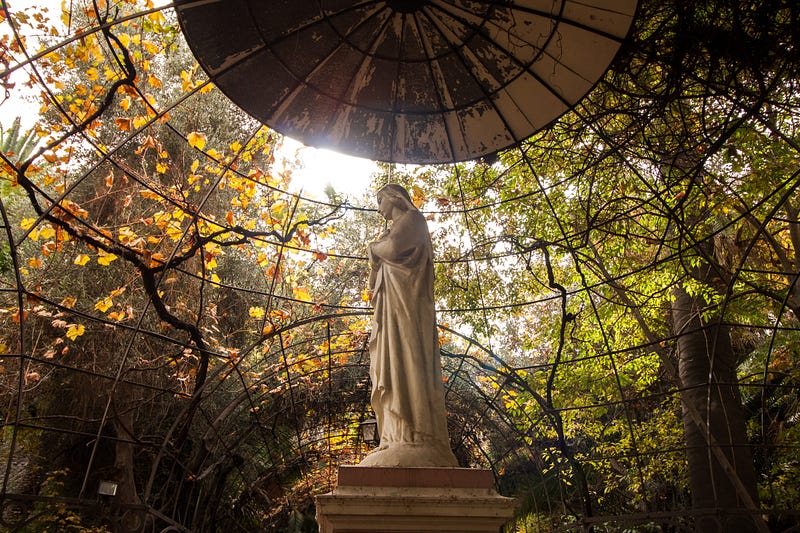
Just think, if you were part of the movement to get us on track with that agenda, our planet might not have to die.
Not only that, she and her sisters of the cloth wrote music and books, painted, ran a hospital practicing herbal medicine, and was respected and sought after for all of the above. Surely you and your talents could blossom in such a time as that was.
Or More Recently…
How would you like to be part of the framing of the U.S. Constitution and tell those puffed-up revolutionary war heroes that King Cotton to the contrary, slavery is not a good idea? It will lead to the worst Civil War in history and damage our rep as a leading light of liberty. Not to mention, it’s just plain wrong!
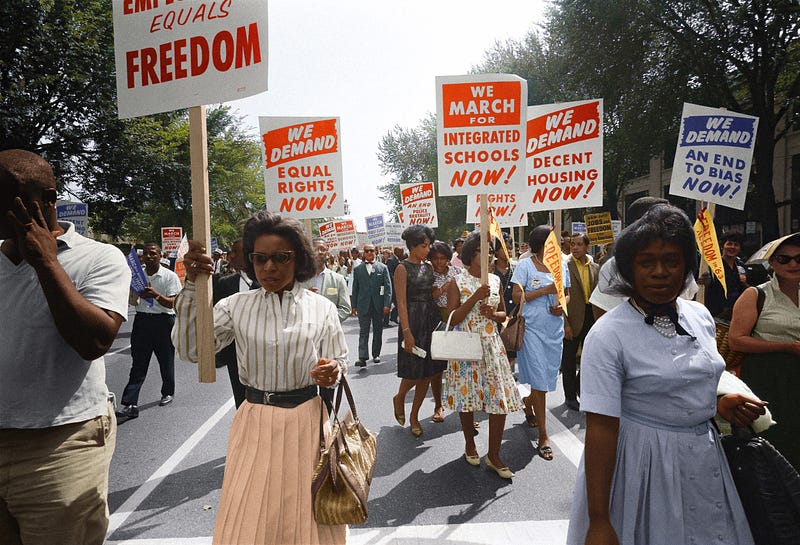
We sure could have used some more abolitionists. And suffragettes. And freedom fighters. But not too many. We still need a lot of you for unfinished battles in the here and now. Voter’s rights for instance. But you can go back there and learn, then come here and do!
If we had some folks who would be willing to transport back to the early 1930s in Germany with what we know now, maybe history would not have gone the way it did.
It would take a lot of you, but that’s the whole idea. Strength in numbers then, more wiggle room now. We’re all gonna die anyway, why not make it momentous.
Of course, there would be dozens of literary/artistic excursions. Paris in the 20s. Mexico City in the 40s with Frida and Diego.
Learn from ancient cultures: Greece comes to mind, but also Mesopotamia. The Samurais of Japan. Ancient Persia with Rumi. Africa before the European invasion. Anywhere before the European invasion. America before the first or the second British invasions. Lots of choices!
Time travel also includes the future.
Any takers? No? Aren’t you at least curious to see how we get out of COVID, racial violence, and the climate mess we’re in?

Wouldn’t you want to fast forward to a future where an elder Ms. Greta is the head of the United Nations, gas-guzzling jalopies are on display in the Smithsonian, and at the center of every settlement is a huge community organic garden, solar plant, wind farm, and a gym where folks on treadmills generate power for the town while working out?
However, you’ve got to set the dials just right. Too soon and you end up smack dab in the eminent cataclysm we’re hoping to avoid, or are busy denying is coming.

That’s that part where the waters rise, extinction goes off the charts, breadbaskets turn into deserts and COVID turns into a multi-generational plague. Sound familiar?
Do try to skip this one. It doesn’t need any more mouths to feed and water.
But with that one small caveat, time travel is a win-win. Who’s ready to sign up?
Thank you, Diana C. and Simão Cunha for this timeless prompt!
Marilyn Flower writes political humor and satire to delight socially and spiritually conscious folks. She’s a regular columnist for the prison newsletter, Freedom Anywhere, where she writes about faith and prayer. Five of her short plays have been produced in San Francisco. Clowning and improvisation strengthen her resolve during these crazy times. Stay in touch!