
Time to Rethink the Meaning of Normal and New Normal
Let us stand with our faces looking to the future and our backs to the past.
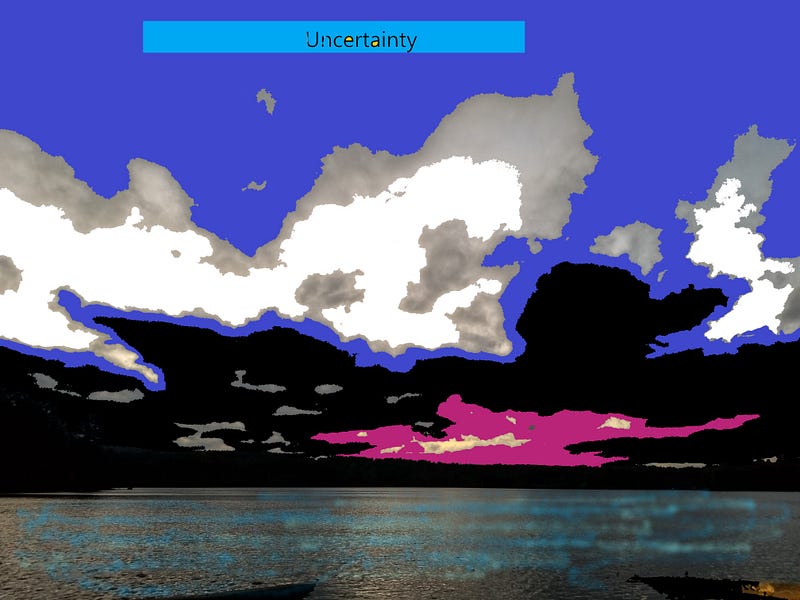
The entire county is brooding as massive clouds play with the light, darkening the days, concealing the sun. Even the clock itself seems to twist, and pirouette.
As the pieces of our lives shatter and reform into unrecognizable shapes, and the world spins like a carnival ride, normal as we knew it has assumed a strange character with a new meaning — nothing more than a feeling of lost control, an adjustment period we go through to get to something that will feel normal again.
What does Normal mean?
We’re not sure what exactly the future will look like — which is why, in the face of fear and uncertainty, people long to go back to a time before the dread set in with a propensity to idolize past normality.
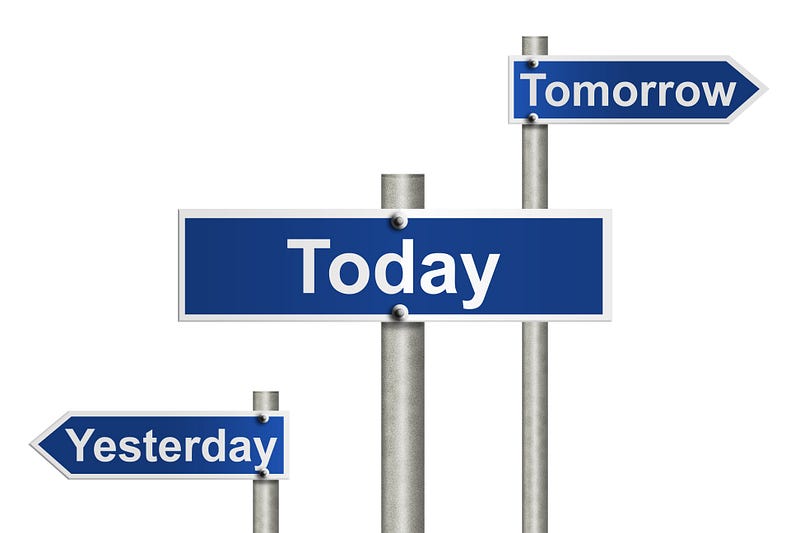
As much as we’d like to project backward, the notion of normalcy is merely temporarily unsolved but ultimately resolved by doing something different. Normal has many faces. It used to be no treatment for a cavity other than tooth extraction when it got unbearable. Normal used to be living without a cell phone, without running water, without cars.
The new normal
We find ourselves wandering circuitously toward the New Normal under the auspices of a force stronger than farsightedness, more compelling even than anxiety or fear — a narrative determined without any interference from us. Perhaps that’s our modified wish to regain power again. Yet, spinning like a stick in the subjectivist whirlpool of a breakdown. The anguish we could have saved ourselves if only we’d known.
The New Normal is not original. It’s a visceral experience; an arrow shot from the past to the future. Progress, that’s what we’d like to believe, to better times. The new normal will mean that most of us will go back to most of what we were doing before the pandemic struck or before an innocent black man was murdered.
The New Normal has affirmed its place in the order of things, a revelation of forces, a series of momentous changes. The changes are still unfolding and will continue, an alterable condition.
Return to normalcy
It’s tempting to wonder when things will return to “normal,” but the fact is that they won’t — not the old normal. Our journey won’t be a return so much as a departure.
Moving forward with an eye on the past, and knowing what was left behind, allows for relevancies to emerge. There is a word in Hebrew, Kadima. It means “eastward,” or “forward.” These words detonate progress, a powerful word in the lexicon of the Jewish homecoming.
One of the most admirable traits about humankind is its ability to adapt.
We may grouse and grumble, kick, and cry. But given time, no matter what situation we find ourselves in, we adjust. By this standard, the amended normal is one in which our healthcare systems and governments are prepared to deal with Covid-19, by which we behold each other beyond the color of our skin.
In short, the New Normal changes what was wrong but keeps what was right with the old normal.
If you liked reading me so far, you might like some of my other stories.


