
Time Series in Machine Learning: Understanding and Applications
In today’s digital age, businesses generate a vast amount of data every day. This data can be utilized to gain insights into the past and make predictions for the future. Time series analysis is one such method used to analyze and predict trends in time-dependent data. In this blog post, we will explore what time series analysis is and how it is used in machine learning.
👉 Get UNLIMITED access to every story on Medium with just $1/week — HERE
💡I write about Machine Learning on Medium || Github || Kaggle || Linkedin. 🔔 Follow “Nhi Yen” for future updates!
What is Time Series Analysis?
Time series analysis is a statistical method used to analyze and extract meaningful insights from time-dependent data. It involves the study of past data to make predictions for the future. Time series analysis is used in various fields, including finance, economics, weather forecasting, and many more.
Applications of Time Series Analysis:
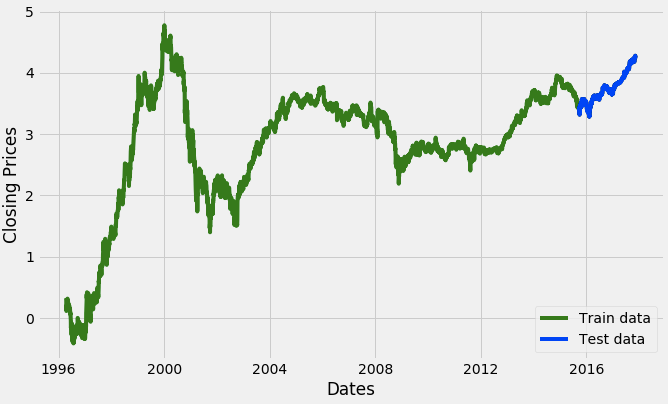
- Finance: Stock prices, currency exchange rates, and commodity prices fluctuate over time. Time series analysis can help predict future prices based on historical data.
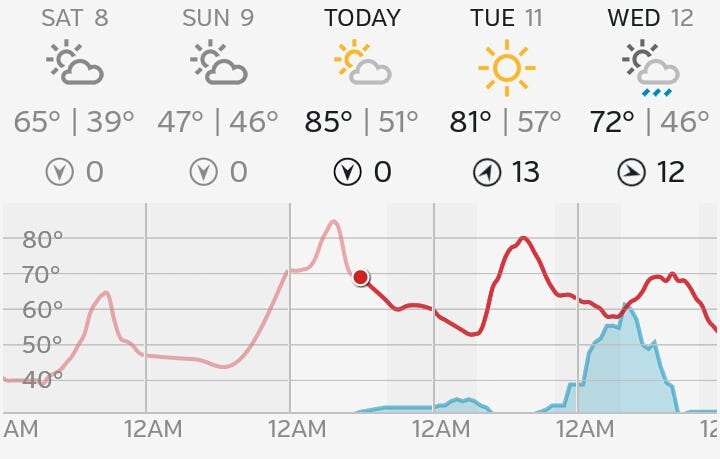
- Weather Forecasting: Time series analysis can be used to predict weather patterns based on historical data.
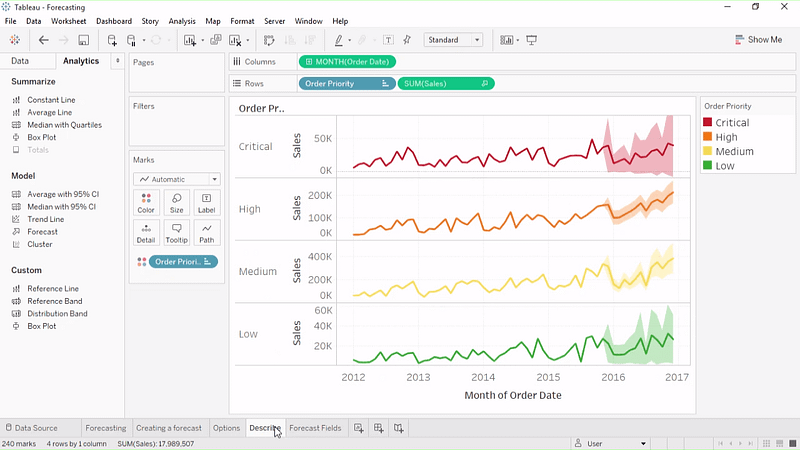
- Sales Forecasting: Retailers use time series analysis to predict future sales based on past sales data.
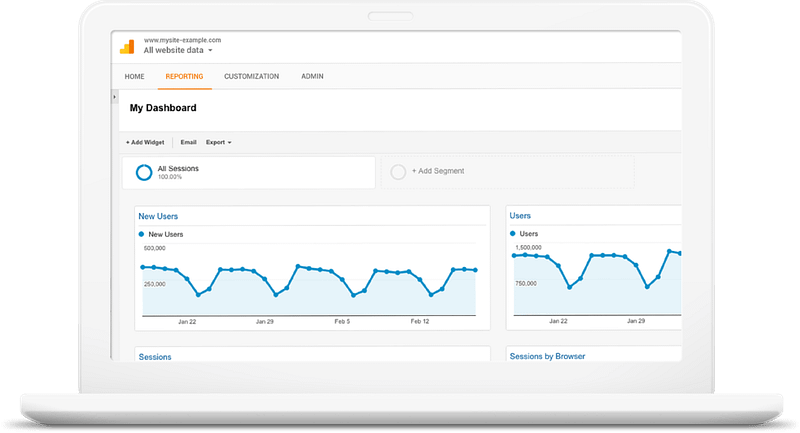
- Website Traffic: Website owners can use time series analysis to predict future website traffic based on historical data.
Python Code Examples
Let’s take a look at some Python code examples to illustrate how time series analysis can be implemented.
Example 1: Simple Moving Average
The simple moving average is a common method used in time series analysis to smooth out the data and identify trends. The code below shows how to calculate the simple moving average using the Pandas library in Python.
import pandas as pd

# Read data
data = pd.read_csv('data.csv')

# Calculate the simple moving average with a window size of 3
sma = data['Value'].rolling(window=3).mean()

# Print the simple moving average
print(sma)
Example 2: Time Series Forecasting
Time series forecasting involves predicting future values based on historical data. The code below shows how to implement time series forecasting using the Prophet library in Python.
from fbprophet import Prophet
import pandas as pd

# Read data
data = pd.read_csv('data.csv')

# Rename columns to 'ds' and 'y' for Prophet
data = data.rename(columns={'Date': 'ds', 'Value': 'y'})

# Create Prophet model
model = Prophet()

# Fit the model
model.fit(data)

# Make future predictions
future = model.make_future_dataframe(periods=365)
forecast = model.predict(future)

# Print the forecasted values
print(forecast[['ds', 'yhat', 'yhat_lower', 'yhat_upper']])
In conclusion, time series analysis is a powerful tool used in machine learning to analyze time-dependent data and make predictions for the future. It has many applications in various fields, including finance, weather forecasting, and sales forecasting. With the help of Python libraries such as Pandas and Prophet, implementing time series analysis in machine learning has become easier than ever. By mastering time series analysis, businesses can gain insights into the past and make informed decisions for the future.
Sources
- “Introduction to Time Series Analysis in Python” by Jason Brownlee. https://machinelearningmastery.com/time-series-data-visualization-with-python/
- “Time Series Forecasting with Prophet in Python” by Jason Brownlee. https://towardsdatascience.com/time-series-forecasting-with-prophet-in-python-7f937c1f8dff
Hand-on Projects
- ML in Finance: Predict Gold Prices
- Time Series Visualization on Tableau
- To be continued…
If you found this article interesting, your support by following steps will help me spread the knowledge to others:
👏 Give the article 50 claps
💻 Follow me
📚 Read more articles on Medium
❗Get UNLIMITED access to every story on Medium with just $1/week — HERE
☕Buy Me a Coffee — HERE
#TimeSeries #MachineLearning #Python #DataAnalysis #DataScience


