INNOVATION
The Ultimate Guide to Innovation — 3 Types of Innovation
An Introduction To Innovation

Albert Einstein said that “we cannot solve our problems by using the same kind of thinking we used when we created them” and in doing so identified the keystone of Innovation, to think differently and challenge the status quo.
When we hear the word Innovation, we automatically think of creation or invention. The Merriam Webster Dictionary defines innovation as:
- The introduction of something new or
- A new idea, method, or device: a novelty.
With that in mind, the word “Innovation” is thrown about a lot these days as changing marketplaces, financial uncertainties, emerging technologies, and globalization takes hold, increasing the need for business innovation.
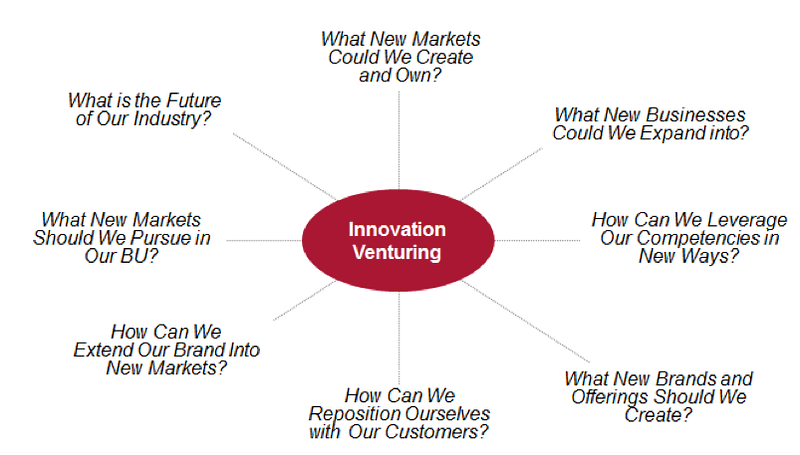
In most cases Leaders and Managers are instructed to be more creative and innovative, yet most are uncomfortable or ill-equipped with this mandate as they haven’t been trained in Innovation — unlike scientists or engineers.
“Innovation includes all activities directed to changing the things that the organisation does or the way it does it” (Handy 1999).
So it’s important to note what sets businesses apart — competitive advantage. As such Innovation cannot be just a buzzword, a hot topic being kicked about by unqualified leaders if it’s to be taken seriously in an organization. If this is the case it’s destined to fail.
On that note, let’s remind ourselves of the catastrophic failures over the years:
- Imaging: Kodak and Polaroid
- Telecoms: Nokia, Blackberry and Motorola
- Retail: JC Penny, Blockbuster, BHS, Forever 21, Sears, Toys R Us, HMV, Virgin and Macy’s … the list goes on
- Technology: Hitachi, Sony, Yahoo, Compaq, AOL, HP
- Transport: Concord, Delorean, GM and PanAm
- Banking: Lehman Bros, Anglo Irish, Northern Rock, and hundreds more, not counting those rescued by government bailouts
Let’s look at the latter — Banking — the Financial industry. In the modern business world companies are overly occupied with results, revenues, profit, and returns. Investors, markets, and Banks reward this mindset, a mindset that’s not conducive in a creative environment for idea-generation and execution i.e. Value-Innovation for long-term impact.
Every business starts with an idea, incubated by an entrepreneurial spirit whereby an individual or team creates and launches a new product or service to the world. Over time, however, the same environment becomes less innovative, taking a more defensive position as it grows, beholden to investors and banks.

That said, there are some exceptions, like Apple for example. For years Apple has grown as a company yet continued to nurture an Innovative ethos, delivering ground-breaking products with increasing intensity to a point where Apple can self-fund any project today if they so choose.
Statistically, established Companies rarely trigger innovation, in its truest form. Moves to innovate by companies tend to derive as a reaction to competition, market conditions, or new entrants — a reactive approach — a risky strategy that more often than not is deployed too late…remember the graveyard list above?
For the most part, true innovation comes out of the blue, ignited by a random idea to realize a passion, a vision of an individual or a handful of people — The WebSummit, AirBnB, Uber or Intercom are some examples.
History has shown us that real innovation emerges from independent sources, an embryo unconstrained by corporate bureaucracy, a contradictory force to the status quo.
So what does Innovation look like in reality and what are the 3 Types of Innovations?
The Innovation Audit
Firstly it's important to consider Innovation Indicators, although plentiful but not always visible. So what are they and how are they measured?
Innovation Audits — reveal its existence but in reality, other factors play a role. The most obvious indicator is financial Investment in innovative projects, “Irish enterprises spend an estimated €5.3bn per annum on innovation-related activities” (Carney et al, 2010).
New Product Launch is another indicator, leading onto Innovativeness Benchmarking, a concept that measures new product or service releases over a period of time, compared to the market leader. Emerging Tech. like Virtual Reality, AI, Crypto-Currency, Electric Vehicle, and Drone technology are examples of industry indicators.

Collaborative Ventures are also another indicator of Innovation. For instance, Facebook recently partnered with Stripe to introduce an eCommerce channel for its consumer base, as did Shopify, mirroring the strategy adopted by Apple in the past to leap market boundaries and compete in a new sector. Shopify are now flexing their muscle in the Fulfilment space to compete with Amazon.
Ryanair, and indeed other airlines, employ Collaborative Ventures known in the industry as Ancillary Sales / Revenue. In fact, Ryanair accrues over 20 percent of its revenue through this channel i.e. More than €1 Billion in revenue from non-core sales, an indicator of innovative effectiveness and a fine one at that.
Romijn and Albaladejo (2000) designed an audit questionnaire to gauge an organization's innovation capability with internal and external inputs in mind. For example, Brand Positioning is an indicator as is Consumer Engagement. Furthermore, Mairesse and Mohnen (2007) proposed a range of innovation activities as indicators:
- R&D expenditure
- Patent acquisition
- Product design
- Investment in People
Output indicators include Organisational Change, Business Transformation and Marketing Innovations — measured by new product sales and market share as a percentage of sales from existing and new products.
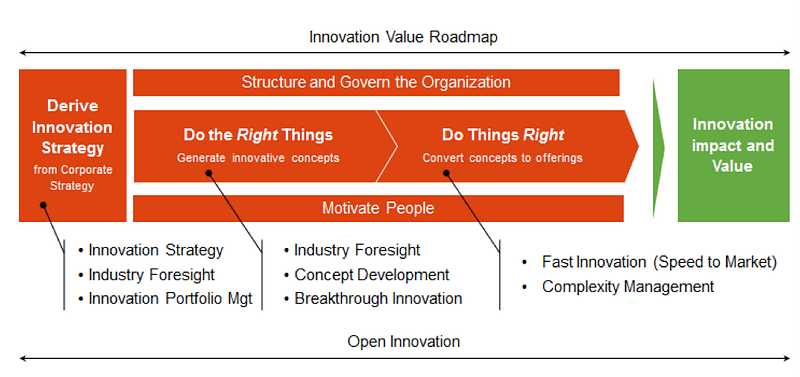
The 3 Types of Innovation
Now to the point of this article, what types of Innovation are there?
1) Incremental Innovation
This type of Innovation is a series of small improvements or enhancements made to a company’s range of products, services or internal processes. Any changes implemented via incremental innovation usually focus on improving an existing product’s development for efficiency to improve productivity in order to realize a competitive advantage.
Most Companies use incremental innovation to improve market position. Incremental innovation is a common tactic in industries like consumer technology, where personal devices evolve by adopting customer-friendly features.
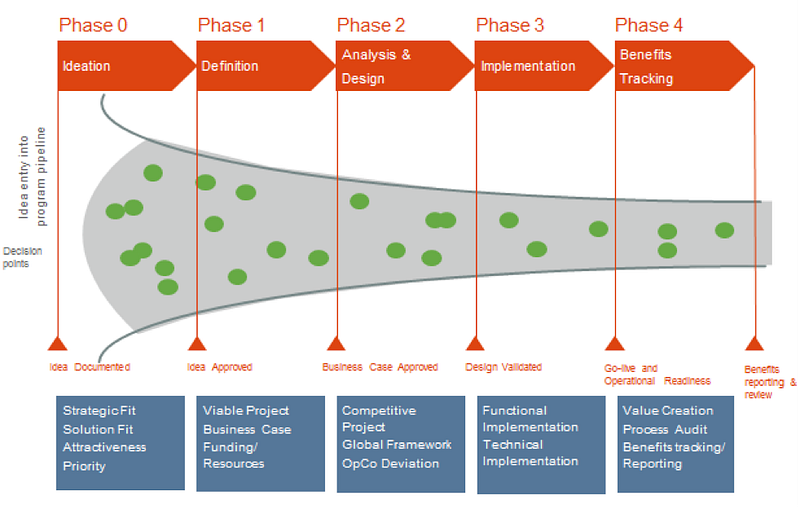
2) Radical Innovation
Radical Innovation (aka disruptive Innovation) occurs when a new strategy, product, service, or process is introduced to the market.
The difference between incremental and Radical is that it’s designed to make a significant impact by replacing an existing service, method or technology. This type of innovation requires significant investment, time, and resources, in order to realize benefits.
Companies utilize incremental and radical innovation strategies. When a radical innovation is introduced to the market, to be successful, companies use incremental innovation from feedback to improve the product or service keep it competitive over time.
3) Revolutionary Innovation
Revolutionary Innovation is the game-changer. This type of evolution occurs when a totally new concept is born:
- The Internet / Email
- Airbnb, Uber etc.
- iPhone
We all know and recognize what Revolutionary Innovation is and when it happens, the question is … Can you do it?