avatarDenise Shelton

Free AI web copilot to create summaries, insights and extended knowledge, download it at here

2896

Abstract

water, and let it drip.</p><p id="fe1c">To apply liquid fertilizer, add the amount recommended for the capacity of the container you’re using and enough water to fill the jug. No pre-mixing required! Some people like to replace the cap after watering, but I never have. I imagine it may slow evaporation when the temperatures soar.</p><h1 id="0406">2. Jumpstart the season with tomato teepees</h1><figure id="474c"><img src="https://cdn-images-1.readmedium.com/v2/resize:fit:800/1*ehlw7bPcO4nB-1siNVjh2A.jpeg"><figcaption>Tomato teepee (Source: amazon.com)</figcaption></figure><p id="7b33">A couple of years ago, I planted my tomatoes before the ground temperature was consistently at 60 degrees in the daytime and 50 degrees at night. For a solid month, they just sat there and didn’t grow an inch. Last year, I started using <a href="https://www.amazon.com/Wall-O-Water-Tomato-Teepees/dp/B00V904O1Q/ref=sr_1_2?keywords=tomato+teepees&amp;qid=1583843932&amp;sr=8-2">tomato teepees</a>, and everything changed.</p><p id="df91">The tomato teepee is a cylinder of plastic pockets filled with water that surrounds the tomato plant. This arrangement allows the water to store heat from the sun to warm the soil and protect the plant.</p><p id="1765">The trick is to place the filled tomato teepee over the spot where the plant will go for at least a week before you plant it. Teepees allow the soil to warm to an optimum temperature so that when you plant your tomatoes, they’re ready to roll.</p><figure id="7aa9"><img src="https://cdn-images-1.readmedium.com/v2/resize:fit:800/1*tIqKXSBZcfGMrYBmxw0Qug.jpeg"><figcaption>Warming the soil (Source: amazon.com)</figcaption></figure><p id="e6ec">Insert a one-by-one-inch, four-foot stake next to the plant before replacing the teepee. The stake will provide not only support for the plant, but it will keep the teepee from blowing over in a high wind. You may need help to lift it over the stake or to squeeze some water out of the teepee first if it’s too heavy to lift.</p><p id="7db0">Afterward, keep the teepee filled with water, and it will provide protection and warmth throughout the early part of the season. Once the weather heats up, I squeeze the water out but leave the empty teepee bunched around the base of the plant. It acts as a mulch and helps keep critters away. Buy the red ones since red mulch is proven to increase tomato yields.</p><h1 id="7dfc">3. Reap the dual benefits of grafted heirloom tomato plants</h1><figure id="8bfe"><img src="https://cdn-images-1.readmedium.com/v2/resize:fit:800/1*_SlL7JXOW3MfF06TIzhFUQ.jpeg"><figcaption>(Source: Super Naturals Grafted Vegetables LLC)</figcaption></figure><p id="6ff5">If you’ve grown tomato plants before, you have no doubt experienced the heartbreak that fungal diseases can bring. Your once lush, green, glorious plant starts to look like the crypt keeper. Production slows to

Options

a crawl, and the plague spreads to other plants.</p><p id="fa97">Seed companies have engineered disease-resistant varieties, but if you have your heart set on growing heirloom tomatoes because they taste better, <a href="https://www.totallytomato.com/category/58">grafted plants</a> can provide some of the same protection without sacrificing flavor. You can buy them already grafted or graft them yourself. There are several How-To videos online that can show you what to do.</p> <figure id="d8f9"> <div> <div> <img class="ratio" src="http://placehold.it/16x9"> <iframe class="" src="https://cdn.embedly.com/widgets/media.html?src=https%3A%2F%2Fwww.youtube.com%2Fembed%2FtHnOYcI6B44%3Fstart%3D36%26feature%3Doembed%26start%3D36&amp;display_name=YouTube&amp;url=https%3A%2F%2Fwww.youtube.com%2Fwatch%3Fv%3DtHnOYcI6B44&amp;image=https%3A%2F%2Fi.ytimg.com%2Fvi%2FtHnOYcI6B44%2Fhqdefault.jpg&amp;key=a19fcc184b9711e1b4764040d3dc5c07&amp;type=text%2Fhtml&amp;schema=youtube" allowfullscreen="" frameborder="0" height="480" width="854"> </div> </div> </figure></iframe></div></div></figure><p id="479c">The grafting process marries heirloom tomato plants to a hearty, disease-resistant rootstock. As long as the heirloom part of the plant stays above the soil and does not put out roots, it will be protected and nourished by the rootstock below.</p><p id="2c14">There is a <a href="https://www.amazon.com/Davids-Garden-Seeds-Grafting-Silicone/dp/B00ET9BWUA/ref=sr_1_11?keywords=grafted+tomato+plants&amp;qid=1583843561&amp;sr=8-11">plastic clip</a> at the graft point that will eventually fall off as the plant grows. A grafted plant may still contract a fungal disease, but the plant will be able to cope with it better and keep producing.</p><figure id="b2c6"><img src="https://cdn-images-1.readmedium.com/v2/resize:fit:800/1*v-Q0Q1rCZW4ajr7jypbyxA.jpeg"><figcaption>(Source: journals.ashs.org)</figcaption></figure><p id="0732">Last year, I had a grafted <a href="https://www.totallytomato.com/product/T00029/58">Amish Paste</a> plant that was a superstar, growing bigger than any of my other plants and producing numerous tomatoes continuously until the first freeze.</p><p id="533a">As I stated before, you’ll find no shortage of information online about how to grow tomatoes. These are just a few of the tips I found to be exceptionally good. Is there anything that has worked well for you? Please share it in the comments section and have a successful growing season!</p><p id="fc84">Read about how some garden suppliers mislead you about what you should expect from their products <a href="https://readmedium.com/tomato-surprise-b929c99424e4?source=friends_link&amp;sk=614775abc76d581670c716ea2a8ed8b7">here</a>.</p><p id="2cea">©2020, Denise Shelton. All rights reserved.</p></article></body>

Three Tips for Successfully Growing Tomatoes in Your Own Garden

These hints can help you maximize your harvest

“It’s difficult to think anything but pleasant thoughts while eating a homegrown tomato.”— Lewis Grizzard
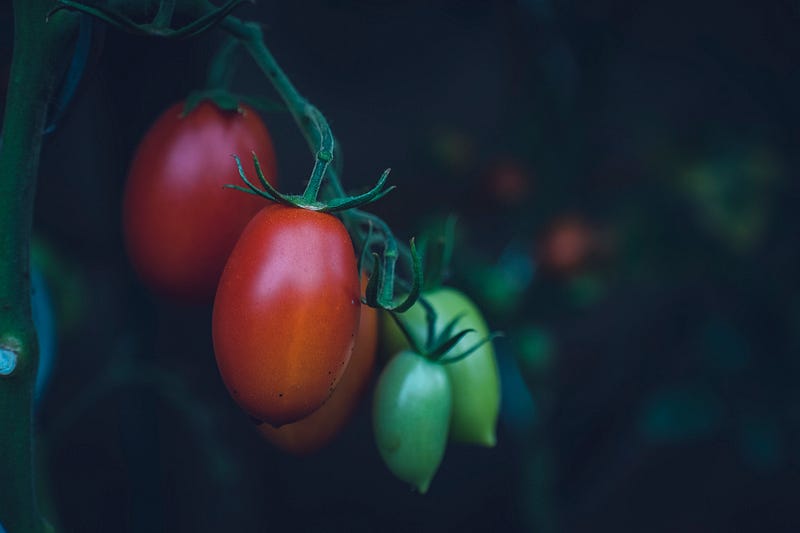
Photo by Markus Spiske on Unsplash

This article contains references and affiliate links to products. The author may receive compensation when you click on links to these products at no cost to you.

Google “growing tomatoes,” and you’ll get 110 million results. You can’t go through all of them, so here are three of the tips I gleaned online that worked for me.

1. Drip water below ground level
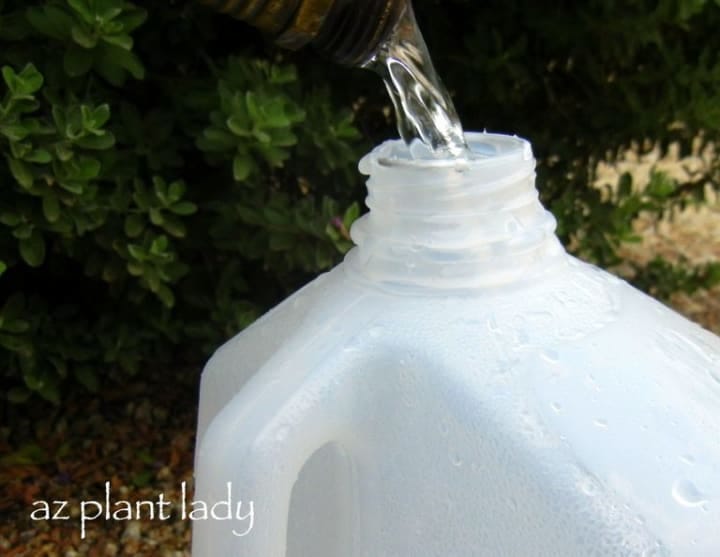
(Source: birdsandblooms.comm)

Start saving those plastic milk jugs! The principle is simple. Wet leaves promote the growth of fungal diseases in tomatoes, so you should water them at the root. This method also lessens water loss from evaporation and makes applying liquid fertilizer easy.

There are several variations on this technique, but the one I use is to punch a small hole in the bottom corner of a clean, half-gallon milk jug. I then dig a hole next to the plant, big enough and deep enough to bury the jug halfway, placing the corner with the hole in it nearest the stem. You should do this when the plant is small to avoid disturbing the roots.

If you live in a place with hot summers, like Texas, you’ll want to use the gallon size jug. Where I live in Pennsylvania’s Lehigh Valley, we get a fair amount of summer rain, so I’ve found the half-gallon size to be adequate. Simply remove the cap from the jug, fill it with water, and let it drip.

To apply liquid fertilizer, add the amount recommended for the capacity of the container you’re using and enough water to fill the jug. No pre-mixing required! Some people like to replace the cap after watering, but I never have. I imagine it may slow evaporation when the temperatures soar.

2. Jumpstart the season with tomato teepees
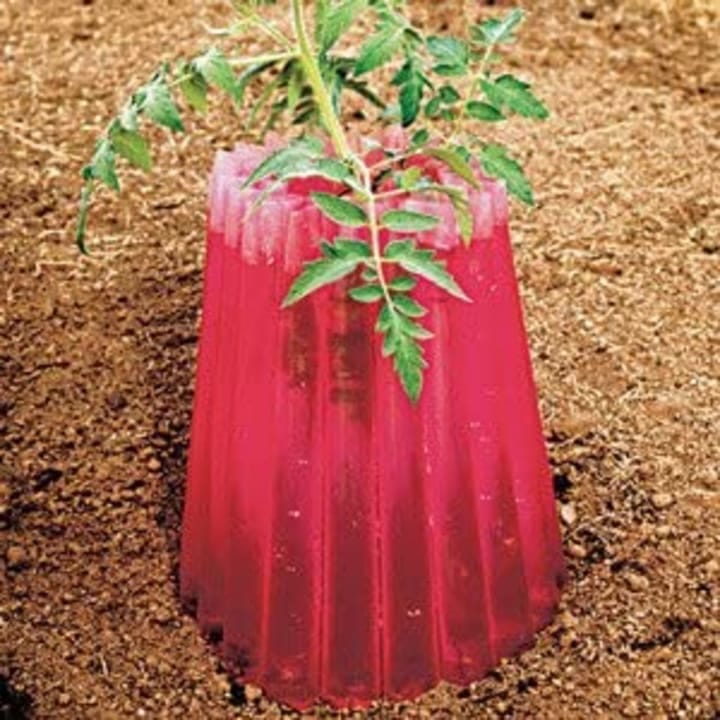
Tomato teepee (Source: amazon.com)

A couple of years ago, I planted my tomatoes before the ground temperature was consistently at 60 degrees in the daytime and 50 degrees at night. For a solid month, they just sat there and didn’t grow an inch. Last year, I started using tomato teepees, and everything changed.

The tomato teepee is a cylinder of plastic pockets filled with water that surrounds the tomato plant. This arrangement allows the water to store heat from the sun to warm the soil and protect the plant.

The trick is to place the filled tomato teepee over the spot where the plant will go for at least a week before you plant it. Teepees allow the soil to warm to an optimum temperature so that when you plant your tomatoes, they’re ready to roll.
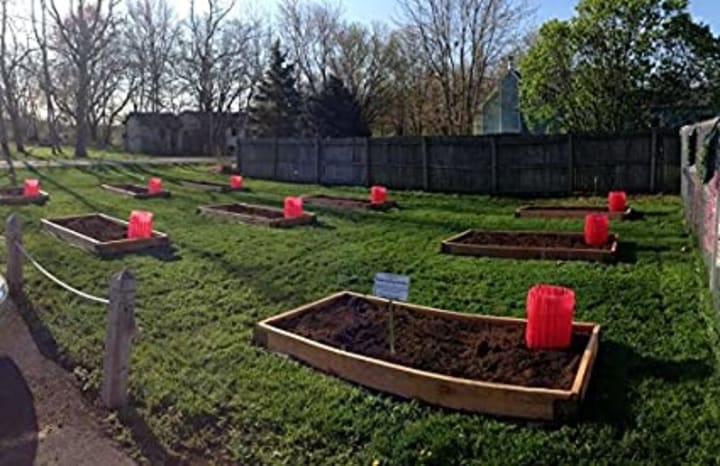
Warming the soil (Source: amazon.com)

Insert a one-by-one-inch, four-foot stake next to the plant before replacing the teepee. The stake will provide not only support for the plant, but it will keep the teepee from blowing over in a high wind. You may need help to lift it over the stake or to squeeze some water out of the teepee first if it’s too heavy to lift.

Afterward, keep the teepee filled with water, and it will provide protection and warmth throughout the early part of the season. Once the weather heats up, I squeeze the water out but leave the empty teepee bunched around the base of the plant. It acts as a mulch and helps keep critters away. Buy the red ones since red mulch is proven to increase tomato yields.

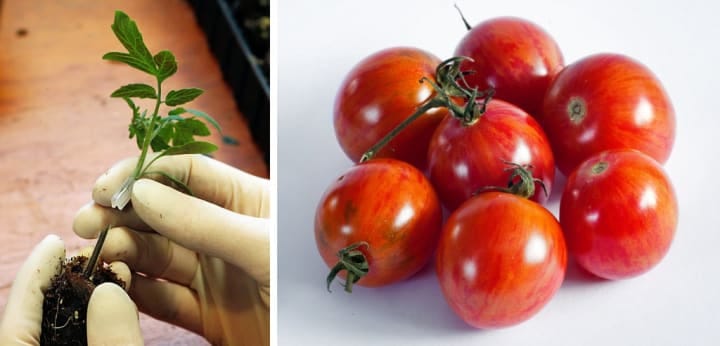
3. Reap the dual benefits of grafted heirloom tomato plants
(Source: Super Naturals Grafted Vegetables LLC)

If you’ve grown tomato plants before, you have no doubt experienced the heartbreak that fungal diseases can bring. Your once lush, green, glorious plant starts to look like the crypt keeper. Production slows to a crawl, and the plague spreads to other plants.

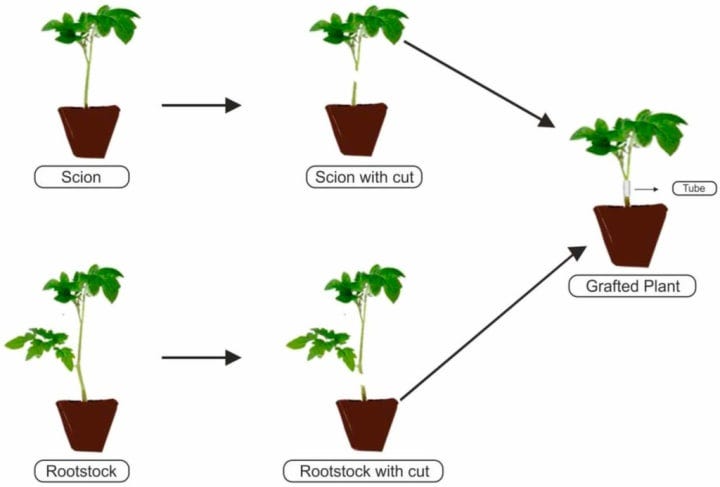
Seed companies have engineered disease-resistant varieties, but if you have your heart set on growing heirloom tomatoes because they taste better, grafted plants can provide some of the same protection without sacrificing flavor. You can buy them already grafted or graft them yourself. There are several How-To videos online that can show you what to do.

The grafting process marries heirloom tomato plants to a hearty, disease-resistant rootstock. As long as the heirloom part of the plant stays above the soil and does not put out roots, it will be protected and nourished by the rootstock below.

There is a plastic clip at the graft point that will eventually fall off as the plant grows. A grafted plant may still contract a fungal disease, but the plant will be able to cope with it better and keep producing.
(Source: journals.ashs.org)

Last year, I had a grafted Amish Paste plant that was a superstar, growing bigger than any of my other plants and producing numerous tomatoes continuously until the first freeze.

As I stated before, you’ll find no shortage of information online about how to grow tomatoes. These are just a few of the tips I found to be exceptionally good. Is there anything that has worked well for you? Please share it in the comments section and have a successful growing season!

Read about how some garden suppliers mislead you about what you should expect from their products here.

©2020, Denise Shelton. All rights reserved.

Gardening
Advice
Plants
Recommended from ReadMedium