
Three Threats to Humanity
What can you do?
Yuval Noah Harari, the Israeli historian responsible for the global bestseller Sapiens: A Graphic History, said there are three threats to human existence:
- nuclear war
- climate change
- technological disruption.
These threats to existence have our fingerprints all over them. If there was a criminal investigation and an ensuing court case, we’d all end up in prison for life.
This ability to self-destruct isn’t shared by most of creation.
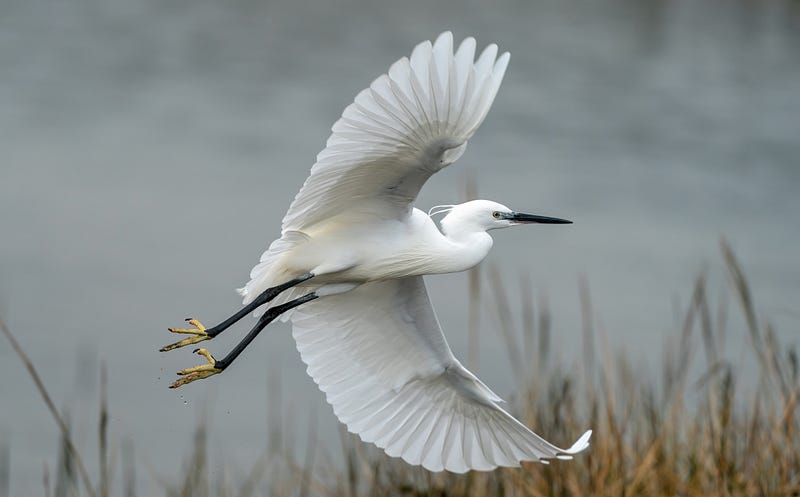
Outside my back door in the wetlands of Western Australia are wood ducks, cranes, herons, egrets, crows, kookaburras, falcons, and hawks. Blue wrens, golden whistlers, honeyeaters, robins, and firetail finches. Snakes, bobtails, frogs, and turtles. Spiders, dragonflies, bees, bugs, and bats. All these things are oblivious of the threat of nuclear war, climate change issues and potential technological disruption. They hatch, grow, breed, and die. They don’t plan genocide, poison the air, or create complex communication systems that could figuratively blow a fuse and collapse or be commandeered by dictators or modern-day pirates.
One would think that our high level of consciousness (awareness of ourselves and the rest of the world) and our burgeoning intelligence would work together to keep us safe. But it hasn’t turned out that way. We are a threat to ourselves. In fact, we’re the only threat there is. Or we’re the only threat we have control over. (Asteroids, comets, solar flares, and earthquakes are beyond our control.)
Global issues like these that threaten our existence can make me feel small and ineffective. I’m not a leader, innovator, or influencer. I don’t know enough to make a huge difference to what will happen. My finger is nowhere near the nuclear war button. I don’t even know where it is. Nor am I invited to climate change summits or AI conferences.
But what I can do is promote peace in my everyday dealings with people, take steps to lessen my negative impact on Mother Earth, and use technology wisely.
I won’t let what others may do to threaten human existence change my growing love for and connection to all things.
With love, Marlane


