
Three Things White People Can Learn from the “Karens” of the World
It’s all fun and games until you realize that you can be a “Karen” too
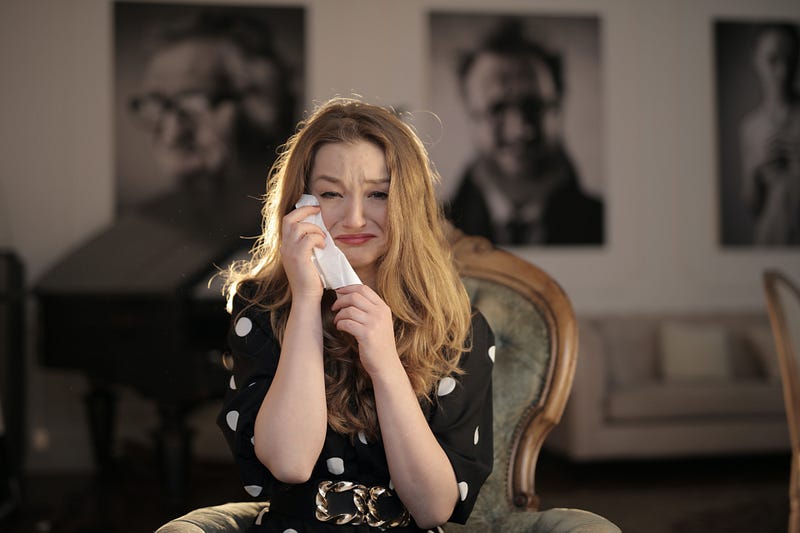
To many people, Karen videos are (literally) hysterical. They serve as comical reminders of how ridiculously entertaining white people, and white women, in particular, can be. From the self-serving entitlement that exudes from their pores to the suffocating breath of audacity they wield, Karens are some of the most irrationally bold people there are.
I’m sure you’ve seen the horrific video of the ‘Victoria Secret Karen’ (V.S Karen) by now. The one where a white woman terrorizes an unsuspecting shopper named Ijeoma Ukenta. According to Ukenta, the white woman refused to adhere to the common social understanding of personal space. Rightfully bothered by the lack of social decorum, Ukenta politely asked the white woman to “back up,” and this is where Karen-mode was activated.
As seen in Ukenta’s video, the white woman decides to make a scene inside Victoria’s Secret. She becomes irate and infused with delusions of danger that cause her to believe that her life is at stake. V.S Karen is so amusingly distraught that at one point, she “faints” and collapses from the sheer weight of her “caucasity,” only to wake up with a banshee-like shrill; as she exclaims, “she’s recording me! Tell her to stop!” Ultimately, Ukenta has filed a police report, and she is currently pressing charges against the white woman who assaulted her. Ukenta is also filing a complaint against the cops and mall security, who failed to protect her from V.S Karen.
It’s important to note that Karens are not an aberration, though. There are hundreds, thousands, maybe even millions of Karen-like incidences out there that haven’t been spotlighted and gone viral online — a YouTube search will quickly reveal this. Karen is likely to appear closer to home than you think. Therefore, I believe there are three things white people (of all ethnicities) and I can learn from the Karens of the world.
Are you suggesting I’m a Karen!?
The typical portrayal of Karen includes being a middle-aged white woman with a choppy-like haircut, a ticking timebomb of race and class-based hostilities, and armed with the classic tagline: “I want to speak to your manager.”
Though that particular image comes to mind when we think of her, it’s important that white people not gentrify this term. What do I mean? Unfortunately, we have a habit of appropriating terms developed by Black people and using them to our benefit in some way, shape, or form. White-Latine, among several other ethnic whites, using the words ‘white-passing’ is a perfect example. And in this case, the problem is white people are using Karen to distance themselves from “those whites” over there.
Whiteness will always find a way to distance itself from responsible reflection.
We, liberal/progressive white people, have a habit of absolving ourselves of our internalized racism by creating as much cognitive dissonance space between us “good whites” and them “bad whites.” ReparationsFund, a white antiracist and reparations organization, encouraged us to reframe our relationship with Karen critically. In a recent post, they asked two crucial questions:
1. In what ways do I weaponize my emotions?
2. How could I have disrupted this?
Though Karen has a popular archetype, we should remind ourselves that we can replicate the same white supremacy that V.S Karen perpetuated.
Humanize Karen and Yourself
The second lesson we can learn, intimately tied to the first lesson, is to implicate ourselves in Karen-like behavior. In other words, we need to see Karen as a full-blooded human being because, as it stands, I think Karen has become a tool for white people to dehumanize other white people. To be clear, I’m afraid I have to disagree with the notion that it has become a sexist term. My point is that it’s a weaponized term among white people to distance ourselves from our and other white people’s internalized racism and white supremacy.
There’s nothing antiracist about dehumanizing each other and weaponizing terms against one another. My antiracist coach Lutze Segu reminded me of that recently. That’s what white supremacy does. White supremacy needs white people to not only dehumanize BIPOC people but ourselves as well. It requires us to strip ourselves of complexity and nuance and become empty white shells. It’s ok to be human and empathize with Karens, though. I think it’s our responsibility as white people to humanize ourselves and break away from the soulless talons of whiteness.
Appropriately Intervene When Karen is Karen-ing
The last lesson we can learn from Karen is that constructively intervening is one of the best ways to break away from white supremacy and stand in pro-Black solidarity. Have we not learned anything in the last year? White women have historically weaponized their emotions to control racialized situations and the people around them. Virtually everyone stood in white silence and allowed VS Karen to assault Ijeoma Ukenta. The scenario with VS Karen could have equally had a deadly outcome, no thanks to the white bystanders.
There’s a difference between coming to Karen’s aid and aiding Karen’s victim. There are many ways an “ally” could have stepped in and potentially ameliorated the situation. A white “ally” could have stepped in and used their body to shield Ukenta from VS Karen’s assault and overwhelming white fragility. An “ally” could’ve reminded VS Karen that she was not in danger and needed to get herself together. Finally, an “ally” could’ve explained to VS Karen that they too have had a Karen-like incident.
Though pointing the finger at Karen feels cathartic in the moment, we can’t forget that we, too, are capable of becoming Karen at any given moment.
Joey Pierre is a race & class researcher, scholar, writer, and an amateur astronomer. You can also be in community with him on Instagram.


