
Three Things to NOT Expect Out of Meditation
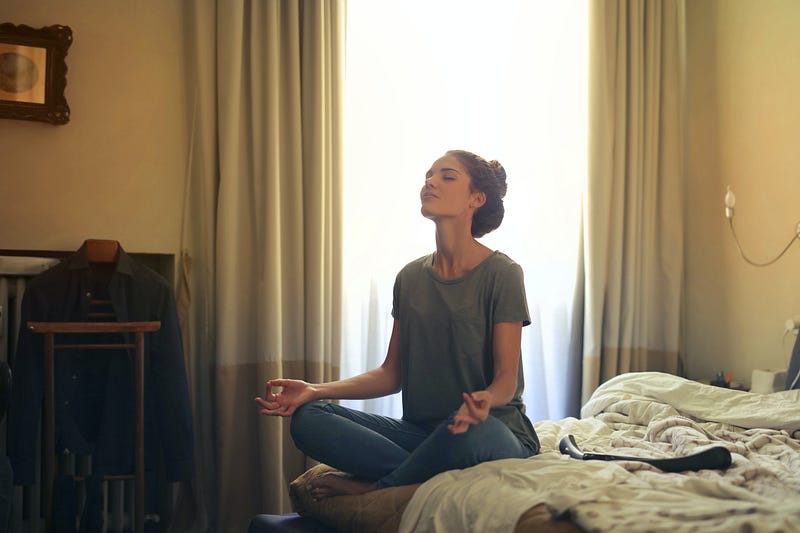
Studies that point towards meditation potentially reducing depressive episodes and changing our brain chemistry are on-going. Having reaped the benefits of meditation for more than a year has made me realize the errors that beginners in meditation practitioners usually commit. This leads them to quit their practice because they don’t ‘see’ results. However, the peace and tranquility that awaits people who are patient and expect nothing from meditation are so vast that the initial ‘lack’ of results is more than made up for. I’ve created a list of three key things that will help you set your expectations correctly as you begin your meditation journey and may help mitigate initial frustrations with your practice:
1. Don’t Expect Quick Results. I know it sounds odd to do anything without achieving something asap and I’m sure you’ve read the plethora of benefits of meditation that come with a google search, but the best kind of meditation happens is when you don’t expect swift results. Meditation practices in themselves are just about being in the moment, being aligned with your life force, body and mind. It’s contradictory to expect future results from a present-oriented kriya (the Sanskrit word for practice). Whenever I’ve done meditation practices expecting to be joyful and rejuvenated, I’ve had no results for the kind that I was looking for. The best kind of meditation that felt joyful was when I expected nothing from my practice.
There’s a saying that the more you chase results while meditating, the more they elude you. The trick is to expect nothing. Just meditate because you have to.
2. Don’t Compare your Meditation Journey With Others. I fell for the trap of asking results from the people who did the same meditation practices I did. This was a folly because when they said they felt a certain kind of happy emotion or some kind of ecstasy (many of them reported crying tears of joy) post their practices, I was thoroughly disappointed with my practice. But, there is no such thing as meditation done wrong or right (in fact there is no concept of wrong or right in the spiritual context-it is all the product of our minds). I realized this eventually as I experienced my own portfolio of emotions that were different from the ones of the people I spoke to earlier. It took some time to figure out that everyone feels something very different while meditating and usually those emotions are hard to express in words.
The trick is to ask as less as possible about the results and as much as possible on mechanics of it, such as the correct posture, breathing technique and what to or not to focus on.
3. You Might as Well Not Start If You’re Not Consistent. This is an important point to remember. Your meditation practice will only yield any benefit if you are consistent every day. This means you’ll have to shut the protests of your logical mind on doing something daily and not seeing results for a long while. Meditation does have micro benefits, but our minds are preoccupied with thoughts that prevent us from being truly in the moment and hence we can’t feel these benefits. We can only notice big changes that come eventually by meditating consistently, like less angry, more happy than usual etc. Depending on your spiritual journey, meditation can take months or even years for you to truly reap benefits of being in the moment.
For the first few months of learning meditation, I didn’t feel much. In fact my mind used to run wild in all sorts of timelines; from the past to the future, alternate realities, “I wish I would’ve …” zones, etc. Despite feeling like nothing was happening, I continued my practice and sure enough, one day I noticed that my thoughts were slowly running out and that emotions were not overriding my mind. In fact they started feeling distant, like I was observing someone else’s thoughts. However, this journey is specific to me. Everyone usually reports something different in their meditation journey, but it is always positive for those who do it consistently.
Who am I?
A budding author, writer and fiction lover. I write on an odd range of topics: from mental health, self-care to politics, travel and comedy (and all the weird shades of interests in between). They call me a researcher in my day job.
I would love to read your thoughts and comments what I write. You can find contact me on Instagram at @thesanb, Twitter at @thesanchibhat and e-mail me on [email protected].