
Three Steps to a More Minimalist life
Take stock. Cast off. Move forward.
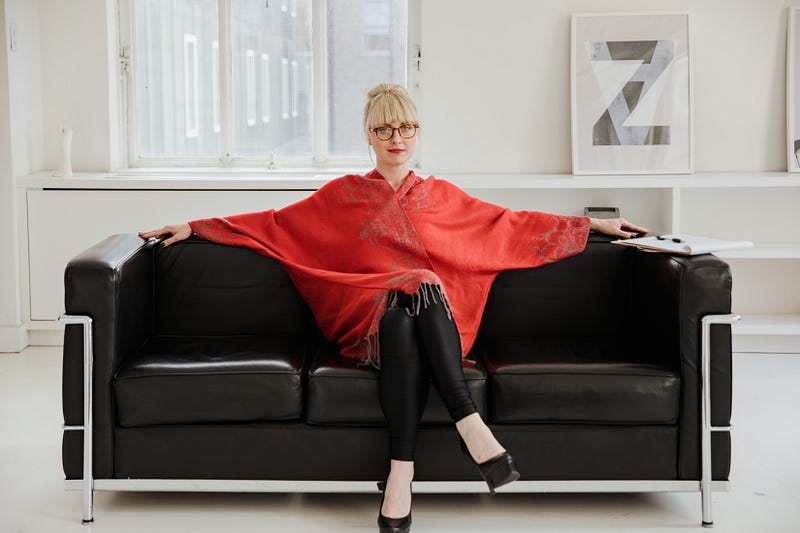
Living a more minimalist life doesn’t have to be an extreme decision that you base your whole personality around. It can be a simple 3-step process that leaves you feeling lighter and freer. Here’s how to go from cluttered to clear-headed.
Take inventory
This may be a surprisingly fun part of the process, or a huge chore, depending on a few different factors. Those factors include:
· How much stuff you have
· How well (or badly) organised it is
· How motivated you are to declutter, and therefore:
· How satisfied you feel as you go through the process
In short, taking inventory simply involves finding out what you already own. Unless you live in a tiny and well-organised space, this is probably a lot more than you realise. I can almost guarantee there will be items you had no idea you owned, items you’ve never used, and items you truly don’t need.
Many minimalists insist that if you have items you haven’t used in a year, you definitely don’t need them. They go so far as to say that if a box has been in the attic or basement for more than a year without you ever needing to open it, you can safely throw it away, without looking at the contents. I disagree.
Firstly, there is no ‘away’. Everything you discard stays right here on the planet. So don’t throw anything away. There are probably plenty of things in your home that someone could use. And if not, almost anything can be recycled. The process of becoming more minimalist is a great opportunity to assess what you have and put it to use, somewhere, somehow.
Cast off
Now you know what you have it’s time to find a good use for it. Donate it, sell it, gift it, recycle it, upcycle it. Or, of course, use it. You’ll be surprised how many useful items you’ll find along the way. From bottles of shampoo to birthday candles, to perfectly wearable clothing, to spare charging cords (if you can just work out what they’re for).
Organise the stuff you’re keeping so you’ll actually use it, and let go of everything else. Most items that have some life left in them can be donated to thrift stores. Check if more specific things can go to homes that will give them real meaning. Building supplies and household items might be suitable for Habitat for Humanity. Diapers and toiletries might be much appreciated at your local women’s shelter. Old pet toys or supplies might be desperately needed at an animal shelter. Use Freecycle to find new homes for your old stuff within your local community.
You can, of course, sell a lot of items too. Depending on what you have, consider:
· Ebay
· Facebook Marketplace
· Depop
· Vinted
· Ziffit
· SellCell
· The Real Real
Move forward
Minimalism doesn’t maintain itself. You maintain it by breaking the shopping cycle. By learning to keep your wallet in your pocket, rather than constantly shopping and refilling your home with new stuff. Immediately after a declutter is a great time to try a no-spend month. If you can go a month without buying anything (except for food and other ‘depletables’) you’re likely well on your way to re-training your brain to enjoy the simplicity and lack of consumerism that comes with long-term minimalism.