
Three Simple Tips on How to Live Longer with Vitamin K
Bad health or good health, eating vegetables do matter daily
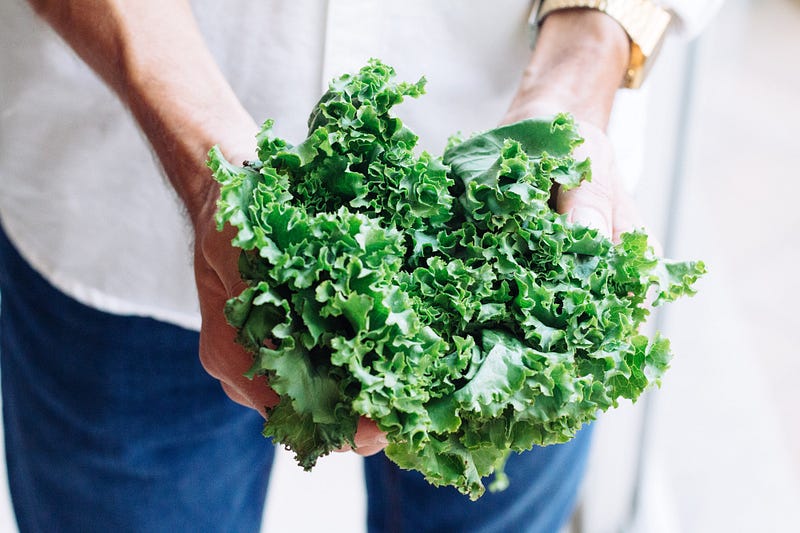
Parents have always said, “Eat your vegetables.” So the average child just ate them because they were told they were good for you even though they didn’t taste good to you. So down the throat went those unwanted vegetables with the hopes that a dessert would follow. From the elementary through the high school days, vegetables had a visible presence on the plate more times than was wanted.
Fast-forward to adulthood, vegetables had taken a long awaited vacation from the plate, with no hope of returning until voices about vegetables started ringing off the walls, sideways and bottom to top. There was no way to escape being haunted with “eat your vegetables!” Television, radio and the internet all seem to have plotted an eat your vegetables war, found yourself shopping for those hated and dreadful vegetables. Returned home, stored them in the refrigerator with the hopes they would self destruct or disappear. A week went by, the voices came back in your head, “eat your vegetables”, feeling tired and sluggish from the days’ activities, found yourself as you rushed to the refrigerator threw those vegetables in a skillet with some seasoning for a few minutes, swallowed them down to relieve the haunting voice, “eat your vegetables,” in your head. Down they went, and suddenly there appeared a burst of energy out of nowhere, or so I thought. It appeared to have come from eating the vegetables.
Over the years, hearing vegetables gave you energy, as oppose to refine carbohydrates was not a reality, but all that changed in an instance. All these years, carbohydrates were assumed to be the energy champion, but no anymore vegetables have my vote.
All vegetables are good but knowing what each provide is very important in maintaining, healing and filling a deficiency. Vegetables are the bedrock of the soul, mentally and physically.
Vitamin K, a fat-soluble, aids in longevity, maintain healthy blood vessels, bone health, wound healing, makes proteins for healthy bones, blood clotting, fiber and antioxidants.
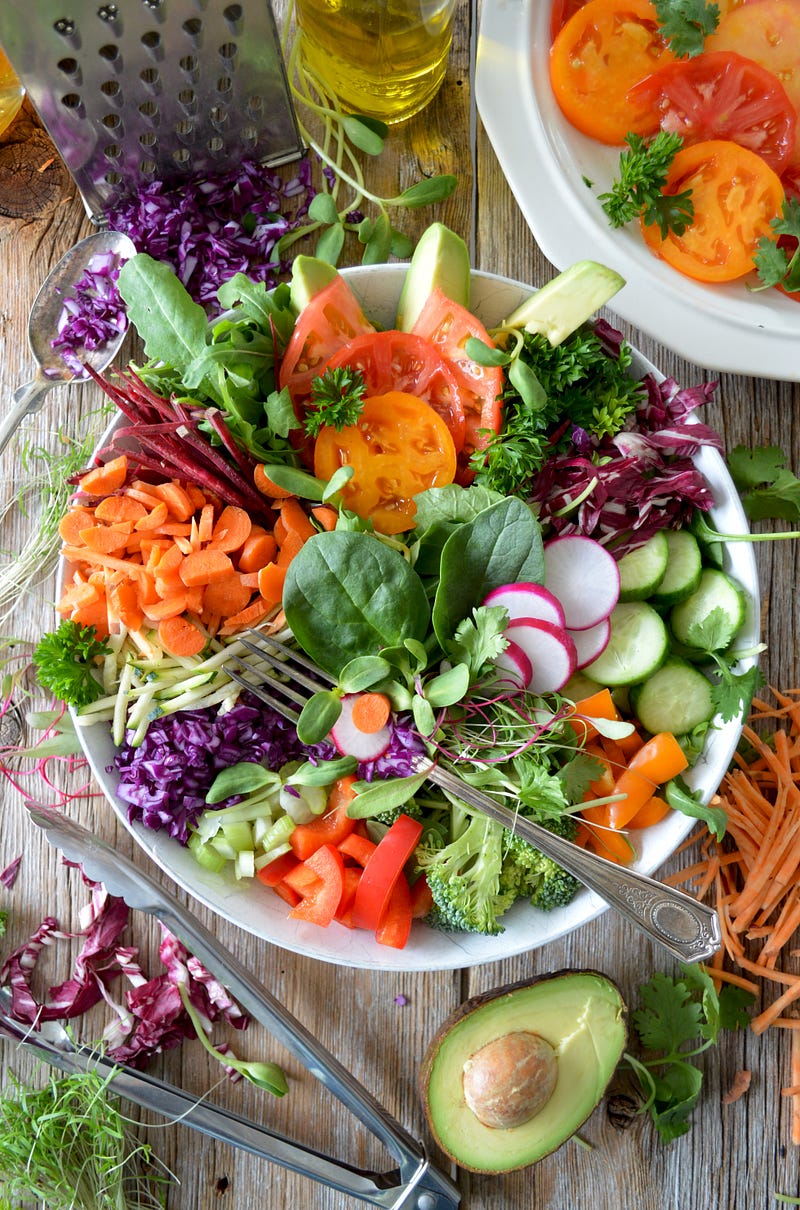
- Green leafy vegetables, such as kale, spinach, turnip greens, collards, Swiss chard, mustard greens, parsley, romaine, and green leaf lettuce.
- Vegetables such as Brussels sprouts, broccoli, cauliflower, and cabbage.
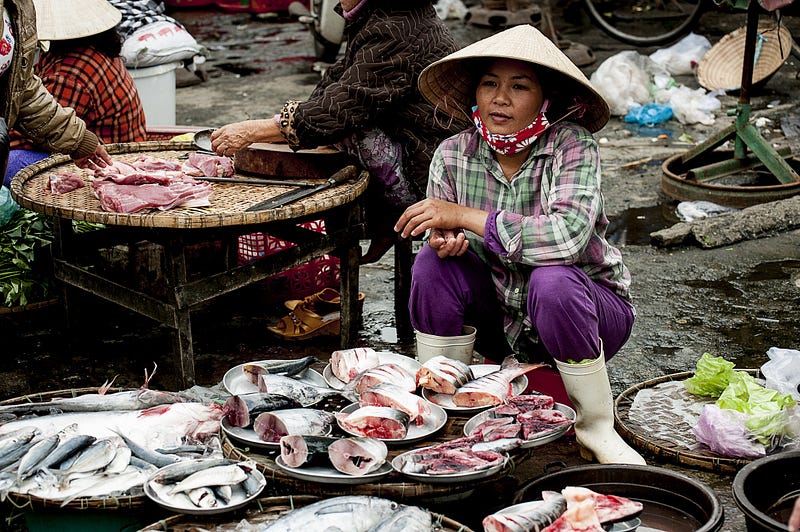
- Fish, liver, meat, eggs, and cereals
For those that are on the run, a supplement or pill, maybe the normal and quick go to but natural is better than additives any-day. The body knows the difference and process each based on their content. Natural vitamins or supplements have their benefits, better to have some than none.
What happens with the lack of or not enough vitamin K? Severe vitamin K deficiency can cause bruising and bleeding problems because the blood will take longer to clot, might reduce bone strength and increase the risk of getting osteoporosis because the body needs vitamin K for healthy bones.
Inconclusion, the best advice here is that no matter what your age, gender, culture, ethnicity, give vegetables — especially the dark green options — more real estate on your plate. You’ll be doing your bones, heart, and every other system, a green-fueled favor that may even help you live longer.
For additional reads:


