avatarDarren Richardson

Free AI web copilot to create summaries, insights and extended knowledge, download it at here

3199

Abstract

seats along the foul line — it would still be a ground-rule double. This distinction would ensure that ground-rule triples, with rare exceptions, are the result of power hitting, not lucky bounces.</p><figure id="541e"><img src="https://cdn-images-1.readmedium.com/v2/resize:fit:800/1*AIo0F9naBpJmoXkFQwdeEA.jpeg"><figcaption>Photo by <a href="https://www.pexels.com/@steshkawillems?utm_content=attributionCopyText&amp;utm_medium=referral&amp;utm_source=pexels">Steshka Willems</a> from <a href="https://www.pexels.com/photo/white-baseball-ball-on-brown-leather-baseball-mitt-1661950/?utm_content=attributionCopyText&amp;utm_medium=referral&amp;utm_source=pexels">Pexels</a></figcaption></figure><p id="896f"><b>Bunt doubles:</b> To get the infield really involved and give the art of bunting a boost in an era packed with home run highlights, bunts where the infielder does not release the ball before the runner touches first base would become an automatic double. In other words, making a play on a bunt would become more important than ever before. Any runner on base in such a situation would advance two bases from where they were before the bunt was put into play.</p><p id="9f4c">This could give batters who are skilled at bunting a realistic chance to produce at the plate in a big-inning way, even against a top-notch hurler. This change in the baseball rules would put added pressure on the fielder to at least make an accurate throw to first even if there is no chance to get the runner, and it would take the concept of “small ball” to a whole new level.</p><p id="7856">And that whole thing where the infielder waits to see if the ball stays fair or goes foul? He could still do that, but if the ball stayed fair, it would become a double unless he changed his mind at the last second, picked up the ball and made a quick throw before the hitter crossed first base.</p><figure id="a24f"><img src="https://cdn-images-1.readmedium.com/v2/resize:fit:800/1*RFnlcEkMVFzeaGU9utRlfw.jpeg"><figcaption>Photo by <a href="https://www.pexels.com/@erick-contreras-250039?utm_content=attributionCopyText&amp;utm_medium=referral&amp;utm_source=pexels"><b>Erick Contreras</b></a> from <a href="https://www.pexels.com/photo/rod-with-balls-843341/?utm_content=attributionCopyText&amp;utm_medium=referral&amp;utm_source=pexels"><b>Pexels</b></a></figcaption></figure><p id="d794"><b>Foul-ball walks:</b> Here’s a potential baseball rules change that would also speed up the game while rewarding batters who are hard to strike out: the foul-ball walk.</p><p id="f5a8">Batters who foul off eight pitches — after they have a two-strike count — would be awarded first base. Granted, this would be a rarity, but it could add excitement in a very pronounced way for those at-bats where a scrappy hitter keeps fouling off good pitches. Eight foul balls after a hitter has two strikes would still be scored as a walk — because the pitcher could not get the batter out and the batter did not get a hit — but instead of being scored as a base on balls (BOB), it would be a base on fouls (BOF). Like a BOB, a BOF would count as a plate appearance (PA), but not an at-bat (AB).</p><p id="e691">Baseball is a great g

Options

ame as is, but there’s always room for improvement. Maybe next year or the year after, we’ll see a game where the winning rally gets started by a foul-ball walk, extended with a bunt double, and ends in a walk-off celebration for the home team after a ground-rule triple.</p><p id="f538">As long as baseball is open to changing the rules, the potential for expanded excitement is limitless!</p><div id="0ca5" class="link-block"> <a href="https://cdarrenr.medium.com/membership"> <div> <div> <h2>Join Medium and read writers who have something to say</h2> <div><h3>As a Medium member, a portion of your membership fee goes to writers like Darren Richardson, and you get full access to every story …</h3></div> <div><p>cdarrenr.medium.com</p></div> </div> <div> <div style="background-image: url(https://miro.readmedium.com/v2/resize:fit:320/0*Kdaut6CwJQoUXceV)"></div> </div> </div> </a> </div><p id="627d">More stories by this writer:</p><div id="0122" class="link-block"> <a href="https://readmedium.com/baseball-magic-returns-to-st-louis-as-cardinals-on-verge-of-wild-card-spot-e3eb7775eeda"> <div> <div> <h2>Baseball Magic Returns to St. Louis as Cardinals on verge of Wild Card spot</h2> <div><h3>Red-hot Redbirds look strong as regular season winds down</h3></div> <div><p>medium.com</p></div> </div> <div> <div style="background-image: url(https://miro.readmedium.com/v2/resize:fit:320/1*5xYpLJVNGYDYqFnRDxyf2w.jpeg)"></div> </div> </div> </a> </div><div id="ae2c" class="link-block"> <a href="https://readmedium.com/lifelong-cardinals-fan-turns-to-pujols-dodgers-for-baseball-magic-in-21-b9b0593acbc4"> <div> <div> <h2>Lifelong Cardinals Fan Turns to Pujols, Dodgers for Baseball Magic in ’21</h2> <div><h3>As Redbirds falter, an L.A.-Chisox Fall Classic sounds good</h3></div> <div><p>medium.com</p></div> </div> <div> <div style="background-image: url(https://miro.readmedium.com/v2/resize:fit:320/1*Q9Jz34fx66eYznKjx5DIQg.jpeg)"></div> </div> </div> </a> </div><p id="2523">Another original baseball story by a Medium writer:</p><div id="f233" class="link-block"> <a href="https://level.medium.com/what-young-people-can-learn-from-henry-hank-aaron-c75b3c00f1e2"> <div> <div> <h2>What Young People Can Learn From Henry ‘Hank’ Aaron</h2> <div><h3>His life is one for the record books</h3></div> <div><p>level.medium.com</p></div> </div> <div> <div style="background-image: url(https://miro.readmedium.com/v2/resize:fit:320/1*VUgIqWfwP6_SBgTMKq4Oeg.jpeg)"></div> </div> </div> </a> </div></article></body>

Three Original Ideas for Making Baseball the National Pastime Again

Ground-rule triples, bunt doubles, and foul-ball singles
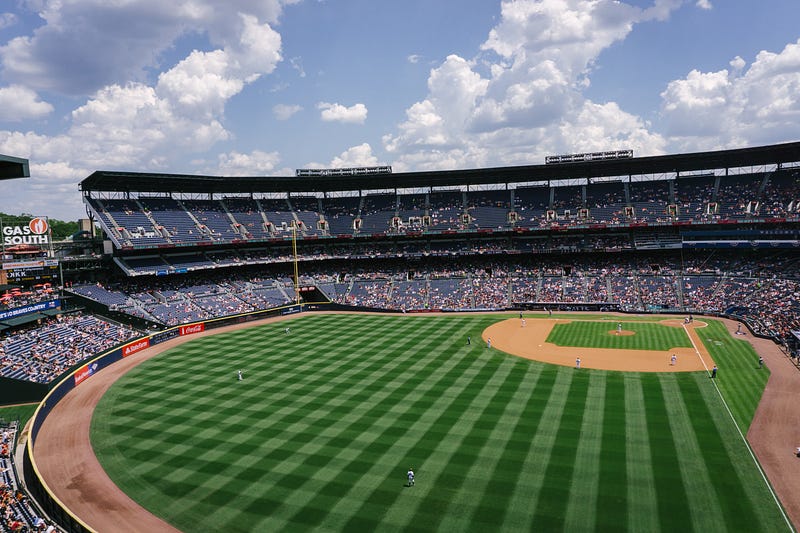
Baseball is a great game as it is, but these three ideas would make it even better. (Photo by Lesly Juarez on Unsplash)

It’s World Series time again, so that means not just televised baseball in late October that could possibly run into November, it also means all manner of weird, wild and — hopefully — wonderful speculation about the game itself and how to make it better.

Major League Baseball, it seems, is always tinkering with the rules. Over the past half-century or so, major changes to baseball rules include:

  • Lowering the mound in 1969 after “the Year of the Pitcher” in 1968
  • American League adopting the designated hitter rule in 1973
  • Implementation of the three-batter minimum rule, 2021

As with most baseball topics, these rules changes generated no small amount of discussion among fans, with passionate opinions across the spectrum.

With that in mind, here are three more ideas that could increase interest in the National Pastime (or what used to be the National Pastime) while rewarding good play — albeit in different ways than we’re used to seeing it rewarded. The goal of all three rules changes would be the same: Adding excitement . . . with a bent toward increasing offense.

MLB would be wise to look at incorporating the following three changes into the baseball rule books sooner rather than later:

  • Ground-rule triples
  • Bunt doubles
  • Foul-ball singles
Photo by Phil Goodwin on Unsplash

Ground-rule triples. How many games have we seen where a ground-rule double with runners on first and second actually takes the wind out of the offensive sails because, had the ball not jumped the fence, the runner on first would have scored, too?

Under this proposed baseball rules change, a ball that bounces over the outfield fence would score all runners on base at the time, with the batter being awarded third base, not second base.

However, if a ball bounced over a barrier in foul territory — say on a screaming shot down the line that passes first or third as a fair ball but ends up bouncing into box seats along the foul line — it would still be a ground-rule double. This distinction would ensure that ground-rule triples, with rare exceptions, are the result of power hitting, not lucky bounces.

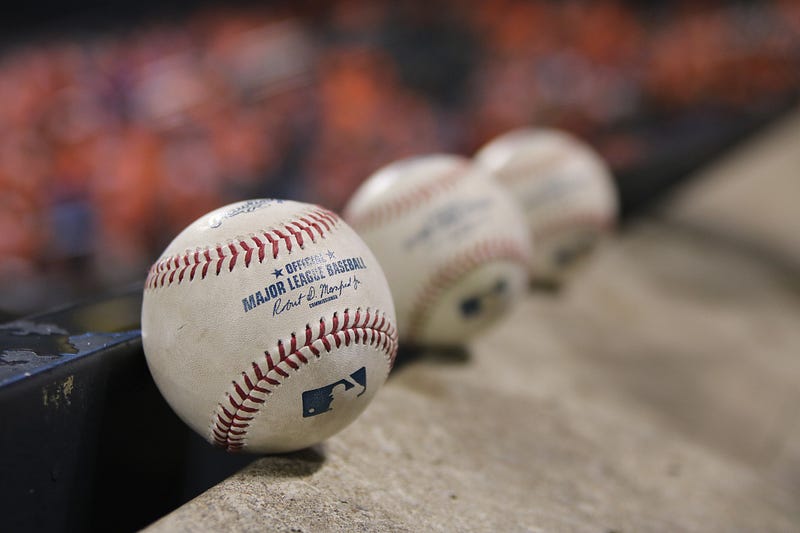
Photo by Steshka Willems from Pexels

Bunt doubles: To get the infield really involved and give the art of bunting a boost in an era packed with home run highlights, bunts where the infielder does not release the ball before the runner touches first base would become an automatic double. In other words, making a play on a bunt would become more important than ever before. Any runner on base in such a situation would advance two bases from where they were before the bunt was put into play.

This could give batters who are skilled at bunting a realistic chance to produce at the plate in a big-inning way, even against a top-notch hurler. This change in the baseball rules would put added pressure on the fielder to at least make an accurate throw to first even if there is no chance to get the runner, and it would take the concept of “small ball” to a whole new level.

And that whole thing where the infielder waits to see if the ball stays fair or goes foul? He could still do that, but if the ball stayed fair, it would become a double unless he changed his mind at the last second, picked up the ball and made a quick throw before the hitter crossed first base.

Photo by Erick Contreras from Pexels

Foul-ball walks: Here’s a potential baseball rules change that would also speed up the game while rewarding batters who are hard to strike out: the foul-ball walk.

Batters who foul off eight pitches — after they have a two-strike count — would be awarded first base. Granted, this would be a rarity, but it could add excitement in a very pronounced way for those at-bats where a scrappy hitter keeps fouling off good pitches. Eight foul balls after a hitter has two strikes would still be scored as a walk — because the pitcher could not get the batter out and the batter did not get a hit — but instead of being scored as a base on balls (BOB), it would be a base on fouls (BOF). Like a BOB, a BOF would count as a plate appearance (PA), but not an at-bat (AB).

Baseball is a great game as is, but there’s always room for improvement. Maybe next year or the year after, we’ll see a game where the winning rally gets started by a foul-ball walk, extended with a bunt double, and ends in a walk-off celebration for the home team after a ground-rule triple.

As long as baseball is open to changing the rules, the potential for expanded excitement is limitless!

More stories by this writer:

Another original baseball story by a Medium writer:

Baseball
World Series
Baseball Rules
Baseball Fans
Major League Baseball
Recommended from ReadMedium