
Three Months Alcohol-Free— The Good And The Bad
How I’m feeling three months into my alcohol-free journey.
The third month of sobriety has presented me with more challenges than the first two months.
I think it’s important to highlight the benefits of being alcohol-free, while also being honest about the challenges and how I’m dealing with them.
Anyone who has followed my journey knows that going alcohol-free hasn’t been rainbows and butterflies so far. I have had quite a few instances of intense anxiety and I don’t now have alcohol to lean on to temporarily snap me out of it.
My article “Two Months Alcohol-Free — This Is How I’m Feeling” went into detail about the mental health benefits I’ve been feeling without alcohol in my life and the stability in my emotions, whilst also touching on the changes I’m making to deal with anxiety in certain situations.
March has been more challenging than previous months.
This is because I have started to be more sociable as the days get longer. In January and February, I mostly stayed in and avoided going to places that could make me feel anxious, but I can’t do that forever.
This month has presented me with a few meals out and a weekend away with friends who were drinking.
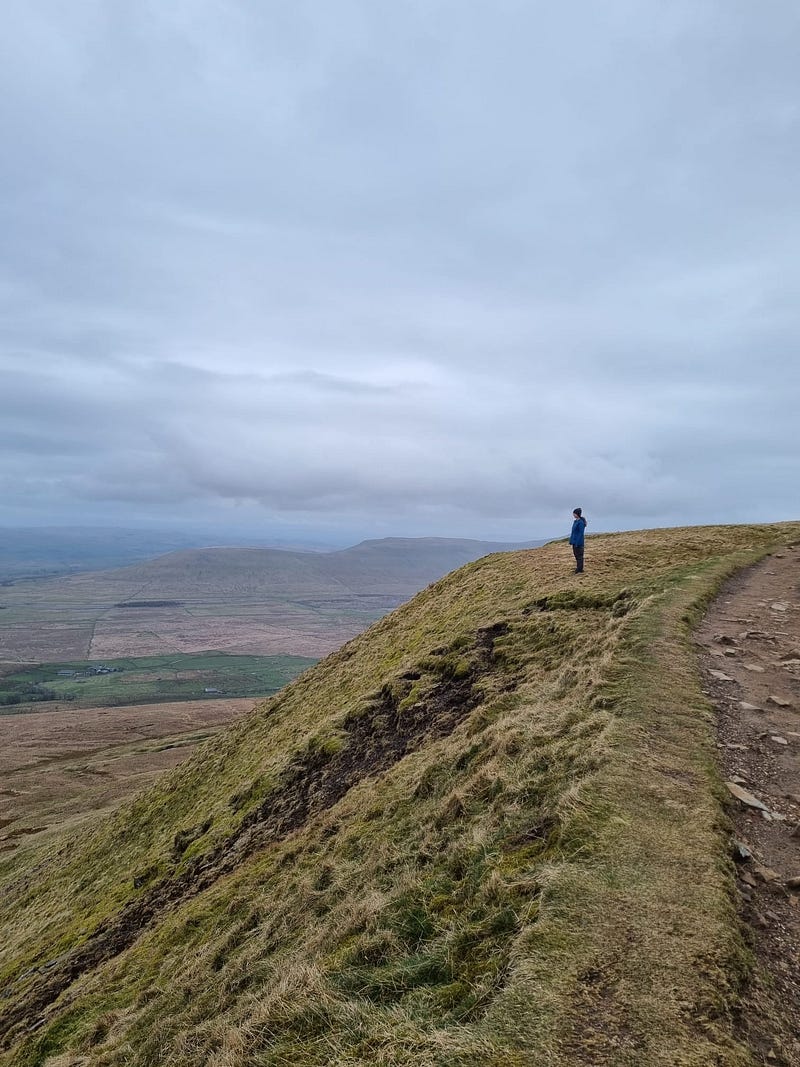
I have also spent more time outdoors walking and hiking in the countryside which is something I love to do and keeps me feeling great.
The weekend away went well for the most part but there were a few things that I found frustrating.
When I did feel anxious I couldn’t use alcohol to relieve it like before. I would usually relax easily after a glass of wine or two, so I felt like I couldn’t lean on a crutch I had always had before.
I also felt as though my friend thought going alcohol-free was a phase. One evening I poured myself a soft drink into a wine glass and her face lit up when she thought I had caved and had a drink. I hadn’t, but it was clear she hadn’t taken me seriously.
Another friend who I hadn’t seen in a long while was pregnant and therefore not drinking herself. I was pleased to have another person on the trip who wasn’t drinking so I didn’t feel so out of place.
When she heard I wasn’t drinking either, she thought I was pregnant. When I told her I wasn’t, she looked confused.
Why would you not be drinking unless you were pregnant? I don’t understand why you would do that.
I gave a slight nod towards the classic mental health answer — the only one I could be bothered to give — and she looked confused. I gave up and changed the conversation.
Despite a few small hick-ups, something I have realised is that I’m not as boring sober as I thought I was. I had always thought that by not drinking my personality would be dulled somewhat.
I’m not boring when I’m sober — and other people aren’t more interesting when they’re drunk.
Social situations over the last month have shown me that I can be just as confident and talkative without a drink. I thought that people were more interesting when they were drinking and that I’d feel quieter and reserved if I wasn’t, but actually hearing the conversations as a sober person they are no more interesting drunk than sober.
It probably isn’t a surprise to those who have been sober for a while, but I realised that it was just the alcohol making me think people were more interesting than they were.
This is a nice realisation because it means that I’m not really missing out by staying sober and the people around me probably don’t perceive me as boring. If they thought I had a drink in my hand, they probably couldn’t tell the difference between my personality either way.
Sometimes when I’m first with a group of people I feel more reserved. I usually have a drink and then I’m fine, but I now know that time fixes this feeling of unease, even without the drink.
There are a few things that have helped me this month:
Writing about it helps.
Talking about it helps.
Seeing other people feel like shit when they’re hungover helps.
Running helps.
Getting lots of good quality sleep helps.
Not doing anything stupid helps.
I feel much more clear-headed and I have noticed that my moods are much more stable than they were before. I have had no dreaded hangovers and although anxiety sometimes creeps up on me and makes me feel like shit, it’s nowhere near as bad as when I was drinking.
There are quite a few mental health benefits that I’m feeling this month that I perhaps didn’t feel at first:
I can concentrate on the present moment more than before.
I can feel everything more than before.
I’m much more mentally stable than before.
My physical health is great too, as I’m running more often and I’m able to do more training because most days I feel up to it.
Sugar cravings are one of the things that’s holding me back in terms of physical health. I keep going to chocolate when I get a craving, which I should be able to better control.
Apparently, this is a common thing to happen when you cut out alcohol, although I always had a sweet tooth even before I gave up.
Final thoughts
Although I feel less guilty for saying no to things I don’t want to do, as the days get lighter I want to put myself in more situations that make me feel uncomfortable.
To feel better during anxious situations, the only way is to expose myself to them more. This doesn’t mean going to a club that I will hate, but continuing to book dinners and weekends with people I enjoy spending time with will hopefully become normal without alcohol.
Now that some of my initial worries are starting to fade, I’m more excited to think of what’s to come during the summer.
Join Medium today to support other writers and me by purchasing a monthly membership and having unlimited access to articles. Use my referral link to join.


