SUSTAINABILITY IN ACTION
Three (Easy) Steps Toward Adopting an Eco-Friendly Lifestyle You Can Start Today
It’s not nearly as hard as you may imagine
When Michael and I married in 1997 the topics of sustainability, renewable energy, and climate change mitigation weren’t on the radar for most of us, and the media scarcely covered it.
These issues crept into our consciousness over time and gradually we tweaked our lifestyle.
When we made the choice to become vegetarians, we were pleasantly surprised how easy it was to find delicious meatless recipes.
Around the same time we switched our dietary habits, we saw a television program titled “Strange Weather.”
This PBS documentary — filmed in the early 1990s — was the first I’d seen on climate change.
This, along with Al Gore’s “An Inconvenient Truth,” was probably one of the most impactful programs I’ve ever seen. The rolling credits at the end of the program included agencies such as NASA and the Department of Defense.
Throughout the years, we’ve come to realize that lifestyle choices — the way we live our everyday lives — has a huge impact on the environment.
And when you consider the multiplier effect of millions of people living an eco-friendly lifestyle, there’s the sense that we can, in fact, change the world.
But since climate change is in the news these days, and often discussed in ways that are frightening and apoplectic, there are some who shrug their shoulders helplessly, ready to accept defeat.
But we mustn’t yield to defeat. There are hundreds of ways — large and small — we can live an eco-friendly life and tackle issues like climate change together.
Here are three easy ways to get started.
(1) Shop Secondhand
This is my favorite! There are so many things we can buy secondhand— the list is endless.
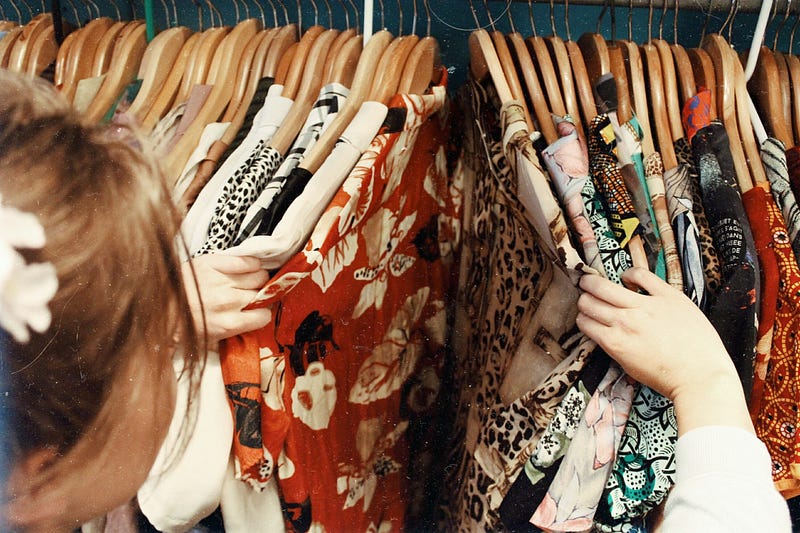
I haven’t bought a stitch of new clothing in years, except for undergarments, socks and an occasional pair of shoes.
I don’t miss for a moment the malls — the throngs of people, the half-mile trek to Macy’s and endless racks of clothes that all look alike.
Consignment stores are loaded with great selections, and I’ve even found some wonderful items at estate sales, Goodwill and the Salvation Army stores.
I’m talking quality, name brand clothing for a fraction of the original price.
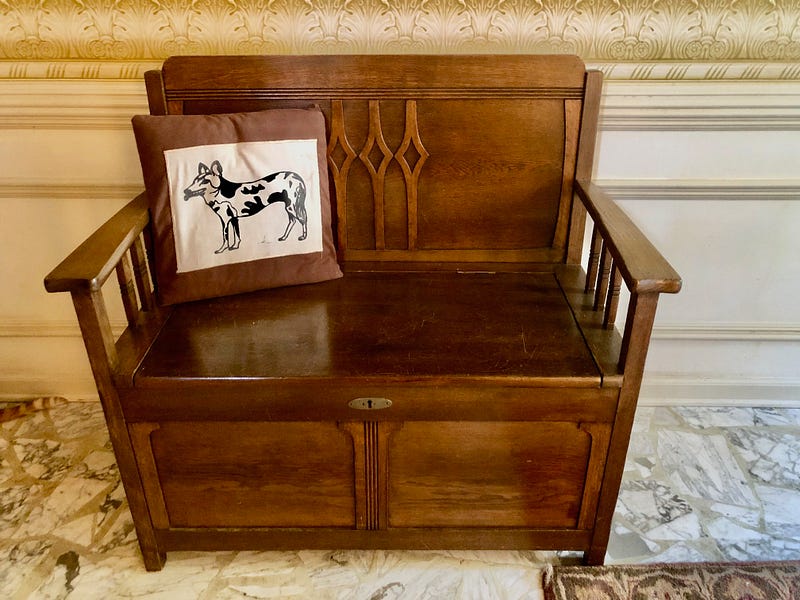
Most of our furniture we’ve inherited from our families. The rest has come primarily from estate sales, and again, stores like Salvation Army which have yielded some spectacular pieces.
Several years ago I scored two vintage, all brass Stiffle lamps at a yard sale for $20.00 each, and an antique oak chest for $35.00. I recently saw the identical Stiffle lamps going for $334.00 a piece at Lamps Plus.

We’re not above street rescues either!
Before we sold our GMC Yukon a few years ago Michael and I were driving back from somewhere and spotted a 6' cat tree placed by the road.
We didn’t even exchange a word — Michael screeched up behind it, I scrambled from the passenger seat, and within two minutes that baby was ours.
When we got it home we found it was in great condition. Clean, and looked barely used.
We hated to think too much about its provenance, but regardless, it had a second life with our kitties and still does today.
When we moved from a beautiful historic apartment building that was being tragically condoed into our present home, we rescued a microwave someone left by the dumpster.
Ours had just died, and this one worked like new. Thirteen years later it still works like new. Who would throw away a perfectly good microwave oven?
I could recite dozens of instances of street finds, hand-me-downs and thrift store steals but I think you get the picture.
When we’re complimented on the “classy and unique charm” of some of our furniture arrangements, we never hesitate to tell the real story when someone says, “Where on earth did you find…..?”
We wish everyone would give secondhand shopping a chance.
(2) Limit Food Waste
I was born to do this. If I have any religion at all, it’s “Thy Shalt Not Waste Food.” Wasting food is immoral in my view, and we do everything we can to prevent that from happening.
According to Feeding America, about 119 billion pounds of food is wasted annually in the U.S.
Shamefully, that’s more than $408 billion, and amounts to about 40% of all food in America.
Making matters even worse it that nearly 35 million people across the U.S.— including 10 million children — suffer from food insecurity.
Why is so much food wasted?
Much has to do with how we shop. We often make impulse purchases, and as a result buy more food than we need or food we don’t actually eat.
Solution: Always shop with a list. That way you’ll only buy what you need, and won’t float all the store trying to recall if you’re out of this or still have any of that.
Never grocery shop when you’re hungry. Always shop on a full stomach.
We also underutilize leftovers and throw out food that could still be consumed.
Solution: When you prepare a meal using staples like potatoes or rice plan ahead for how you can cook another meal with these items.
We keep products like curry blocks, lentils, and white beans on hand which help out when making additional meals with leftovers.
If you brewed more coffee than you intended, don’t pour the remaining pot down the sink. Coffee can be used as a key ingredient to make delicious salad dressings, barbecue sauces and more. Check out Food Republic for some great recipes!
Another reason perfectly good food gets wasted is that we don’t understand expiration labels. Labels like “sell by,” “use by,” or “best used by” are confusing and lead people to toss food that’s still consumable.
Most foods — with the exception of fresh fruits and veggies — are good beyond their “expiration date.” Do your own research on this and you’ll be surprised how long you can safely keep many foods.
(3) Conserve water
This is one of the most important things we all must do, and there are multiple ways to cut down on consumption.
First, you don’t need to wash your clothes as often as you might think. There’s been recent articles on how most Americans are conditioned to over wash their clothes, when in reality you can extend the life of most clothing by washing less.
I’m not talking about socks and undies — come on now — I’m referring to jeans, blouses, shirts, dresses, sweatshirts, and certainly bath towels.
When you get out of the shower and use a towel, your body is clean! Hang that towel up and use it several more times before pitching it into the wash.
I urge you to read an article published in Vogue magazine titled “How Often Should We Wash Our Clothes, Exactly?”
It references a study conducted by Levi’s, the jeans company.
“Changing our home laundry routine is one of the biggest opportunities for resource conservation,” says Paul Dillinger, Levi’s VP of product innovation.
Levi’s recommends its customers to wash their jeans after every ten wears. Dillinger went on to say their study found Americans have about a 2.3 wear/wash ratio. “Shifting from washing your jeans every 2.5 wears to every ten wears would reduce the consumer’s carbon footprint by 75 per cent.”
And when you do wash, be conscious of the water you’re using by running full loads of laundry.
And here’s an additional tip: Instead of using liquid laundry detergents— which are packaged in plastic containers and are made up 60 to 90% percent water — try using eco-friendly laundry sheets instead.
When running your dishwasher go for powdered detergent, and again, only run it when it’s full.
Other ways to save on water consumption include:
- Don’t leave the faucet running when rinsing fruits and veggies. Instead, rinse them in a bowl of water. Then, use that water on your plants.
- Shower instead of taking a bath. You’ll use less water than filling up a bathtub, especially if you take shorter showers.
- Turn off the faucet off when brushing your teeth and lathering your hands.
- Water your plants early in the morning or evening so the water doesn’t evaporate in the sun’s heat.
Some people might be turned off by this last suggestion, but here it is anyway. You really don’t need to flush the toilet every time you pee. If it’s yellow, let it mellow — if it’s brown, flush it down.
This of course best suited for those living alone or with a partner who equally supports your mission to cut down on water use.
The great thing about implementing these water conservation ideas is that you’ll not only conserve this precious resource but you’ll also lower your water bill.
Above are just three ways to get started if you’re serious about living an eco-friendly lifestyle. Other things you can do include:
- Using eco-cleaning products — or better yet, make your own natural cleaners by mixing vinegar, lemon juice and baking soda. It’s a cheaper and sustainable alternative that reduces toxic chemicals and keeps packaging waste out of your home.
- Eat less meat — meat and dairy are responsible for the majority of greenhouse gas emissions. And you don’t have to become vegan or totally vegetarian. Just try some “Meatless Mondays” and discover those great meatless substitutes. (I personally love MorningStar’s black bean burgers.)
- Repurpose as much as you can — instead of throwing out stuff, consider how you might make use of it in a different context. A pickle jar might become storage for dried peas. Michael saves yogurt containers to store items in his backyard workshop.
Conclusion
The reason it’s smart to adopt an eco-friendly lifestyle is that our Earth doesn’t have an infinite amount of resources. Sustainability is all about recognizing that what we do today impacts our future generations.
If some of these ideas resonate with you, start small and make gradual changes. Discover what works for you and stick with it.
With all of us working together we can make a difference on this Earth.