
Three Changes to Tiring Meetings I Learned to Advocate For Because of Physical Distancing
Meeting habits to carry forward as we return to normal
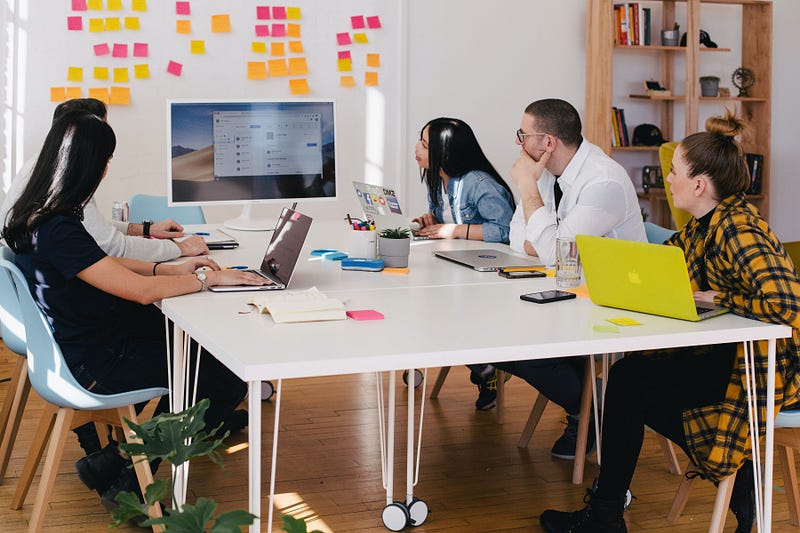
With the pandemic came a level of sympathy for a rising phenomenon called “Zoom fatigue”, but realistically, meeting attendees have likely felt meeting fatigues long before screens came into the equation.
Because that feeling of boredom, annoyance and stress was commonplace though, it became the norm to endure rather than something we thought to address.
As so many of us swapped to online meetings for physical distancing, trying to balance the perks but also an annoyance, I’m hoping that we can bring the perks forward when we can finally meet in physical rooms again.
The Flexible Power of Uninterrupted Work
As a society, we swing between this pendulum of placing collaboration at the forefront (with open offices and constant meetings) to the opposite extreme of deep, uninterrupted work (with cubicles and work from home options).
The reality is that there isn’t a one-size-fits-all solution because every group of coworkers will include people who strive in busy and chatty environments, yet others preferring a quiet and uninterrupted space to dedicate to tasks.
We have to acknowledge that choosing one model over the other will always alienate a subset of people while boosting the others. This means that while it works for some, you will inevitably be forcing people to work against their natural strengths just to get through the day.
This is why going forward, I want to advocate for flexibility in scheduling. With the pandemic, we were sympathetic to folks having to move meetings because of their children or health appointments. Flexibility in scheduling allows for people (like me) who have terrible attention-switching skills to batch their meetings to make for uninterrupted work time if needed.
Shortened Meetings: The “50-minute hour”
We’ve all been told that we should take breaks throughout the day in order to work at our best. Often, the sentiment to implementing mental-health-boosting practices is countered by the lack of systemic change to support these suggestions.
How am I supposed to take a break if I have meetings scheduled 9 am to noon, have a “lunch social” meant to be “a break” from noon to 1 pm?
This is where the 50-minute hour and 25-minute half-hour come in. When you set time-limited meetings with in-built break times, people are able to take breaks if needed or use this time to prepare for their next meeting.
It’s also likely that those final five to ten minutes don’t really buy you any additional motion forward anyways, as everyone is clinging on to their last brain cells, having zoned out 20 minutes ago.
Instead of expanding into the full 30 or 60-minute slot which creates spillover into the next meetings, these shortened meeting times also create the much-needed buffer for a quick drink of water or stretch.
Ps, Google Calendar has in-built options for scheduling buffer times into meetings as well to support this from the technological front!
“This Could Have Been A Meeting” Emails
A running employee joke is that a lot of meetings could have been a succinct outlined email. This email could have been quickly scanned for key information in five minutes but ended up being a rambly-ranty 60-minute timeslot that no one will get back in their lives again.
With physical distancing, folks were more sympathetic to reducing Zoom fatigue by sending an email. Emails have the added bonus of providing a searchable document of information that you can refer back to. You can’t “CTRL+F” a meeting.
While I acknowledge that some topics are better discussed in meetings and some people prefer meetings over emails at all costs, there are just as many people who prefer information delivered in written format. There are also people who are amenable to both (bless you for existing).
So, instead of thinking that “Oh but it’s so much easier to jump on a call to discuss this” is a universal sentiment, it’s time to rethink whether this truly benefits all potential meeting attendees. It’s time we learn to flexibly accommodate everyone’s strengths to reduce the amount of time wasted by catering to one outdated sentiment.
Summary & takeaway
The pandemic restrictions encouraged us to think beyond the box to ensure that we could support everyone in this strange time of trying to work through a disaster. Some of us finally found the way to efficiently work without sacrificing our mental health through this time because the context encouraged everyone else to be more sympathetic towards individual differences.
A lot of these pandemic adaptations are useful to keep moving forward.
- Allowing flexibility on scheduling meetings so individuals can build their schedule to play to their strengths.
- Having in-built breaks during the day by having 50-minute hour meetings and 25-minute half-hour meetings.
- Learning that a lot of information can be delivered in email format while preserving what needs to be said, with the added bonus of being digitally searchable.
What about you? Were there any pandemic-related adaptations to your work that you’d like to carry forward into the future?


