
PRODUCTIVITY
This ‘Writers Working All Weekend’ Thing
Writer — we need to talk.
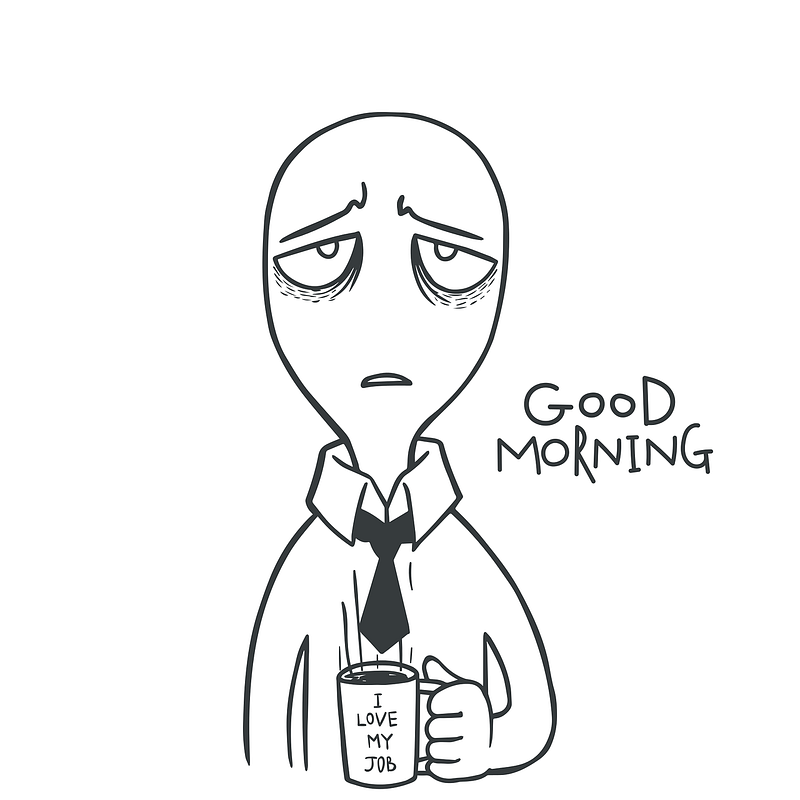
Writer — does your life look like this?
Day One:
Up out of bed, get dressed, power up the laptop, turn on the news, make the coffee, check all notices, start writing. Work all day — bed late.
Day Two:
Up out of bed, get dressed, power up the laptop, turn on the news, make the coffee, check all notices, start writing. Work all day — bed late.
Days Three through Seven:
Up out of bed, get dressed, power up the laptop, turn on the news, make the coffee, check all notices, start writing. Work all day — bed late.
Even on the weekends, we stay focused on our work and try to get ahead of the game for the upcoming week.
Rinse, repeat, right? So where’s the actual living portion of your day? We all work, all the days, many times all of the day, and we are underpaid, overworked, and for the most part we wouldn’t trade it for anything.
But we need to.
It’s time, dear writers, that we do some living. Perhaps you have this already figured out and have put some balance in your life — but there are a lot of us doing a slave to the grind day in and out, and we call it living the dream.
Let me put this clearly: without balance in your life, something will suffer.
What will suffer? Will it be your relationships? Your health?
Things you can do about this “work all weekend” thing:
Set some limits
Just because your work is flexible doesn’t mean you have to be ‘at work’ literally all of the time. Most working people have breaks and time off. Since you likely manage your own writing schedule to some degree — set some limits.
Choose a day off every week. Or take a mini-vacation of a few days off. Or decide to close the laptop at a certain time every day. Whatever works for you the best — set some limits and stick to it. You can even plan your days off a month in advance and provide your schedule to clients. You can plan blog posts to post on your days off to keep things going. Plan for time off and it will be easier to take it.
Maximize your time off
Even if you have to justify it as I do — if I do this thing, take this day to explore this, if I go there — just think of all the new writing material I will have. Somehow “living” my life has become “collection of writing material.” However, you explain it to yourself, this non-working time is crucial for your mental and emotional health and to the maintenance of your relationships.
Forbes explains that taking breaks is crucial for our productivity on the job:
Chaining yourself to a desk or scarfing down your lunch in your cubicle isn’t a recipe for success — it’s a recipe for disaster. Without taking adequate breaks from work, employee productivity, mental well-being and overall work performance begin to suffer. Overworked employees often deal with chronic stress that can easily lead to job burnout. While this not only negatively affects employee health and well-being, it negatively affects the bottom line, too. — New Study Shows Correlation Between Employee Engagement And The Long-Lost Lunch Break
Forbes points out in the same article that taking breaks also leads to
- boosted creativity
- improved mental well-being
- more time for healthy habits
I work from home and part of my daily routine is a lunch break — away from my work. It’s hard to stick with this because there’s such a long to-do list. But I have learned that this small break early in the day leads to a more productive latter half of my day.
For time off, plan activities that you would otherwise not have time to do because of work. Get out of the office or the house. Go somewhere you haven’t been in a while. Visit family or friends. Go to the library or the park or the gym.
But unplug, disconnect from social media, put the pressures and the goals and the statistics of your sites into a place of rest for the day. It will be there when you return, refreshed and ready to tackle your work with renewed fervor.
A word on writing work that zaps our time so easily
We writers are very often grossly underpaid. We take any jobs we can, thinking we can’t pass up the work.
But lucrative work that is worthy of our time should be the ultimate goal. Being slow in productivity will bog us down in all areas of our life. There are a few things you can do to place value on your time.
- Be very selective in the jobs you take.
- Be firm in your rates.
- Find ways to increase productivity (For example, dictation software.)
- Schedule yourself wisely so you don’t spend too much time on the less-paying projects.
- Consider writing articles to sell rather than writing-to-order
As I write this, it is Sunday afternoon. My kids are spending time in their rooms. My partner is out mowing the yard. And I am in my room — for what, the 15th day in a row now? — working on my laptop. The irony. But as a writer, we often feel every moment is the moment to be writing something, doing something to push this career forward.
I think, if you will excuse me, I am going to go and weed my flower bed. Or fill the bird feeders. I’m going to take a few hours to myself and do something I enjoy (yes it’s ok to enjoy something other than writing). I suggest you do the same this week.
For other writing-tip articles by this author:
12 Very Creative Ways to Promote Your Writing Owning Your Niche as a Writer Using the Todoist App to Boost Writing Productivity When Writing Becomes a Chore When Negative Flattery Threatens Your Creative Well-Being
Thank you for reading. Christina M. Ward is a productivity and well-living blogger, a poet, and has been accused of being a bit too much rainbows and unicorns and faeries. She’s also been accused of being too serious. She is actually both. You can follow her here: on social media.


