
COVID-19
This Will Be The New Normal — Get Used To It.
Massive changes ahead
When the COVID-19 pandemic is over, will our lives be back to that old familiar normal? Highly unlikely as there will be massive changes in the way we travel, work, live, and play. We may feel better as we become obsessed with hygiene. Here are some things that are bound to change.
Telemedicine will become the new norm.
I phoned my doctor this morning and asked for a prescription which she sent by email. She usually does that so nothing new there. She is already ahead of the curve because she asked if I wanted a photo of the electronic code on WhatsApp or via SMS. The Italian Ministry of Health has introduced a decree making this possible. The pharmacist can scan the code and issue the medicine. Having the option to use email or a message is a great time saver and there is no need to expose yourself to germs in the doctor’s waiting room!
However, I was impressed because up to now, her waiting room is full of patients and the average waiting time is around an hour. I was hoping she would initiate an appointments system even before COVID-19 but she never bothered. I feel now she will have to do this and/or just rely more on video chats with patients and prescribe treatment over the phone or the Internet when no physical examination is required.
This will be the new normal and already there has been a surge in the use of telemedicine apps by both doctors and patients. It makes life a lot safer for everyone and cuts the rate of infection to zero. It certainly makes life easier for both as there can be follow up visits that do not require an in-person exchange. The most popular ones so far are:-
PlushCare : Medical Doctor Visits
The wonders of modern technology mean the doctor can assess what type of cough we have via the microphone. The new Apple Watch can even produce an electrocardiogram. Using simple plasters which have sensors to measure heartbeat, blood pressure and breathing rate, the doctor can monitor at long distance and decide whether hospital admission is required or not.
Yesterday’s stethoscope is today’s smartphone.
Telemedicine has its limits and nothing can really beat an in-person visit where the doctor’s empathy, encouragement and other human elements such as touch and trust are key treatment factors.
The elephant in the room is how we can protect a patient’s privacy as we are dealing with sensitive health data. Let’s hope this can be solved and the information will not be misused for commercial interests.
Working from home (WFH) will be more popular than ever
For those whose work can easily be done from home, the future looks bright. Certainly, for the companies who can call a meeting with a videoconference, the advantages and cost savings are attractive.
Workers can feel relieved that there is no long and boring commute. Transport costs will be down and they will be doing the environment a big favor.
On the downside, there may be psychological problems in adjusting to a new office space which may often mean sharing with a partner or difficulty in finding some peace and quiet, especially with young toddlers around.
My neighbor complained to me the other day that when he works from home, he doesn’t take as many breaks and works more than ever. He also misses the company of his coworkers. Work provides a vital social need in our lives. The exchange of ideas, friendships, brainstorming, and networking are all crippled when done remotely.
It is just a one dimension affair. We all need to be in 3D.
Loneliness and a sense of isolation may also be a problem. Mental health problems such as depression and anxiety may become more prevalent as we face our homely future. One study shows that already about 19% of surveyed workers feel a sense of loneliness.
Some companies like GitLab are encouraging their remote workers to have a virtual coffee break and also to relax a bit. They are also very keen to help workers with a webcast on how to achieve a work-life balance and keep their sanity!
My nephew clocked up 55 hours last week as he is working in healthcare. It might surprise you to know that a survey done by Digital Ocean found that as many as 82% felt burnt out and 52% are actually working longer hours than before.
Just remember when you start grumbling about your home office that there will be millions of people facing starvation because their manual labor can never be done at home.
Travel will become more complicated
As air travel remains in lockdown, many people (including myself) feel uneasy about traveling in a crowded plane. I imagine social distancing will be the norm even inside the planes so many seats will be left vacant.
There will be health checks on departure and arrival. There may well be some quarantine restrictions and nobody wants to be locked up (again!) for two weeks in a hotel.
We have just heard on the Italian news today that public travel restrictions will apply from May 4. It is envisaged that only 20 seated persons can travel on any bus or metro compartment. It will depend on how many people will want to travel like that and wait ages for another bus.
The downside of all this as the lockdown eases private transport will be used more and more with a staggering increase in pollution levels.
Eating out and going to the beach
There was a storm of protest the other day when pictures of plexiglass screens were shown separating future customers in restaurants. A similar proposal was made regarding beach spaces. Imagine being enclosed in a transparent plastic box as you try to enjoy the beach. You can imagine the reaction on social media. This tweet shows you what it would look like. I think I would prefer to stay at home!
Moving away from the cities
Many experts now predict that with remote working and better Internet connections, many people will try to move to smaller and more habitable towns in the countryside or near the coast. As they will not have to commute, this will become more and more attractive. The cost of living and property in these smaller towns will certainly be lower than in the megacities.
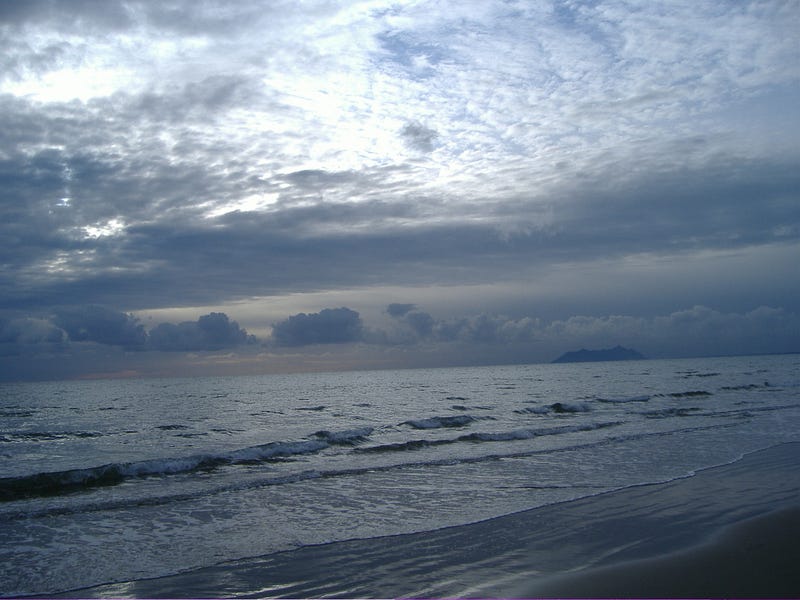
I did precisely that when I semi-retired and moved to a small town which is 100kms from Rome and only 11kms from the beach. I have a much better quality of life and it is also much cheaper than living in a large metropolis. The health benefits are also enormous too as there is so much less pollution.
In Italy, it is calculated that there are about 5,800 towns with less than 5,000 inhabitants. A further 2,300 have been more or less abandoned because of emigration and a decline in the birthrate.
Another idea is that large metropolitan areas could adopt these towns which are in close proximity and offer new residents tax reduction and other incentives.
You can even buy a house for €1 in many parts of Italy where local town councils are keen to have them repopulated again. You can read here the stories of some people who opted for this adventure and were pleasantly surprised.
This is bound to become more popular as people will grab the chance to escape megacities.
We still do not know how all this is going to end. There will be changes, that’s for sure!