
This Volcanically Active Place in the Solar System Will Make You Forget To Sleep
Exploring the Fiery Heart of a Celestial Neighbor
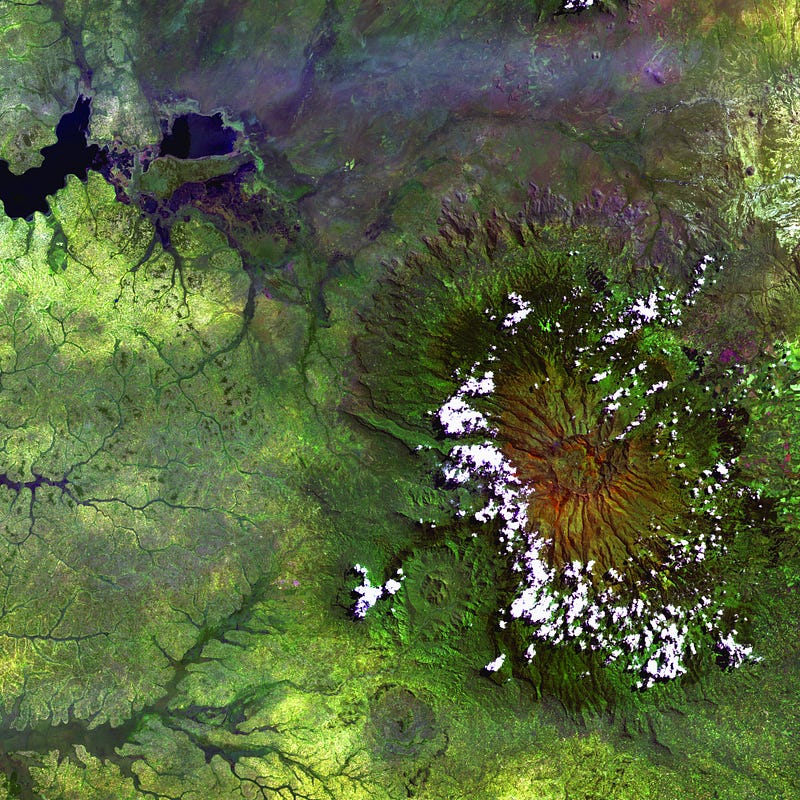
Jupiter’s moon, Io, is an astonishing world of volcanoes, making it the most active place in our solar system. Unlike anything on Earth, Io’s unique features have captivated scientists and space enthusiasts for years. As we delve deeper into its mysteries, we gain valuable insights into the forces shaping celestial bodies throughout the cosmos.
What Sets It Apart:
When we think of volcanoes, we often envision Earth’s molten eruptions. However, Io’s volcanic activity is extraordinary for several essential reasons, offering a captivating realm of scientific discovery:
While Earth’s volcanoes primarily spew molten rock, Io’s erupt sulfur and sulfur dioxide. These compounds create vibrant and colorful eruptions, painting Io’s surface with an otherworldly palette of reds, yellows, and oranges. Studying these exotic volcanic emissions provides valuable insights into the moon’s geological processes.
Io’s surface is ever-changing due to its volcanic activity. Lava flows stretch across vast plains, burying older features beneath fresh layers of molten material. Mountains rise, and craters disappear as volcanic forces reshape the terrain. This dynamic landscape makes Io one of our solar system’s most intriguing and challenging places to study.
Why is Io So Volcanically Active?
Io’s volcanism is a result of a complex interplay of gravitational forces. Its constant flexing and squeezing due to Jupiter’s massive gravity generates tremendous heat within the moon. This heat powers the molten material beneath Io’s surface, causing frequent eruptions. Understanding the mechanics of this volcanic activity provides crucial insights into the geological processes occurring on other celestial bodies.
Io’s volcanoes aren’t your typical mountain-like structures. They often feature volcanic plumes, where material shoots hundreds of miles into space. These plumes are visually spectacular and essential for understanding Io’s geology. By analyzing the composition and behavior of these plumes, scientists can piece together the moon’s volcanic history and gain insights into its subsurface structure.
Ongoing Exploration:
It continues to be a target of fascination for scientists and space agencies. Over the years, several missions have ventured to study this captivating moon.
The Galileo spacecraft provided invaluable data and images during its mission in the 1990s, and the more recent Juno mission has continued to enhance our understanding of Io and its volcanic activity. These missions have given us glimpses of Io’s ever-changing surface and have raised new questions about the moon’s geological history.
Implications for Planetary Science:
Understanding Io’s volcanism has broader implications for planetary science. By studying this extreme environment, scientists gain insights into the geological processes that shape celestial bodies across the solar system.
In the vast expanse of our solar system, Jupiter’s moon Io stands out as a true marvel. Its relentless volcanic activity, fueled by the gravitational forces of its massive parent planet, creates a landscape unlike any other.
As we continue to explore and study this enigmatic world, Io offers a peek into the extraordinary and a deeper understanding of the geological forces that shape celestial bodies throughout the cosmos. It reminds us of the boundless mysteries that await us beyond Earth and the importance of space exploration in expanding our knowledge of the universe.
Please follow me subscribe to my profile for inspiring and entertaining stories