
CORONAVIRUS
This Tiny Country Outperformed the World In COVID–19 Vaccinations
In Serbia, the hairdressers are always open
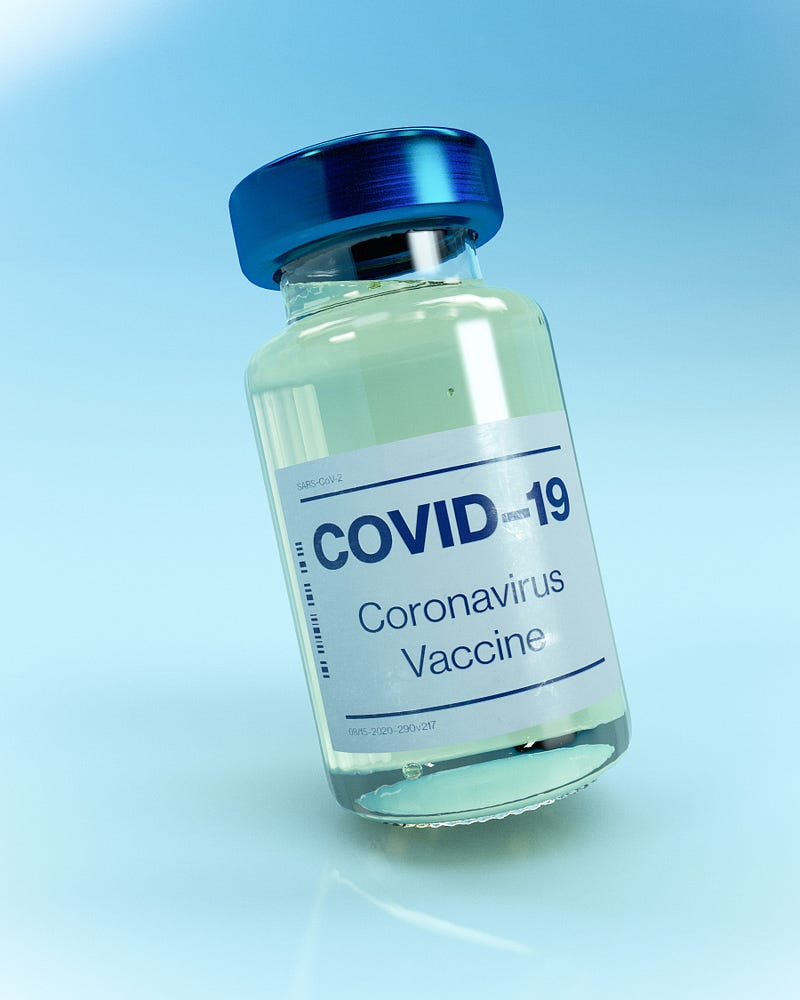
My sister just signed up for a Covid-19 vaccination. But she isn’t sure which one to pick. So she asked me for an opinion as she assumed that I would have more knowledge as I am living in a first-world country.
I don’t, though.
You can’t choose to pick a vaccine in Europe or in the UK. You get what you are given and when you are given.
Serbia is ahead.
Serbia has adopted a mechanism for vaccinations, giving citizens the option to choose which vaccine they want to get and in which location they want to get vaccinated.
Under the state’s mass inoculation drive, the Serbian government has approved four jabs: the one developed by Pfizer-BioNTech, Oxford-Astrazeneca’s, China’s Sinopharm, and Russia’s Sputnik V.
As a result, people can select any of the four jabs. They can also state that they have no preference, hoping to get vaccinated more swiftly.
European solidarity does not exist
In summer 2020 Serbia asked for “aid” from the European Union and received none. Therefore, the Serbian president had to look for help elsewhere. China answered.
In January a plane carrying one million doses of Sinopharm’s COVID-19 vaccine arrived in Serbia, making it the first European country to receive the Chinese vaccine for mass inoculation programmes.
With additional 500,000 doses of the Sinopharm coronavirus vaccine to arrive in Serbia in March.
Serbia is formally seeking EU membership since 2009 and, the country has turned to both China and Russia, which has also promised to supply large quantities of the Russian-developed Sputnik V vaccine.
Serbia will build a facility with the help of Russian experts to produce the Sputnik V vaccines. There have been widespread concerns in the EU about the safety and effectiveness of the Chinese and Russian vaccines, as they have not followed all required trials before getting approval in their countries.
However, Hungary broke ranks with the EU by granting provisional licenses to both Sinopharm and Sputnik V. Russian scientists say Sputnik V appears safe and effective against COVID-19, according to early results of an advanced study published. Serbia could be another example.
The bright future
Currently, most of my friends and family in Serbia have been vaccinated by either Sinopharm or Sputnik. They have not complained of any side effects.
My sisters are currently vacationing in the Serbian mountains as the ski resorts that stayed open throughout the winter.
Unfortunately, the latest news is that there have been significant spikes in coronavirus infection thoroughly the country, yet the nation’s top officials are against imposing a lockdown, a warning that would hurt Serbia’s economy.
Serbia introduced a curfew and a strict lockdown at the start of the outbreak last year but has relaxed anti-virus rules in the past few months. Cafes, restaurants, spas, and various facilities are open and must close at 8 p.m., gatherings are limited and masks are mandatory in closed spaces.
Perhaps Serbia’s relative success on the mass inoculation front might have prompted people to lower their guard regarding virus protection. Perhaps there is a risk that vaccines aren’t efficient enough, as unfortunately one of my friends caught COVID-19 even after being vaccinated. Perhaps the effects of vaccination in Serbia will visible in the next month to two months.
Most experts think it will take at least 70–80% of a population to achieve herd immunity against COVID-19. In order to reach that milestone, Serbia needs 3 million more of its citizens to sign up and get vaccinated.
At this pace, they will get there within a month.
Thank you for reading.


