
This Simple Food Explains Slow Living Better Than Any Self-Help Book
Back to basics
Slow living is about to become a buzzword, it may even be one already for all I know. The word is often accompanied by minimalism, mindfulness, or balanced living.
As with everything else, there are guides and books on how to master this way of living your life. I consider myself a person who aspires to live a slower life.
For some, it sounds boring. For others, it sounds like a dream.
If you know me, you know I enjoy a good novel, and I am not particularly drawn toward self-help books. The thing that for me explains slow living better than anything, is homemade bread.
I’m no baker and I don’t expect you to be.
Hear me out here.
You can’t force it
Have you ever tasted bread that’s raw on the inside?
Before I became decent at baking bread, I screwed up quite a few times and there was this one time in particular when I took the bread out way too soon. It had a bitter taste and wasn’t even close to being done. In the heart of it, the bread was raw. Ew.
It tasted gross.
Homemade bread takes a certain amount of minutes to bake before it’s ready. The magic number for me is 45 minutes at 400 degrees Fahrenheit. I can’t make it go faster, or force it.
The bread takes the time it needs.
Only then will you’ll find that it tastes the best.
For me, it’s when it has that golden brown crust.
Homemade bread is about patience and appreciating that sometimes slower is better. Bread that’s been in the oven for 45 minutes will always taste better than one that’s been in the oven for five or ten minutes.
We don’t have to be bakers to understand that.
It’s natural
Slow living isn’t meant to be some commercialized buzzword.
It’s meant to be natural.
Compared to the overly processed loaves of bread you can buy at the store, homemade bread simply tastes more natural. It’s fresher and I feel better after eating a piece of homemade bread. I can’t even compare my grandmother’s bread to anything at the store.
It’s night and day.
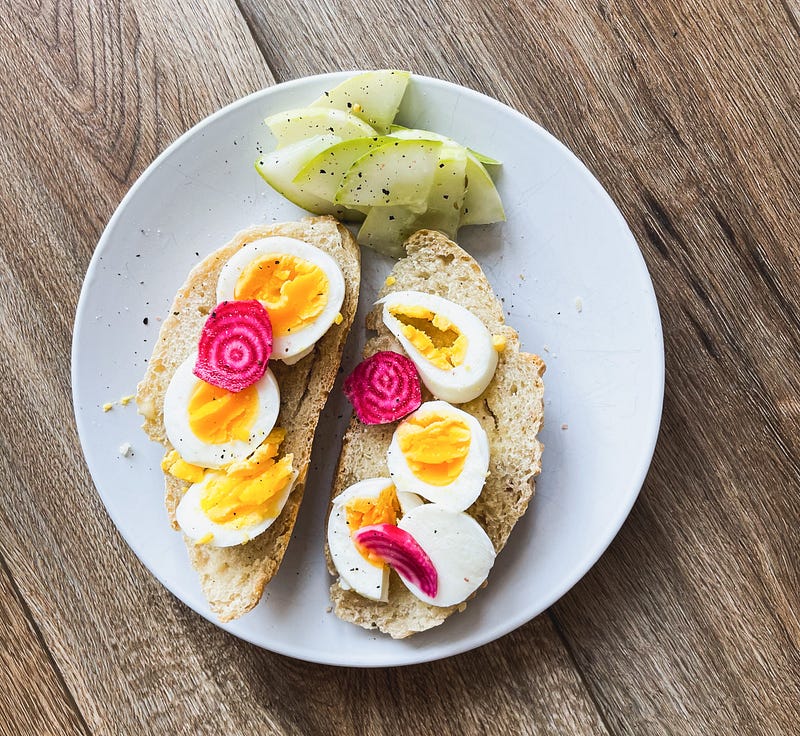
Served with butter and jam, my grandmother’s homemade bread is hands down the best morning meal in the world.
The process of baking the bread itself is also more natural. You use your hands, sometimes a mixer, and knead the dough until it has that perfect consistency. You take your time without rushing. You don’t throw it into some giant mass-producing factory.
And you’re part of the process.
You’re not buying a finished product, you’re creating it.
It’s customized
There must be hundreds of thousands of recipes for bread out there.
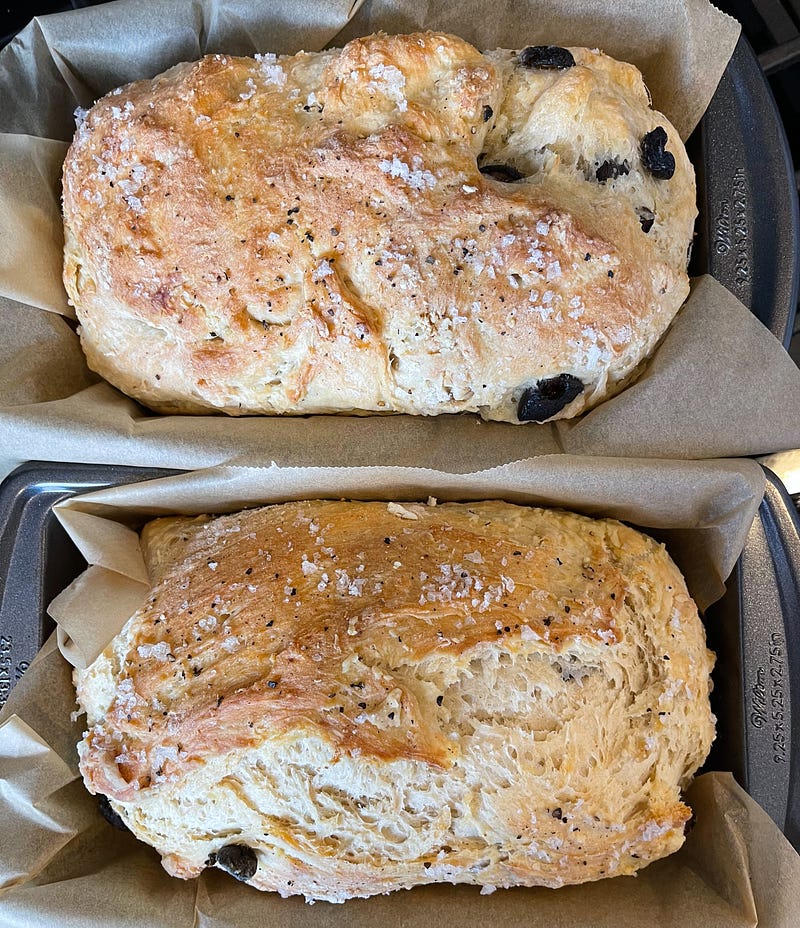
When it comes to homemade bread, I always make it how my family and I prefer it. I don’t put raisins in my bread because I don’t like raisins. I put olives in it. Sometimes oats, nuts, and even quinoa.
Slow living isn’t one-size-fits-all.
Bread isn’t either.
When homemade, it’s customized. Nuts, grains, seeds. Gluten-free or loaded with wheat, what works for you may not work for me and that’s more than ok.
That’s part of the fun.
The pandemic bread
During the pandemic, everyone made sourdough bread.
Why? The act of baking the bread, from start to finish, was a stress reliever in a world of constant chaos. And we made time for it. It was a distraction from everything that went on in the world. When we were bored out of our minds, baking bread was exciting.
It was fun and trendy, and we all needed something unimportant to ease our minds during that time. Bread was that. It was also affordable and simple, and everyone could do it (as long as they had a starter).
I make bread regularly and have been doing so for a long time.
For me, it is a way of practicing slow living in my daily life. I’m doing something I could very easily spend five or six dollars on at the store and have it there and then. Instead, I take the time because I want to.
It isn’t a hobby I’m passionate about, but rather something that takes my mind off other things and I do enjoy the process. I find joy in the simple act of bread-making, especially when it’s time to eat it.
It doesn’t have to be baking, but finding something you enjoy and carving out some time to do so rather than rushing through the day, isn’t a bad thing.
A food movement
The concept of slow living itself actually stems from food.
It started with an Italian, Carlo Petrini, bringing the slow food movement to life. Slow food emphasizes traditional food production techniques as a response to the rise of fast food during the 1980s and 1990s.
In 1989, delegates from 15 countries from around the world signed a manifesto that promoted living a better quality lifestyle, finding pleasure in food and in protecting local traditions.
At the core, it is about living what is the good life, whatever that is for you.
Here’s to slow living and homemade bread.