
This Place is Holy
Take off your hat.
“Take off your hat, Boy,” my father said, “this is a Holy place.”
We were entering the Public Library in downtown Milwaukee.
“It’s a matter of respect for these books and those who wrote them. It’s respect for ideas.”
My Dad was born in 1897 to Irish-Catholic immigrants, and our earliest photo of him is his Roman Catholic high school graduation picture. Its caption reads, “He delights in poking his nose into the pages of learned books, whether scientific, philosophical or literary.”
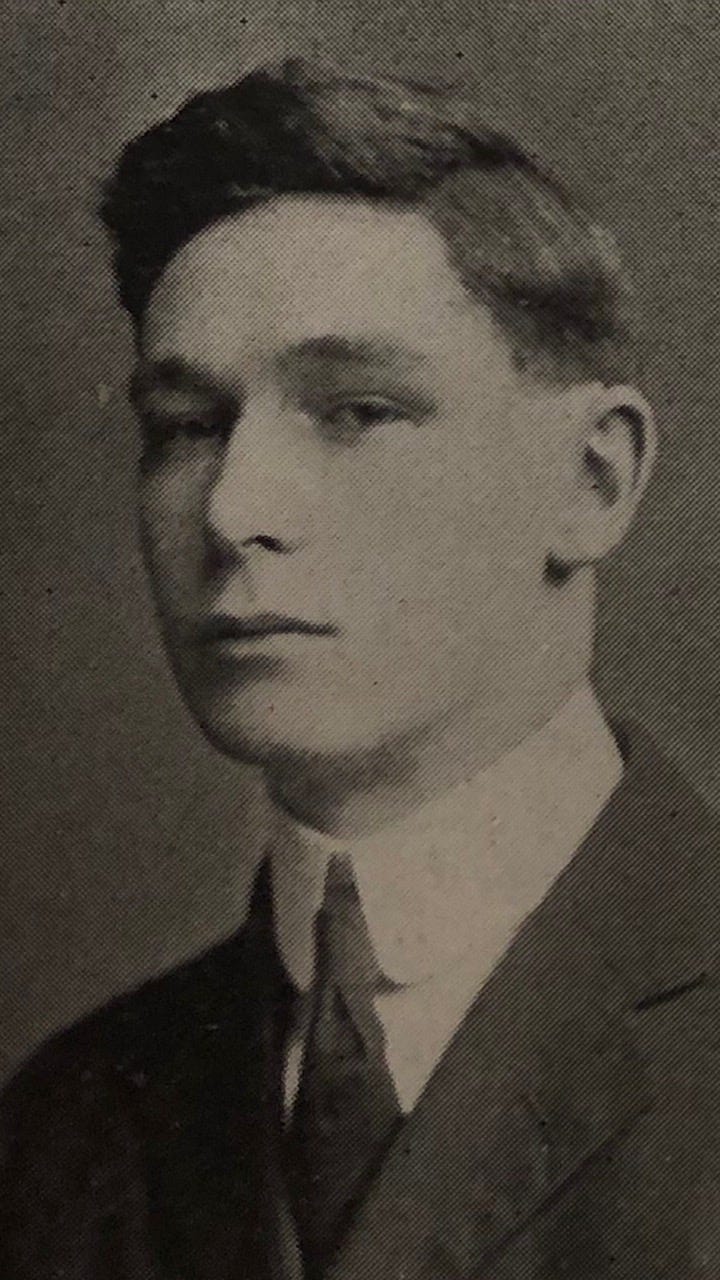
On the wall at the foot of his bed in his father’s house in Philadelphia was a painting of tortured souls burning in hell, and it gave him the incentive to volunteer for the Army at the start of WWI. As far as I know, he never looked back, becoming, euphemistically, a traveling man. He lumberjacked in Maine, rode line on a ranch in Wyoming, shocked wheat in the Dakotas, and played poker in New York under the moniker “Philadelphia Slim.”
At age sixty, he had suffered a heart attack that required a lengthy hospital stay. This was before heart bypass surgery, stents, and statins, so a patient with coronary artery disease was given nitroglycerin pills and put on bed rest for ten days. On day two of his hospitalization, he gave me a list of books to get from the library for him.
Will and Arial Durant’s The Story of Civilization, Volume 1, a real doorstopper, was the first title on his list. By his discharge, he was starting on Volume Three, the massive Caesar and Christ. Within a year, he had read all eleven volumes.
Among my father’s effects after his death two weeks before his eightieth birthday was a gold library card the Milwaukee Library System awarded to those who were patrons for 25 years.
According to my father (contrary to stereotypes), ranch hands and loggers were well-read. Since well-paying positions were hard to come by during the years between the wars, many young men, like my father, who had completed high school, had found the drudgery of factory jobs in smoky cities not to their liking.
As they had no families depending on them, they went where the air was clean and the food simple. When not looking for stray cattle or breaks in barbed wire fencing, the ranch hands in the remote lineshacks could be found reading anything available, from cheap potboilers like Sax Rohmer’s The Insidious Fu Manchu to the more literary Bleak House by Charles Dickens.
One character my dad met on a ranch in Wyoming could recite the entire Rubaiyat of Omar Khayyam, but only after he had had a few drinks. Another had a fondness for classical philosophers and would quote Marcus Aurelius to anyone who would listen.
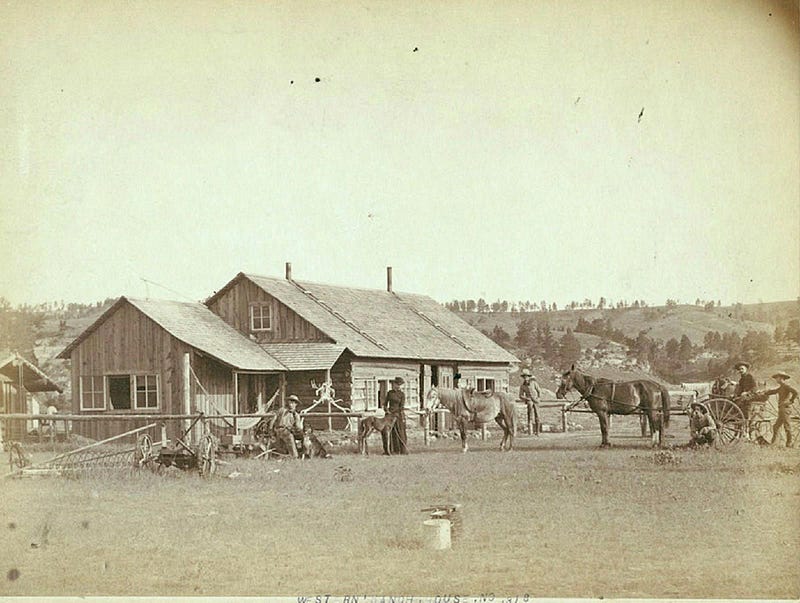
I think those rough comrades are where my father got the aphorisms he passed to his children and grandchildren. One of his favorites was “You can’t step in the same river twice, Boy. The river is always changing, and so are you.” Either he read it while waiting out a storm in a spartan bunkhouse or heard the Heraclitus quote from some cowboy philosopher.
The written word had consumed my father’s life, and he passed that love of reading along to his children. Both of my surviving brothers are avid readers and published writers.
So, today, when I enter a public library, I remove my hat in remembrance of my dad, who taught me to love the written word and understand that the public library, the temple where books reside, is a holy place.

Dedicated to Roz Warren, Writing Coach