
This Person Needs You The Most
Take good care
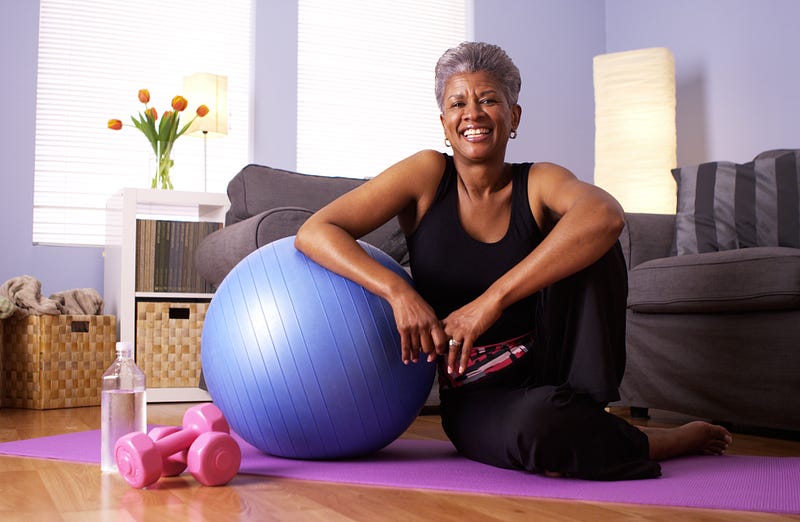
Taking care of yourself is the greatest love you can show to others. Where love requires sacrifice and compromise of time, energy, and resources, it doesn’t require selflessness. Sacrificing self-care and joy should not be on the menu for love.
People often neglect their physical and mental needs to contribute to someone else’s quality of life. Many people make unhealthy sacrifices for their families, employers, or social groups in ways that leave them too depleted for self-care.
Every year people renew, then break, their promise to take better care of themselves. They wake up just early enough to focus on their family’s morning routine or get to work in time to impress their boss.
Entrepreneurs can be the worst culprits of selflessness. Some of the self-employed go years without clocking out. Every minute of life is part of their hustle.
Well-being Shouldn’t Make You Sick
How we think about well-being may be part of the problem. We have over-emphasized or misrepresented the value of relationships. Indeed, humans are social creatures, and survival depends on how we cultivate relationships. However, we are also spiritual beings, and wellness depends on the relationship we develop with ourselves.
We want to do more than survive. We want to live well. Living well is about the relationship we have with ourselves, not just with others.
One organization describes well-being according to positive emotion, engagement, relationships, meaning, and achievement. According to “TheWorldCounts.com,” happiness relies on those five dimensions. I beg to differ. Self-care often requires ignoring or placing significant boundaries on those exact dimensions.
Self-care is the cornerstone of happiness
The five identified dimensions of wellness can be a contradiction to self-care. For example, self-care requires difficult decisions that don’t always lead to immediate positive emotions.
The emotional return on investment in decision-making is often long-term. Ending unhealthy relationships, pursuing higher education, and healing childhood wounds don’t result in immediate positive emotion. The positive effect is a long-term outcome.
Engagement and relationships can become barriers to looking inward. The only voices heard are those of society, family, and echoes of success that take us further away from ourselves. Those voices call us to try harder and give more. They rarely point us in the direction of self-care.
Finding meaning and achievement, when pursued externally, leave little room to honor your life the way you are. There is always more to achieve. If we make life about finding our purpose, we will live in distraction.
Few people come to know a life of stillness, where your purpose finds you. Many people make a purpose out of their pain, often tied to a lack of self-care, instead of utilizing self-care as an invitation for our purpose to find us.
Pouring from the Empty Cup
The more you are required to give to others, the more you must have for yourself. We must take to heart the Norman Kelly phrase, “You can’t pour from an empty cup.”
When we learn how to fill our cup, we become better pourers for serving others. Notice that when a pitcher is near empty, you have to hold the lid on it and turn it almost upside down to get anything out. In human form, that’s our emotions getting turned upside down and minds becoming agitated.
Your serving becomes bitter. You think perfectionism will sweeten it. You fill yourself up with high expectations and demands of others. Distractions become your emotional companion.
Self Centered
Self-care may include temporary distractions, but it is not limited to distraction. Rigid expectations of others give way in the wake of personal fulfillment. Self-care is about focusing life on your needs, especially if you are responsible for others.
I’m not talking about incorporating a yearly vacation charged to your credit card. Then you stress about paying it off for the rest of the year. I’m advocating building a life with yourself at the center — the counter-intuitive life.
I contend that not putting yourself at the center of your life chokes you out.
You think that you have too many responsibilities to put yourself at the center of your life. Work, family, organizations, and religious commitments squeeze you out of taking care of your needs, so you think. I contend that not putting yourself at the center of your life chokes you out. Consider the two pictures below.

Where you take your stand matters
In the photo on the left, the leading woman cannot reach the person at the end of the line unless she takes a walk away from the people at the front of the line. Imagine the guilt that develops from straying too far away. The leading woman is burdened by her relationship to the people waiting for her attention merely based on how she is positioned.
In the photo on the right, the woman is in the center of the people she has to serve. They are all equally accessible to her without her having to shift much. She also doesn’t have to place much demand on the people she serves to get their needs met. No one has to move out of the way for her to serve the next person.
The center of the circle strategy works similarly when we are attending to our psycho-social world. Constantly placing other people in front of you to serve is exhausting. The line is always too long. When you place yourself at the center, you reach people more effectively.
As a slight side note, the analogy also speaks to many problems in the world. A world steeped in oppression forces humans to fight in line for resources. If we restructure the world as an open circle, most people will thrive.
Self-Care
Self-care starts with healing your wounds. Old wounds lead people to believe they don’t deserve self-care. When you spend your life trying to prove your value, you won’t get to self-care. Old wounds show up in your dreams and whisper to you that you are not enough in all your endeavors. They rob you of self-care.
“In joy” life
Take time to connect with yourself in joy. Meet yourself where you are and take your mind on a joyride. I don’t mean in a car. I mean, find the inner joy that makes you feel like a child playing in the sand building sandcastles.
Self-care requires a conscious connection to your body, not just your mind.
Move your body so that you can feel it do something other than transport your brain from one meeting to another or from the car to the couch. Dance and feel your hips sway. Swim and let the water support every ounce of you in love. Climb a mountain and value your strength. Take a yoga class and pay homage to the mind-body connection. Self-care requires a conscious connection to your body, not just your mind.
Self-care is consistent, not random. Random escapes are just mental vacations, not a way of life. Self-care is a way of life. It doesn’t require grand gestures, just conscious ones.
Contagion
Sacrifice is rarely reciprocated. So, people often feel used and unappreciated when they live a life of sacrifice instead of self-care. Self-care, on the other hand, is contagious.
Being needed is not an expression of love. Valuing people when you don’t need them is an expression of love.
When you model self-care, you offer people permission to do the same. People will need you less, and you have to know that’s OK. Being needed is not an expression of love. Valuing people when you don’t need them is an expression of love.
When you cultivate relationships where people mostly take care of their own needs, your relationships will be more fulfilling, not less. Everyone will have more to give to one another.
References
https://theswitchpodcastwithstephanieshaw.podbean.com/e/episode005/
There are five different aspects to the concept of “well-being”. Do you have them all in your life? https://www.theworldcounts.com/happiness/types-of-well-being
https://quotecatalog.com/quote/norm-kelly-you-cant-pour-jpX5oOa