
Here’s the scoop on pee and poop
If we eat a balanced diet we can expect to expel a stool every day. The size, shape, color, and texture of stool all tell an interesting story.
If you felt this article got a little too weird too quick, then you might want to hold onto your hat because more is coming. I’ve also saved the best (or weirdest) for last).
Diet, certain medications, and even vitamins can all change the color of stool. A “normal” stool should be somewhere on the brown spectrum. This is a sure sign that the liver is excreting enough bile. Think of bile as dishwasher detergent helping to clean excess grease from the dishes. In its most basic form, bile is doing the very same thing. It’s helping your stomach deal with all that grease, fat and oil found in certain foods.
It should come as no surprise that nutrition is inextricably tied to digestive health and many of these issues are diet related. Good digestion always starts in the mouth. To help you remember this, think of it this way: the better you chew, the better the poo. That said, if you are experiencing any form of discomfort or pain then it’s important to get yourself checked out by a healthcare professional.
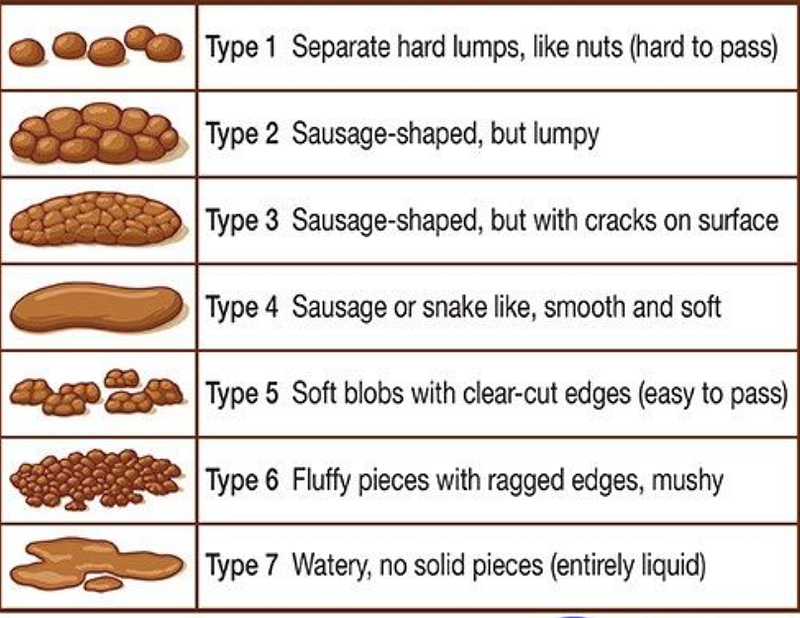
They say a picture is worth a thousand words. With that in mind, the Bristol Stool Chart shows better in pictures what I am attempting to describe in words.
Constipation can be a sign of an underperforming thyroid. If you are on the thyroid merry-go-round check out my link at the bottom of this post. It’s actually not uncommon for the TSH test to give a false reading.
A normal stool shouldn’t stink up the bathroom, and if it has you hanging your head out the bathroom window then it could be a sign of malabsorption. A stool with lots of holes drilled into it could be a sign of a parasitic infection which can rob your body of vital nutrients. Here’s where it get’s interesting.
PEE
The color of your urine offers invaluable clues to whats happening inside. Healthy-looking pee should be the color of straw. If the color is clear then it’s passing through your kidneys a little too quickly. If this happens on a regular basis then it may be prudent to get it checked out.
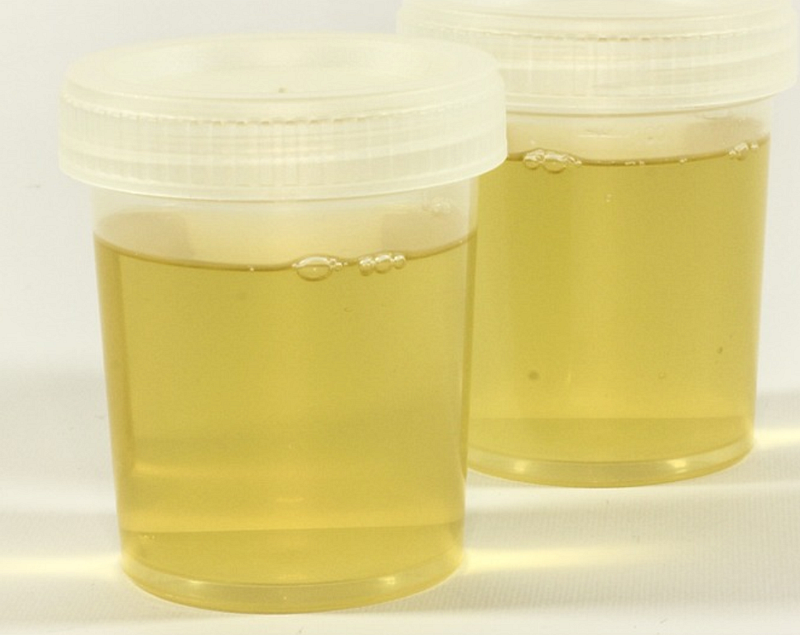
If your pee is dark, it could be a sign you are dehydrated. If it’s dark orange and you are passing pale stools it could be a sign of a malfunctioning liver. If this is you, pay close attention to the whites of your eyes which may also begin to show a yellow tint. The liver and kidneys are organs to help us rid the body of toxins and it’s important to have them working optimally.
If pee is cloudy or murky it could be a sign of kidney stones forming. As a rule, you won’t have to second guess when stones are ready to expel as the pain to the kidney will be excruciating. Kidney stones can sometimes be related to problems with the parathyroid. Although the parathyroid and thyroid are both located in the same area of the body, they perform very different jobs. The primary job of the parathyroid is to regulate the body’s calcium levels.
Again, medications, vitamins, and diet can change the color, but in most cases, if pee is cloudy, murky, and foul smelling it could be a sign that you have a UTI (urinary tract infection). If diabetes is suspected the kidneys will do their best to get rid of excess glucose and the pee may smell sweet. If you really want to put this to the test, you could try tasting the urine rather than doing the finger prick test. Whoa! Hang on, I didn’t say you had to drink it, I said taste it. I digress.

Before people start jumping all over me on this, might I point out that whenever survival expert Bear Grylls drinks his own pee on national T.V he quickly becomes the darling of the day. Diabetes is a serious illness that can lead to all sorts of complications. If this simple technique brings attention to this issue then it lets not be in a rush to dismiss it.
I know to some this may all seem a little gross, but the aim here isn’t to tickle your ears with things that are pleasant to hear, it’s to help you stay well. Once you get over the mental hang-up of checking your pee and poop for clues, it can be a highly effective diagnostic tool. Remember, nobody knows your situation better than you do and it’s okay to play a bigger role in your own recovery.
What did we learn from this?
Pee and poop offer daily clues to our internal health.
Homework: Check out this book
.