
This Japanese Concept Will Change the Way You Perceive
Discover your Omotenashi
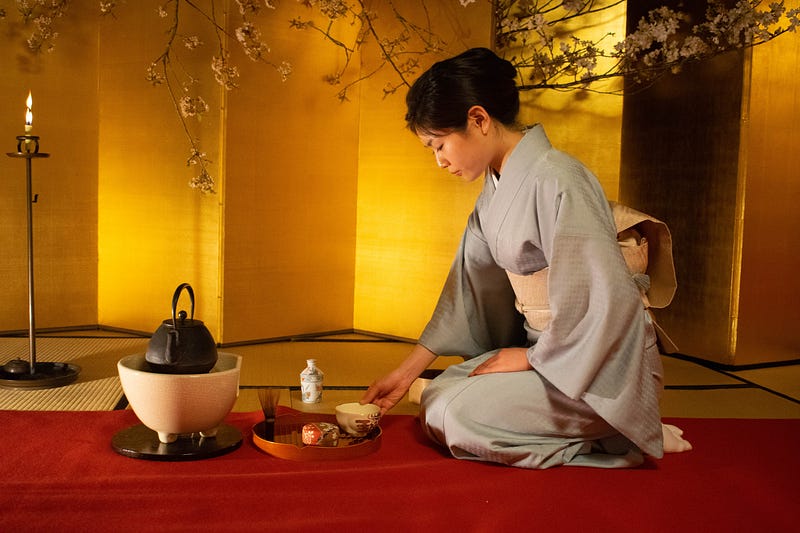
The world has always admired Japanese concepts on quality, mindfulness and hospitality. It’s one thing to read about them and another to experience them first hand.
My association with Japan started in college when I got a chance to do an internship in Tokyo. This came as an opportunity to sneak peek into a whole new world based on different belief systems and values. Soon after graduation, I got a chance to work in two Japanese companies over the next few years. During these times, I noticed work culture and etiquettes vary substantially from the western world.
To start with, it is considered rude to call someone by their first name, business casuals do not exist much, every decision no matter how small goes through a systematic process of approval and although unsaid, you should not leave before your boss leaves and should arrive before your boss shows up.
I even witnessed that one of the managers distributed his annual bonus among his team members to extend his gratitude and keep the team motivated. In one of the meetings, my manager asked me to show him the draft of the meeting minutes even before the meeting had started. I was surprised and confused at times with such expectations and took everything with a pinch of salt. But as time passed, I learnt the ways to anticipate, appreciate and being more productive. It truly gave me a whole new perspective the way I used to see, perceive and process things.

But the real shift took place when I got the opportunity to visit and work in Tokyo on different occasions during my employment with Japanese companies. I realised what I witnessed back home was just part of it and the roots go beyond even in day-to-day life.
After landing at Narita International Airport, I was surprised to find my bag next to the carousel. Instead of having to drag your bags out from the carousel at the airport, the bags were pulled off and neatly arranged for customers. This not only was convenient but was a sign of respect towards a passenger who has just touched down and had the first experience of Japanese hospitality.
As I approached a taxi, the door of the car opened itself before I could reach for it. I later realised that the cab driver controls the door while sitting in his seat by anticipating passenger’s need.
While wandering on the famous Ginza street, a shopkeeper at a book store created a customised bag for me because the book I bought was not suitable to be carried out in a paper bag on a rainy day. I was overwhelmed and thankful for the kind gesture from a young woman who was bowing her head and shared the gratitude she felt for visiting her shop.
On another day, I was perplexed by the Japanese signboards and announcements on a train station. Soon, I was approached by a Japanese traveller who was returning from his busy day at work but went above and beyond to help me find my train which was 2 platforms farther than his boarding platform. Yet she came all the way to drop me at the right platform so I don’t miss mine or board the wrong train.
Majority of restaurants had a menu with pictures of the dishes alongside so that making a choice would be easier and there were no surprises. Moreover, your attendant will not come to take your order as soon as you take your seat but will always have their eyes fixed on you to anticipate his presence before you need him. It was no less than a genie out of a bottle.
Everything started making sense when I learnt that I experienced Omotenashi. We have all heard the concept of the “Customer is King” but in Japan, it is “okyakusama wa kamisama desu” translated to “Customer is God”. Omotenashi is many steps beyond all this. There is no particular definition to explain it, yet everyone develops their own in the way they experience it.
Omote means public face (the image you wish to present to an outsider) and nashi means nothing. So Omotenashi is giving wholehearted service while anticipating the needs and wanting nothing in return.

I was so inspired by this that after returning, I tried to imbibe these practices in my life and followed the below principles to deliver my Omotenashi
- Don’t just listen, anticipate and act before they ask for it.
- Be always there for your customer.
- Provide a human touch by building a personal connection and cherish every moment with your customer and.
- Radiate pride of your role and take this pride everywhere.
The best way to find yourself is to lose yourself in the service of others — Mahatama Gandhi.