
This Is Your Brain on Exercise
Cognitive and mood benefits of exercise, plus strategies for success.
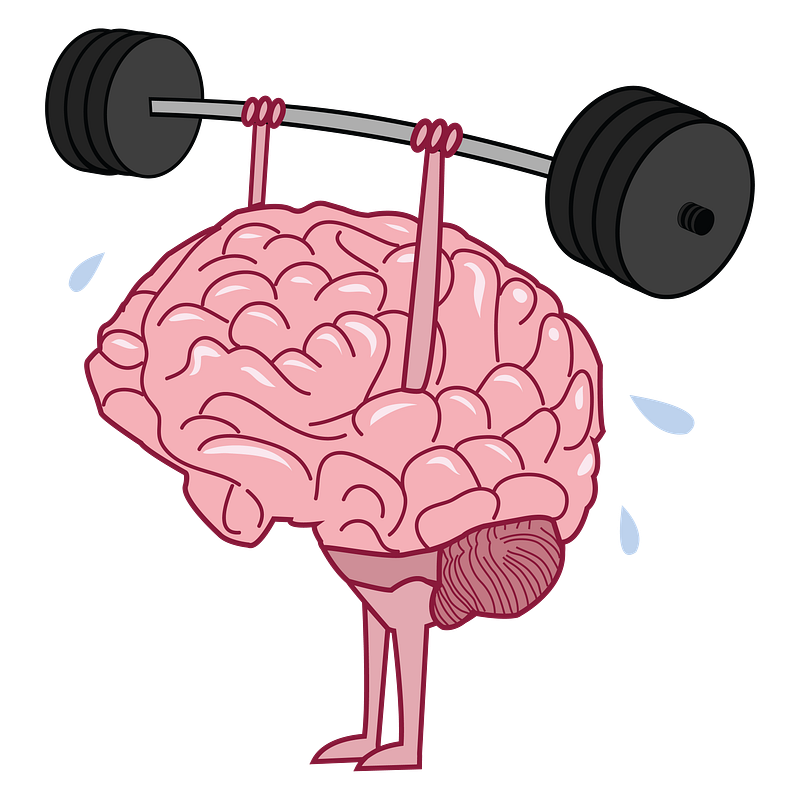
“This is your brain on drugs. Any questions?”
Such a powerful slogan from the anti-narcotics campaign that debuted in the late 1980's. There were different versions of the public service announcement, but they all involved an egg and a frying pan. A vivid image and message that sticks with me to this day.
Drugs and exercise have at least one thing in common — they both have a significant effect on our brain.
As a psychologist, if I was told I only had one word to help someone who was struggling with their mood, it would be “exercise.” Physical activity is vital for brain health. We live longer, feel better, and our brains function more efficiently with exercise.
Exercise Fights Depression
There are numerous studies on the benefits of physical activity in treating depression, including this recent one published in JAMA Psychiatry. The authors, Choi et al (2019), concluded that “enhancing physical activity is an effective prevention strategy for depression.” If you want to feel better, you must move your body.
With exercise, the body releases endorphins which improves your mood. This in turn increases your motivation and energy to engage in other enjoyable activities (hanging out with friends, journaling, meditating) which further enhances mood.
All of these behavioral changes work together to fight depression. Physical activity starts a virtuous cycle of health.
Physical Activity Promotes Better Sleep
Daily exercise helps you fall asleep easier and improves sleep quality.
Restorative sleep is crucial to our health. During sleep, the body repairs muscles and tissues, releases human growth hormone, and replenishes energy stores for the next day. When you sleep well, you feel better both physically and emotionally. A great starting point for improving sleep is exercise.
Exercising outdoors during the morning hours is particularly beneficial as natural light plays an important role in the sleep-wake cycle.
Exercise Improves Learning
A systematic review of current literature found that young adults who participated in moderate to vigorous aerobic exercise shortly before a learning task displayed better encoding and retention of information. A single boost of aerobic exercise (in one study, as little as five minutes), followed by a brief recovery, was beneficial in improving learning.
Physical Activity Decreases Risk of Dementia
Your lifetime risk of general dementia is cut in half if you participate in aerobic physical activity. If you are not currently an active person, studies have found that you can improve brain power in as little as four months by adding exercise.
“I’m not telling you it is going to be easy. I’m telling you it is going to be worth it.”
Art Williams

Start Small
The health benefits of exercise are well established, so why do people struggle to remain active? Often the problems that would improve with exercise, such as stress, depression, and fatigue, are the very factors that make it hard to be active.
When we are depressed, we struggle with low energy and motivation. We feel tired and even the simplest tasks are difficult, like getting out of bed and showering. The thought of going for a walk or engaging in other forms of exercise seems like an insurmountable hurdle.
The first step is often the hardest, so it is helpful to start small.
Dr. B.J. Fogg, a researcher at Stanford and author of Tiny Habits: The Small Changes that Change Everything, developed a program for altering habits. Fogg suggests setting tiny goals for behavior change as it is easier to be successful with little behavior modifications.
This approach is especially helpful if you are struggling with depression. Start small by doing a five minute walk around your house or neighborhood. Set a tiny goal of fifty extra steps a day and build from there. Other ideas include ten jumping jacks, one push-up or two lunges every hour.
You get an immediate mood boost from exercise, so any physical activity will be quickly reinforcing which helps to maintain the behavior. You might even find that you have the energy to do more activity than you initially thought.
“Take care of your body. It’s the only place you have to live.”
Jim Rohn
Stay Motivated
Despite all the advantages of exercising, maintaining a physical activity routine can be challenging. Here are a few ways to stay motivated.
Extrinsic reinforcement
External rewards are powerful motivators for behavior. If you need some extra incentive for maintaining an exercise routine, consider the free Evidation app.
After syncing your exercise tracker (FitBit, Apple watch, phone, etc.) with the app, you are rewarded with points for a number of health promoting behaviors including daily steps, sleep, and reading health related articles. When you reach 10,000 points, you can exchange it for a cash reward.
Challenge your excuses
If you find yourself using the excuse that you don’t have enough time for physical activity, try rephrasing the sentence.
Instead of “I don’t have the time to exercise”, say, “It is not a priority to exercise.” Is that how you feel? Probably not.
A simple change of words gives the sentence a noticeably different feel, and may provide some added motivation.
Exercise with music
We can multiply the mood enhancing benefits of exercise by adding music to our workout routine.
Research indicates that listening to our preferred music stimulates the release of dopamine in the brain, a neurotransmitter that plays a role in motivation and reward. A surge of dopamine makes us feel better, and increases the likelihood we will continue exercising.
Summary
The health benefits of exercise are vast. From a behavioral health perspective, daily physical activity is one of the most powerful behavioral changes you can make for your mood.
Exercise is accessible to most by simply stepping outside the front door and going for a walk. It can be instantly gratifying, and you experience both short and long term benefits including improved mood, sleep, learning, and brain functioning.
This is your brain on exercise. Any questions?

You just read another post from In Fitness And In Health: a health and fitness community dedicated to sharing knowledge, lessons, and suggestions to living happier, healthier lives.
If you’d like to join our newsletter and receive more stories like this one, tap here.