
This is Why You Should Ditch Plastic
The excess plastic waste is polluting our oceans, but there is something you can do to mitigate it
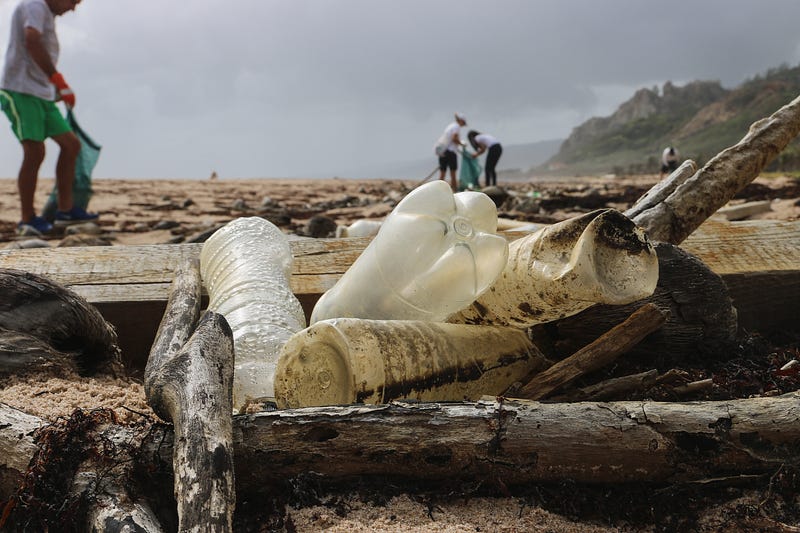
If you look around our environment, you will see a lot of junk produced by humans. From food waste to paper and plastic, it is all around us. We have so much in our wasteland that it is starting to make an adverse impact on our environment.
As consumers, we overuse a lot of plastic, and where do you think all this plastic goes?
“After a single use, 95% of plastic packaging material value ends up in landfills, as roadside litter, or in the ocean.”
You’ve probably heard of air pollution, but have you ever heard of “plastic ocean pollution?” As the name suggests, it is a pollution of the ocean caused by plastic waste. That means, every time you drink from plastic or aluminum containers, you cause harm to marine life in the ocean.
According to the 2015 study, the ocean contains 150 million tons of plastic, and at the rate of garbage disposal, it is equivalent to one truckload per minute.
“A 2016 Ellen MacArthur Foundation study predicted oceans will contain more plastic than fish by 2050 if no actions are taken to reduce the flow of plastics into waterways.”
You can recycle paper but not plastic. From all the plastic people consume, only 14% can be recycled. So knowing these facts, would you want to continue polluting your environment?
On top of that, the overuse of plastic costs 13 billion dollars annually to cover the cost of marine ecosystem damage.
How plastic affects marine life
Plastic waste affects marine life in two different ways. One way is that little particles from the plastic can get lodged in the digestive organs of marine animals, such as fish and sea lions. Another way is that plastic absorbs toxins in the water, after which it can spread through the marine food web.
You can make a difference and change the course
If every human makes a conscious effort to reduce plastic waste, then, collectively we can help to make our planet a better place. For example, one way you can do that is by simply changing your daily shopping habits.
Here are some things you can do to reduce pollution:
1) Buy beverages in glass or paper cartons as opposed to plastic tubs and aluminum cans
2) Drink from glass cups instead of disposable plastic and paper cups
3) Shop with reusable store-bought shopping bags instead of disposable ones
4) Minimize the purchase of small disposable juice cartons
5) Avoid plastic straws and stirrers
6) Use paper plates and cups instead of plastic when you set up a table for a party
By taking these little steps and saying “no” to plastic, you will help mitigate the adverse effects of ocean pollution and make the planet a safer place to live.


