
This Is Why The Greatest Artists Bled Art To Death
They dared to plunge into their darkness and be vulnerable
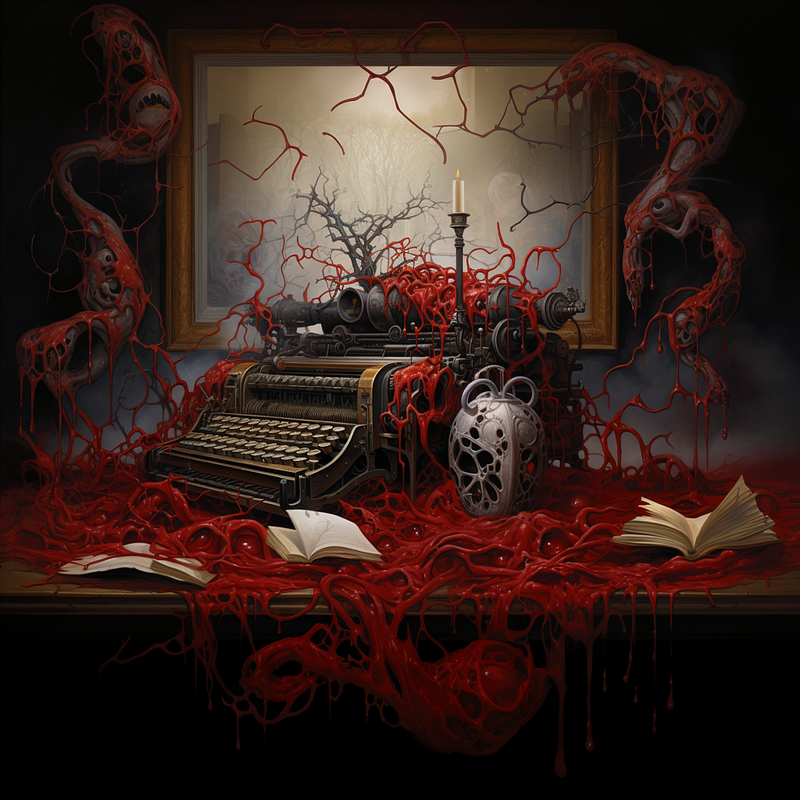
Their blood drained, their veins withered. Their hearts, removed from the chest cavity, still beating upon the canvas, the page, the pentagram, to the compass of each stroke, of each word written, of each note played.
Van Gogh, Pollock, Modigliani, Kahlo, Plath, Hemingway, Woolf, Allan Poe, Bukowski, Sexton, Beethoven, Tchaikovsky, Morrison, Joplin —and the list goes on.
They had — at least — two elements in common.
- They were profoundly talented
- They were profoundly tormented
What Made Them So Great?
In their shadows, art breathed
These artists, haunted by turmoil, spoke in notes, strokes and verses. Their pain was a silent undercurrent in every creation.
We feel their torment, in the melancholy of a melody, the longing in a line of poetry, the despair hidden in a brushstroke.
Emotional Intensity
These artists poured their heartaches and battles into their art. Their deep emotions made their creations raw and gripping, touching the souls of many.
Their art was their way to face and share their inner turmoil.
Relentless Devotion
Art wasn’t just a part of their lives; it was their life in its entirety. Every moment, every breath was infused with their artistry.
The story goes that da Vinci, often secluded, spoke to his paintings as if they were living beings. His ‘Mona Lisa’, with her enigmatic smile, is perhaps a mirror of his own hidden emotions, a serene facade of depths unseen.
Vulnerability and Authenticity
They laid their souls bare, and we saw our own reflections.
In Van Gogh’s Starry Night, — which he painted in an asylum — in Cobain’s raw chords, there’s a piece of us. Our own angst reflected.
Their vulnerability is not just art; it’s a shared human experience. Their willingness to be vulnerable made them authentic in their artistic expression and allowed them to connect with audiences on a profound level.
Innovation and Originality
From their struggles, they crafted new worlds.
Breaking rules, defying norms, they weren’t just artists; they were revolutionaries of the human spirit.
They pushed the boundaries of their respective mediums and genres, challenging conventional norms and creating groundbreaking work.
Sylvia Plath, with her confessional style of poetry, turned her inner turmoil into hauntingly beautiful verses. Her poem ‘Lady Lazarus’ reads like a resurrection of her own spirit.
“And I a smiling woman.
I am only thirty.
And like the cat I have nine times to die”
— ‘Lady Lazarus’, Sylvia Plath
Outsider Perspective
Some of these artists felt like outsiders or misfits in society, which gave them a unique perspective and allowed them to see the world in unconventional ways.
From this vantage point, they painted realities unseen by others, wrote emotions nobody had put in paper before, and composed the unthinkable.
In their solitude, they found a universal language.
Their art, an outlet for their own struggles, spoke to those of us who felt misunderstood, giving voice to our silent battles.
Drive and Passion
These artists were driven by an intense passion for their craft. That’s what kept them alive — for as short a time as it might have been.
Consider Beethoven, who composed some of his most profound work while losing his hearing. During the premiere of his 9th Symphony, in 1824, he had to be turned around to see the euphoric applause, because he couldn’t hear it.
Iconic Status
Over time, the struggles and tragic stories of these artists have contributed to their iconic status.
There’s a certain morbid fascination we often have, and personal tragedies tend to captivate us.
So, If I were to sum up, in a paragraph, what exactly made them great, this would be it:
They were into a lot of pain, they used art as a cathartic channel to their angst, they exposed their vulnerabilties, they didn’t hide their wounds, they did something different, they challenged the status quo, they perceived the world from the outside, they passionately fell for their craft, they bled and died right in front of us.
Finding Solace in Art, Letting Pain Be
As I departed my abode and submerged into the rapid river of footsteps, I stumbled upon an old, decrepit typewriter discarded on a street corner.
Its keys, worn out, bore the weight of countless forgotten words.
There lie the fossil of an extincted passion.
Ordinary and decay blend seamlessly into an extraordinary essence. Now its ruins were evidence of a past splendor.
How many restless souls had it soothed?
I could sense their presence.
In a day like any other, I was the witness of their refuge, their battleground, and their salvation.
Many of the artists mentioned did indeed find solace and catharsis in their art.
Van Gogh’s art was a way for him to channel his inner turmoil and emotional intensity. He famously stated, “I put my heart and my soul into my work, and have lost my mind in the process”.
Through their art, Kafka found a way to grapple with the absurdity of existence, the Brontë sisters found empowerment and a way to escape the constraints imposed on women in the 19th century, and Frida Kahlo coped with identity issues and trauma — as might have been evidenced by her self-portraits, like ‘The Two Fridas’.
Artists like them often turn inward, confronting their pain and using it as a catalyst for creativity.
This introspection can be incredibly challenging; it requires facing one’s darkest thoughts and emotions head-on. Yet, in doing so, they found a powerful means of expression.
Their art became a lens through which they, and their audience, could better understand and cope with suffering.
Not everyone chooses or is able to face their pain in this way. For various reasons, including personal disposition, cultural influences, or lack of support, some people may seek to avoid their pain altogether.
This can be through distractions, denial, or other means of escape. While this might provide temporary relief, it often doesn’t address the underlying issues.
Whether through art, conversation, reflection, or other forms of expression and healing, engaging with our pain can lead to growth, understanding, and sometimes, remarkable creativity.
Daring to face our demons can be challenging, and you might want to seek emotional support along the way. Not daring to face them might make the pain appear less intense initially, but it will make it eternal and incapacitating in the long run.
It’s about striking a balance. Not avoiding the pain. Not indulging 24/7 in it. Acknowledge it and make room for it. Let it be and fade away. And be, and fade away.
There’s no need to show anyone how composed you look. Let your pain guide you, it knows better.
This is where I’ve fallen short.
That’s why I’m not that good a writer. No, I don’t need more pain in my life. I just need to suffer better. To let my words bleed.
I’d rather suffer intensely at intervals, and maybe get something good out of it, than numb my torment away for eternity and lose touch with everything that makes me me.
But that’s something I’m discovering as I write this piece.
Thanks for reading! Have a great day…